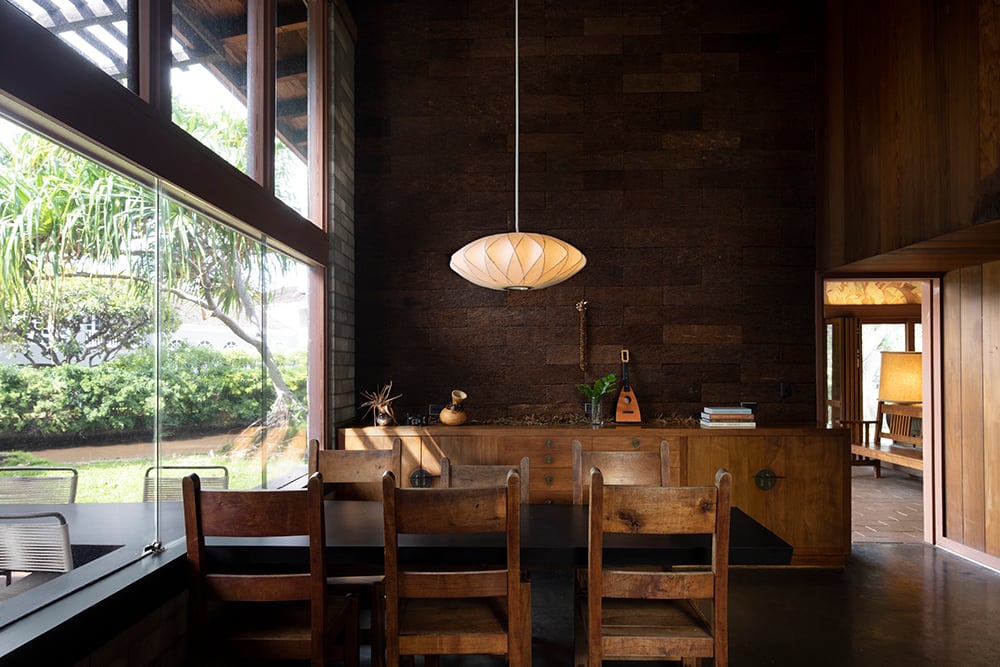
Museums, universities and nonprofits used to be a safe haven for historic homes, a way to preserve them for public use. But now, three residences entrusted to local institutions are in danger of being sold.
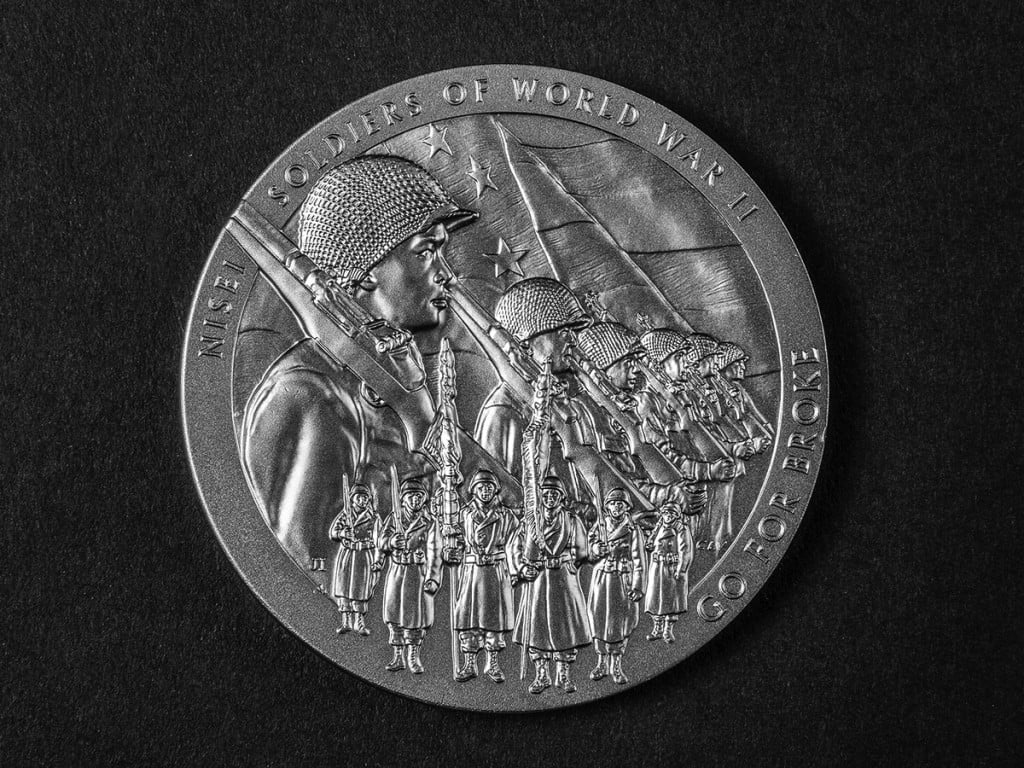
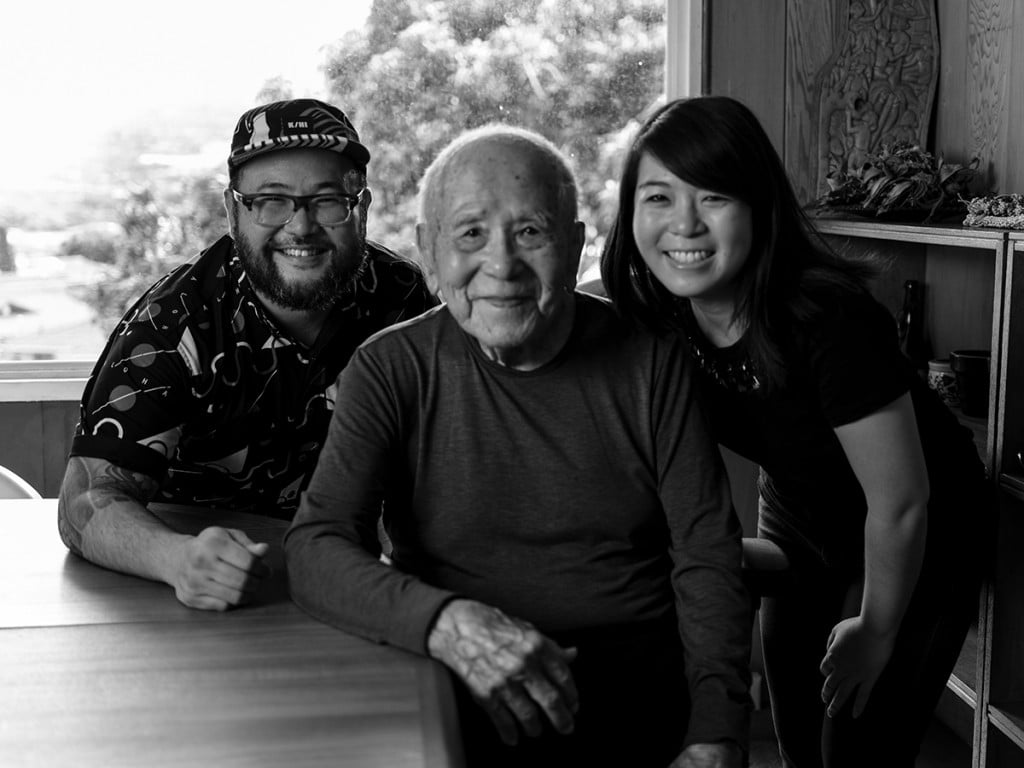
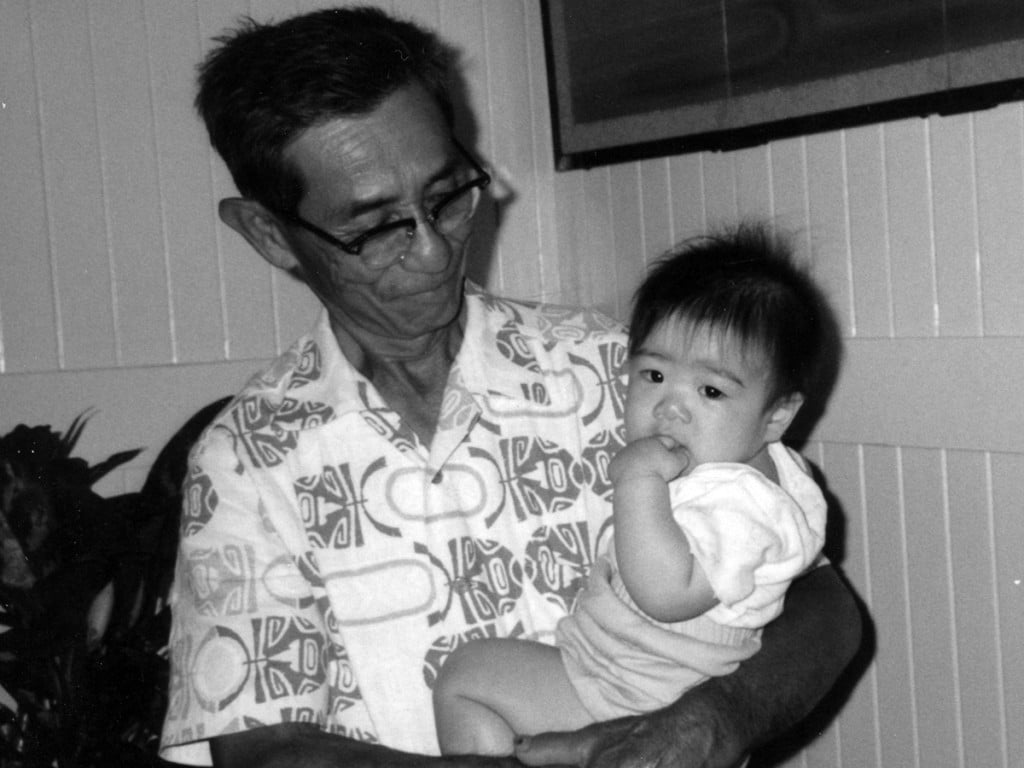
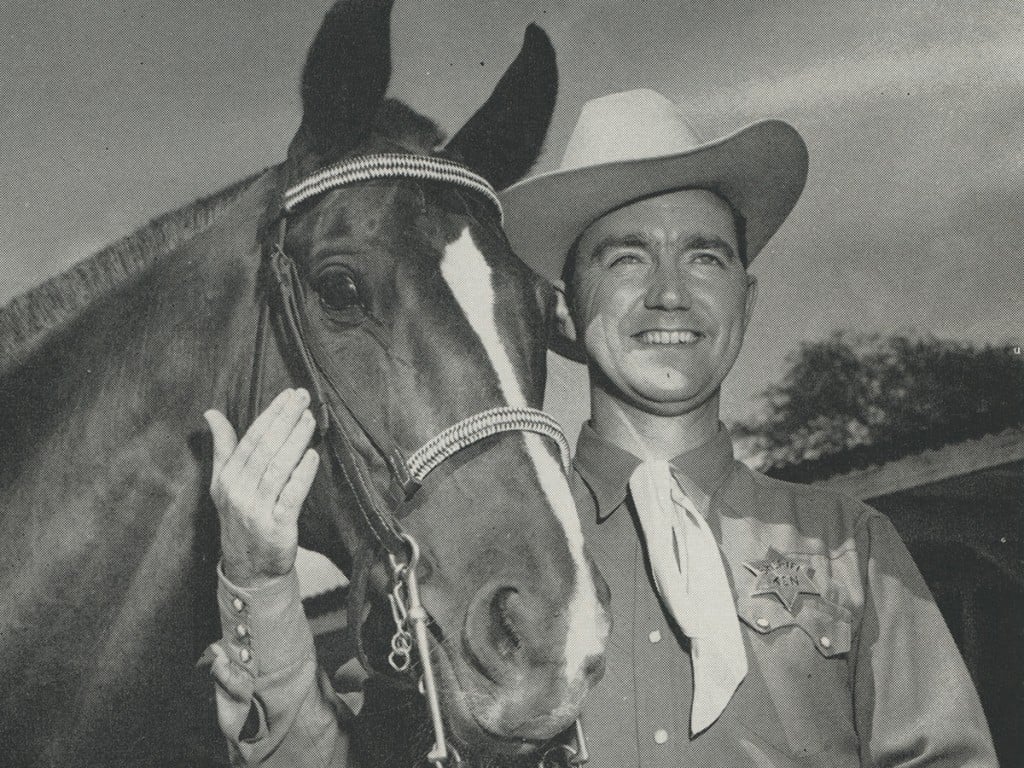
They’re our everyday heroes in plain clothes—the revered second-generation Japanese American veterans of World War II. Fewer than 250 Hawai‘i nisei vets are known to be alive today in Hawai‘i. And the war is just part of their life stories.
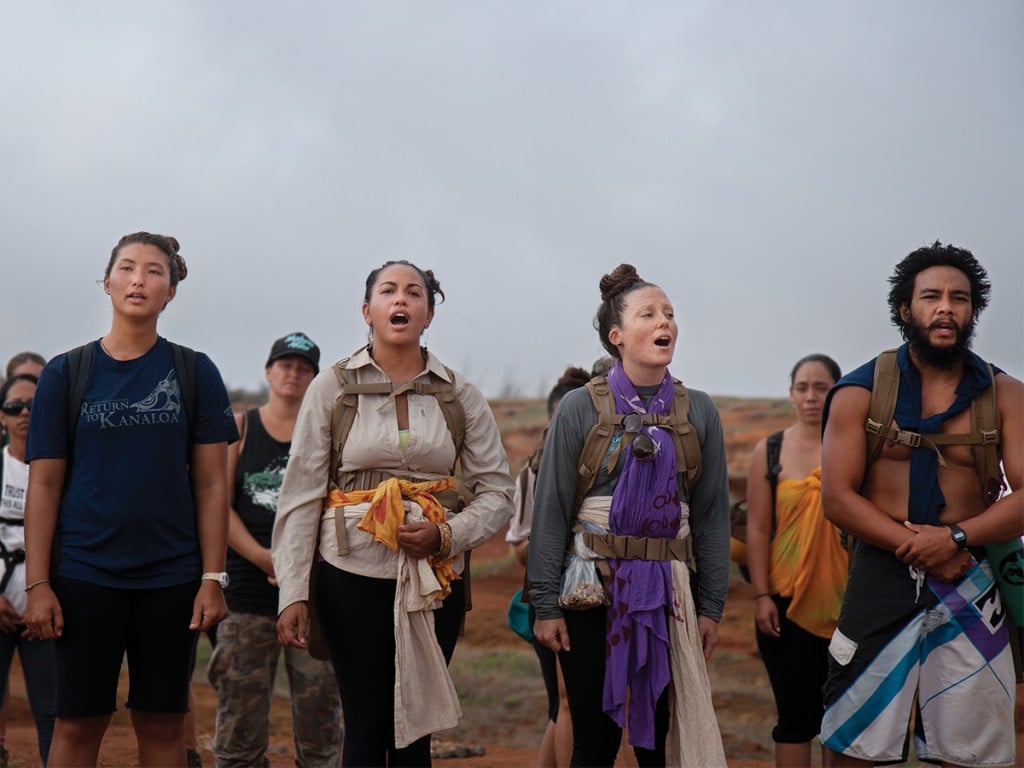
It’s the largest movement since Native Hawaiians rallied to fight the military bombing of Kaho‘olawe in the 1970s. Now the visibility of the conflict over Maunakea has rallied the lāhui (nation) of Hawaiians to stand up against projects across the state.
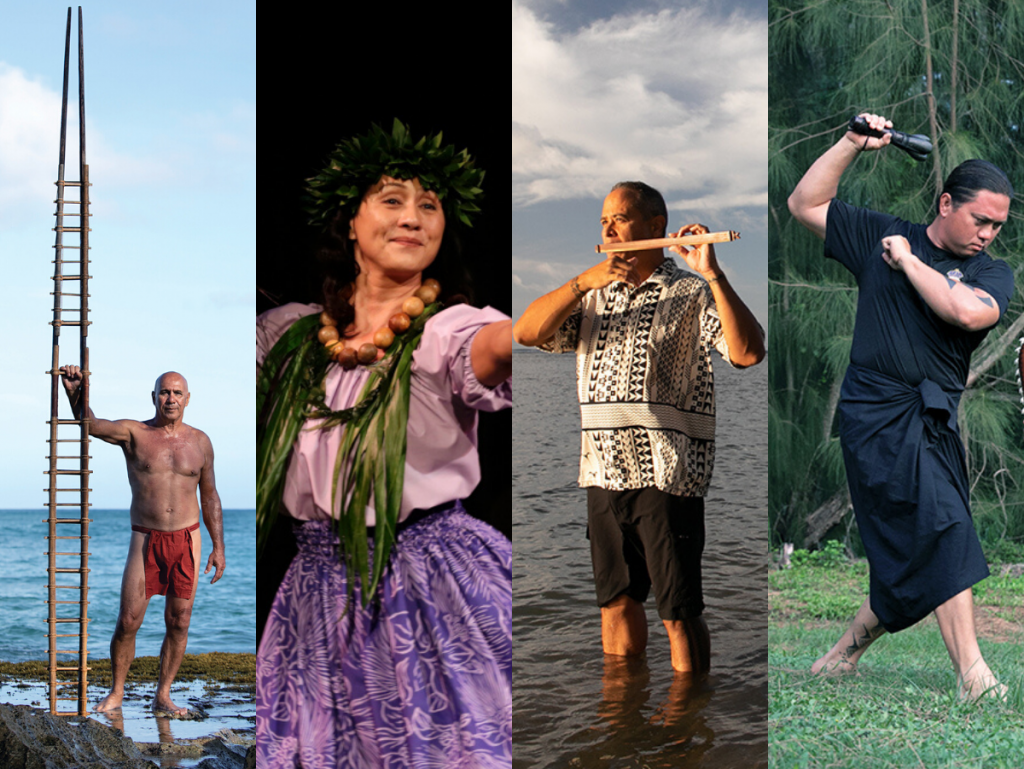
While hula and lei making thrive, other ancient Hawaiian traditions are disappearing. Some survive only through the work of a few passionate teachers. The Office of Hawaiian Affairs hopes to bolster these cultural practices with a soon-to-be-released directory of artists, instructors and experts. Meet four of those practitioners who are fighting to keep their ancient arts alive.