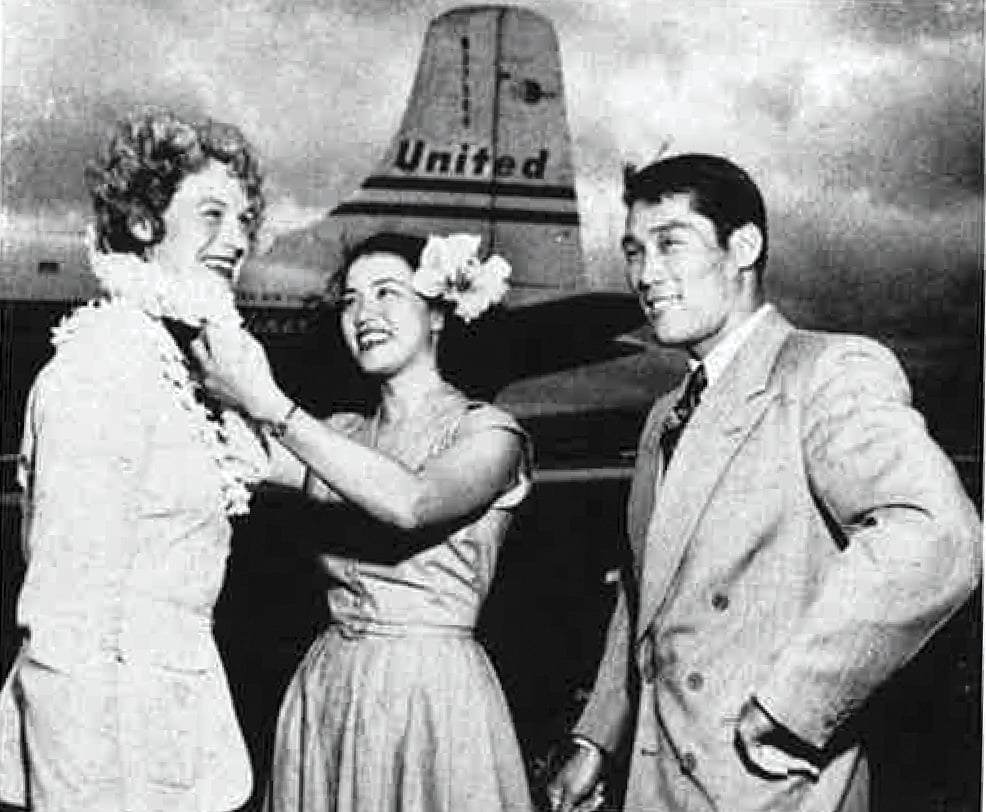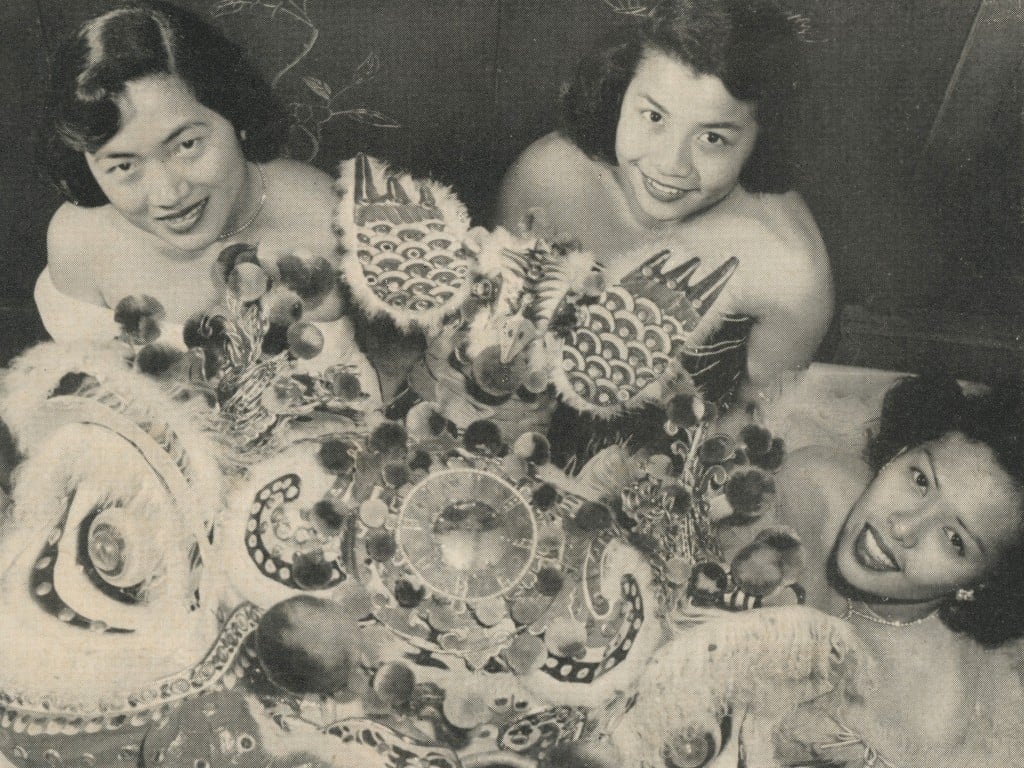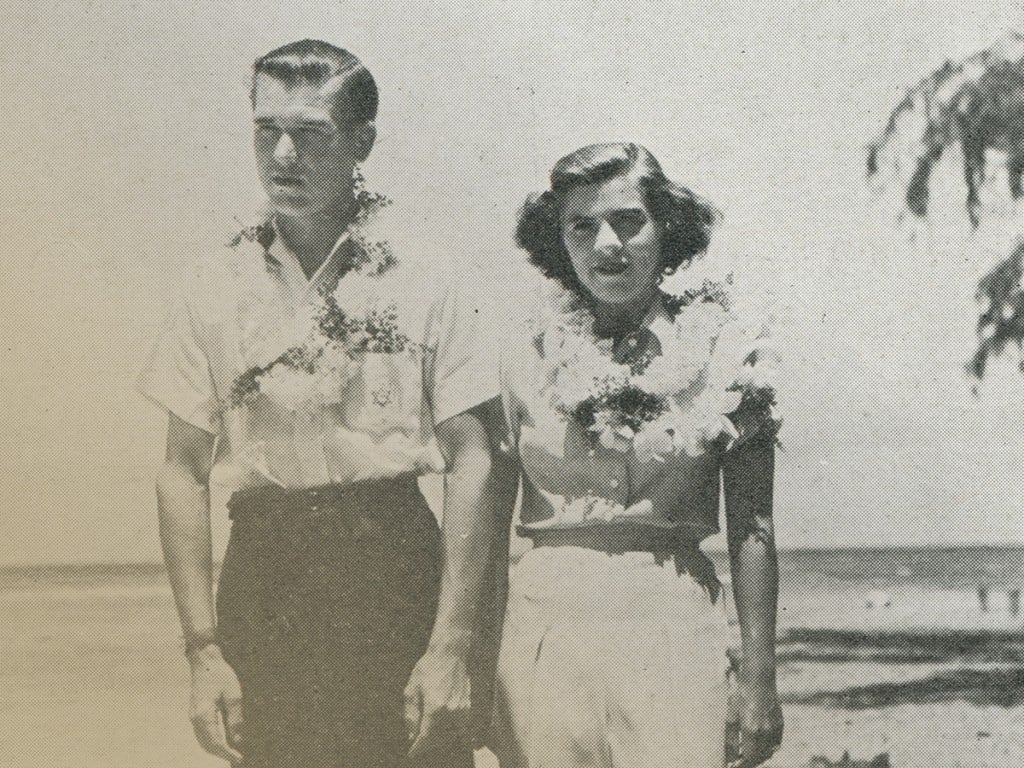
O‘ahu in 1955: HONOLULU Looks Back at the 6th Narcissus Festival During Chinese New Year
“One of Hawai‘i’s most colorful events.”
Departments
More
Connect With Us
“One of Hawai‘i’s most colorful events.”
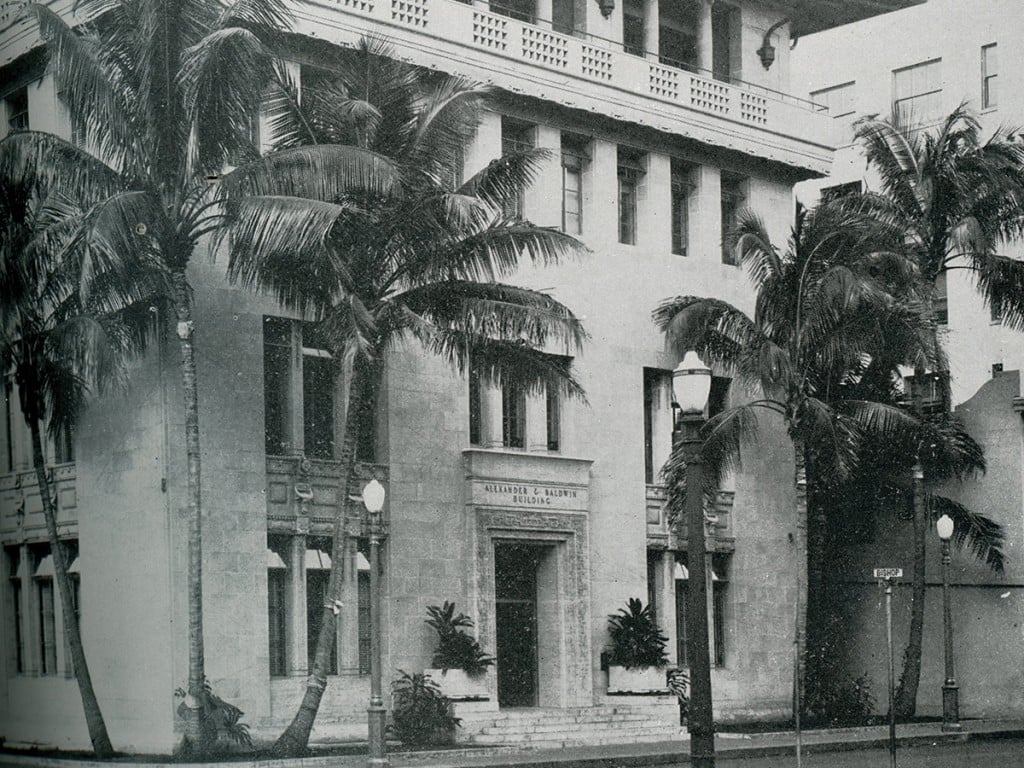
In 1930 the four-story building was one of the tallest on the street.
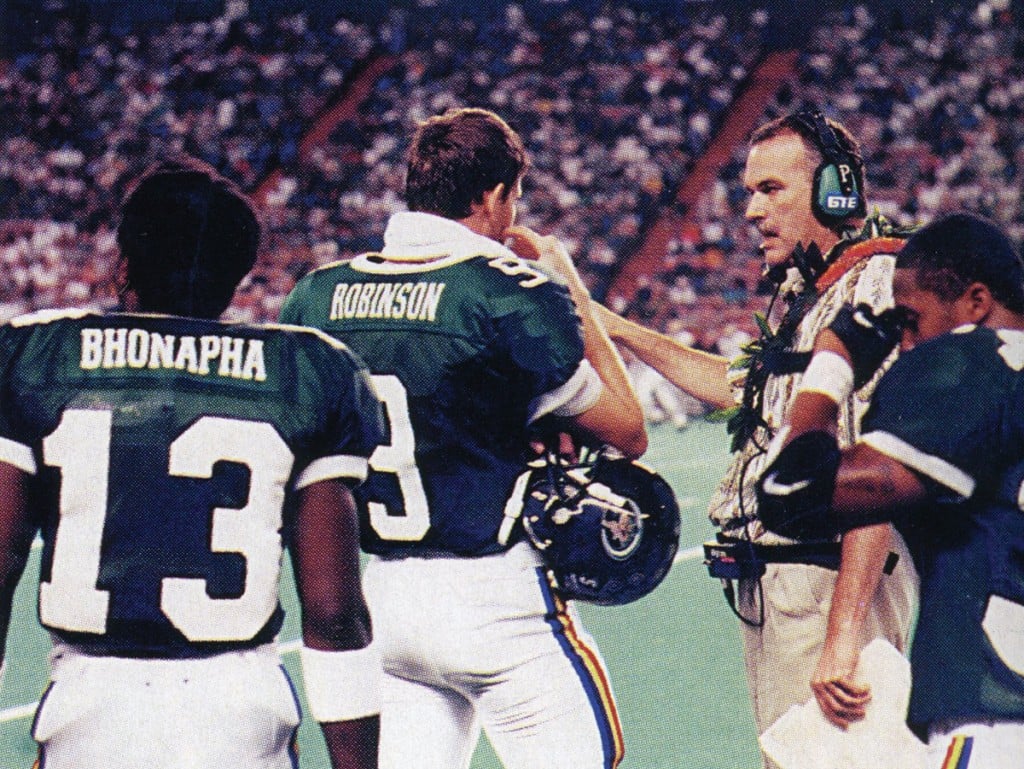
He turned down a job with the NFL’s San Diego Chargers to head up a UH team.
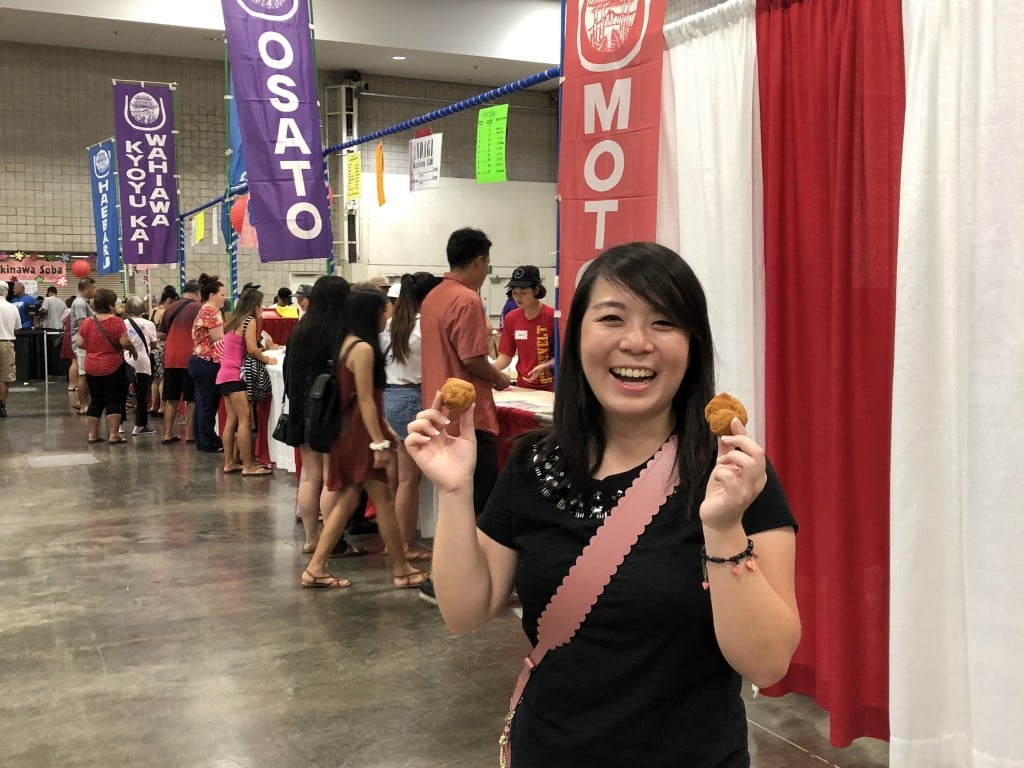
Shot put, grass skirts, Korean pancakes and andagi.
Goodbye 2010s. Hello to the next roaring ’20s!
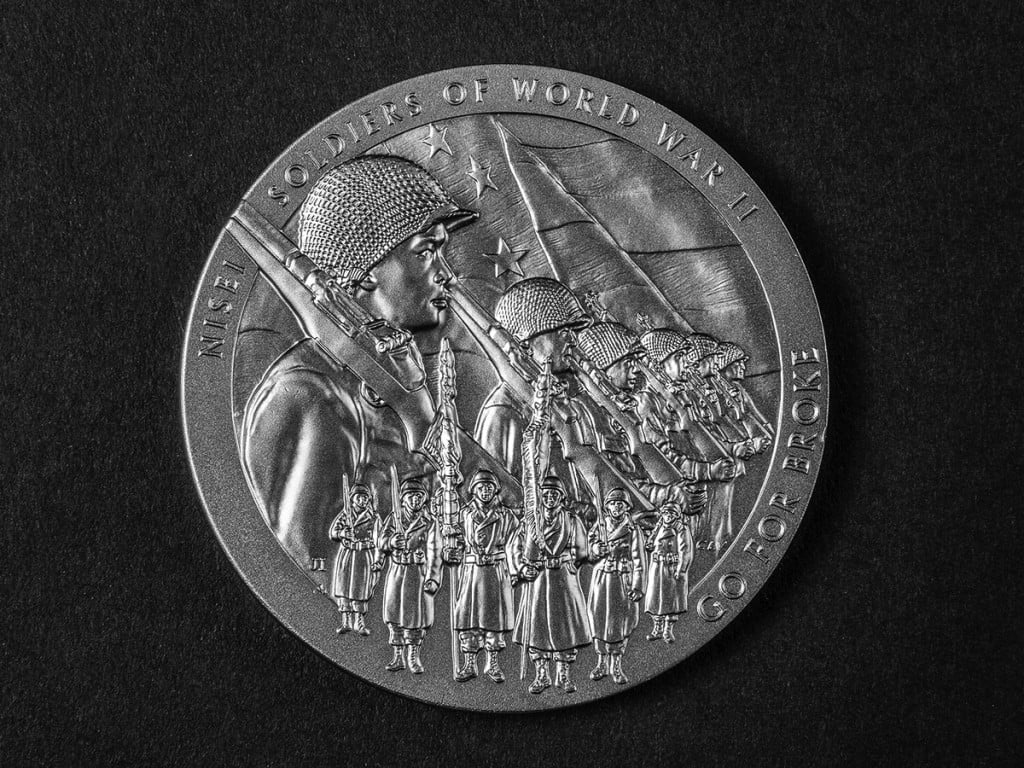
They’re our everyday heroes in plain clothes—the revered second-generation Japanese American veterans of World War II. Fewer than 250 Hawai‘i nisei vets are known to be alive today in Hawai‘i. And the war is just part of their life stories.
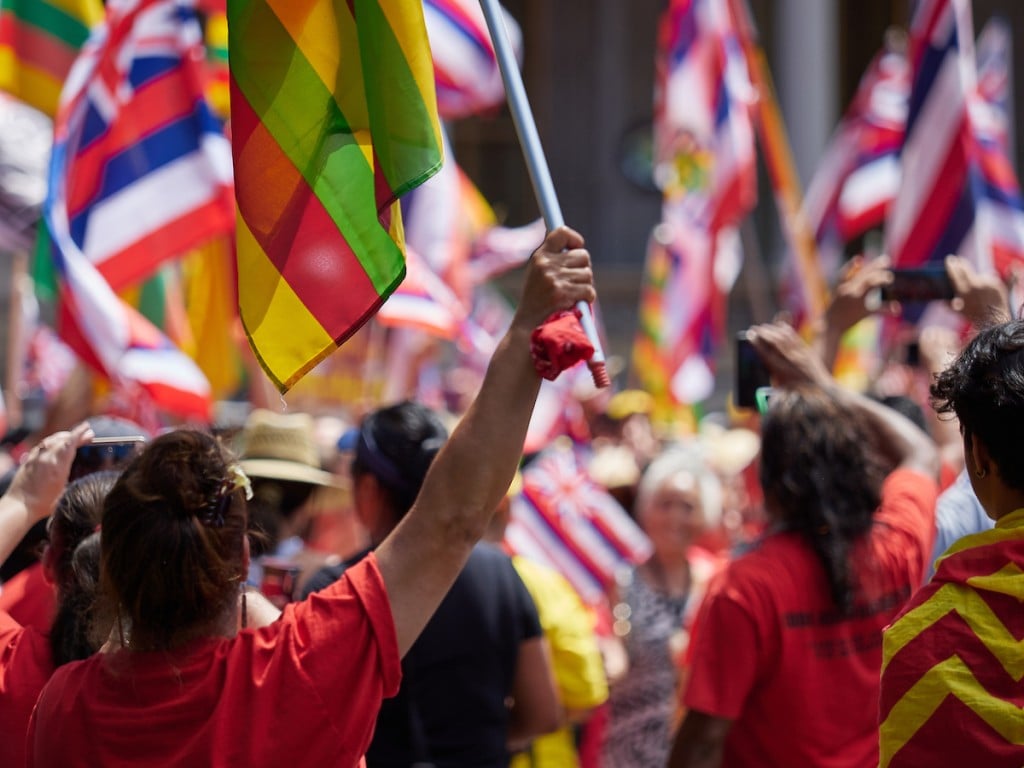
It’s the largest movement since Native Hawaiians rallied to fight the military bombing of Kaho‘olawe in the 1970s.
The HONOLULU team spent five months interviewing and photographing 17 nisei veterans for the December cover story, “Soldiering On.”
Sometimes you need a little (or big) push to remember what’s important.
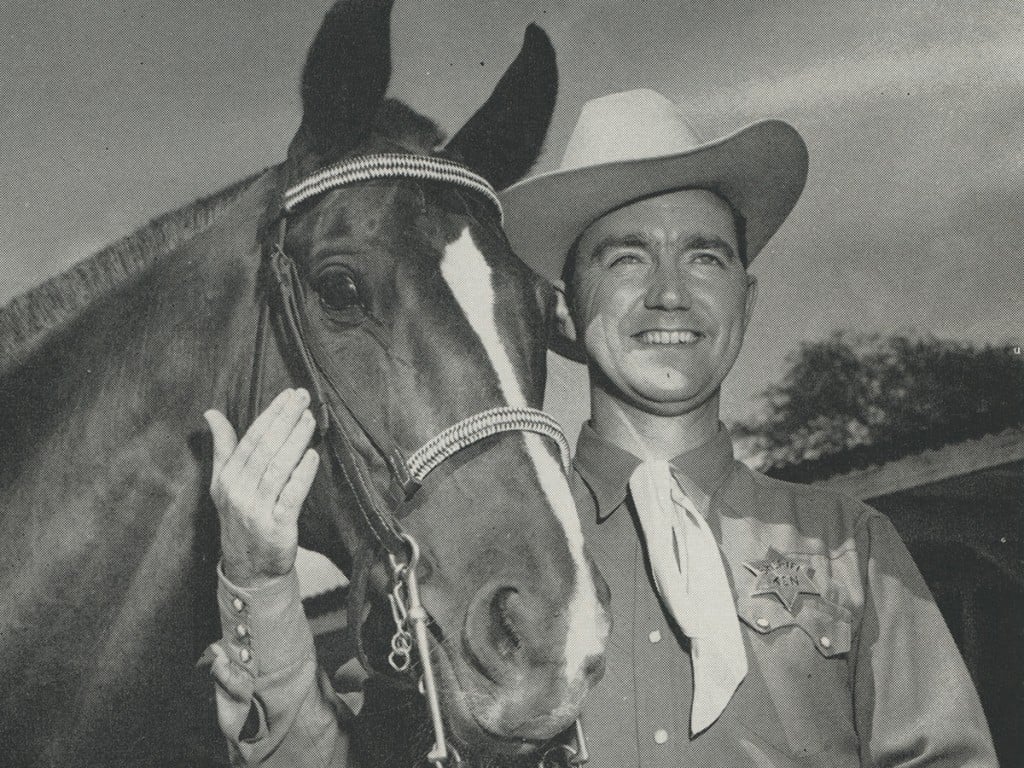
For years, about 50,000 TV fans waited every week to hear Ken Alford say, “Howdy Buckaroos.”
Letting things slide isn’t always a good way to go.
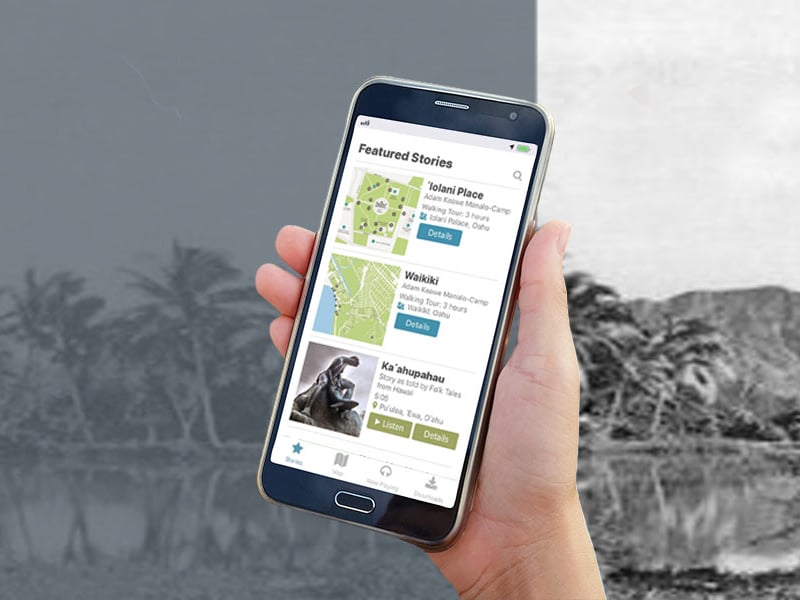
Get the Native Stories app and free Downtown walking tour download.
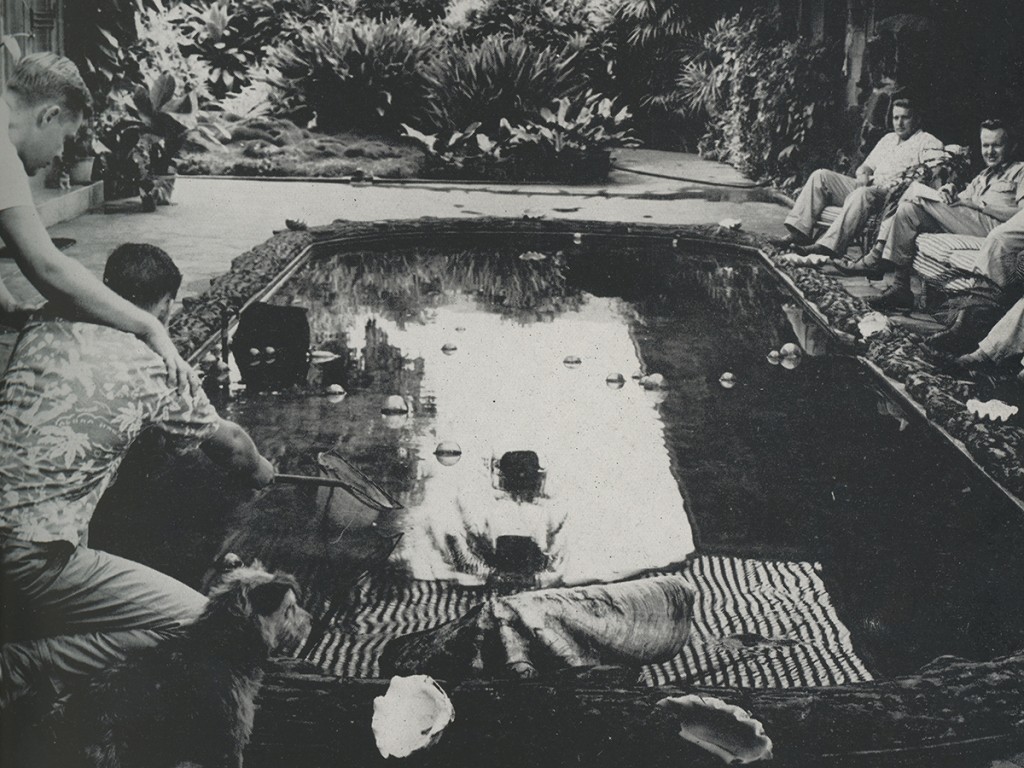
Before it housed the Hawai‘i Institute of Marine Biology, the island off the Windward Side was slated to be a playground for the nation’s researchers and wealthy.
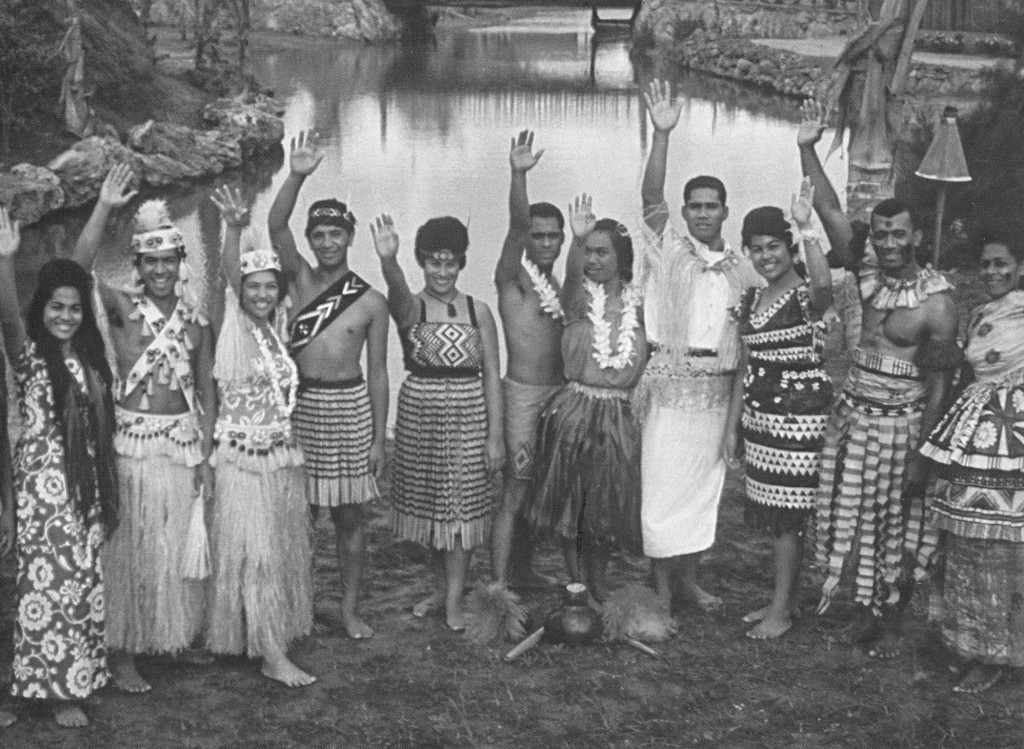
Since the Polynesian Cultural Center opened in 1963, some 38 million people have visited. But early on, many considered the concept outlandish, as HONOLULU Magazine reminded them a few years later.
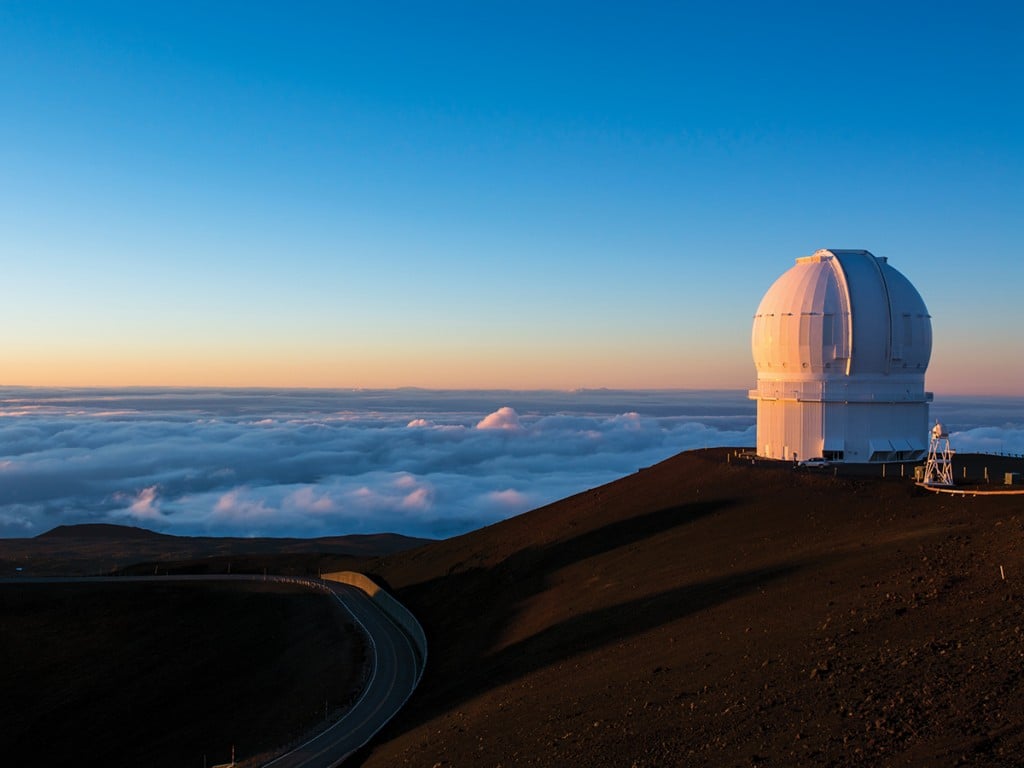
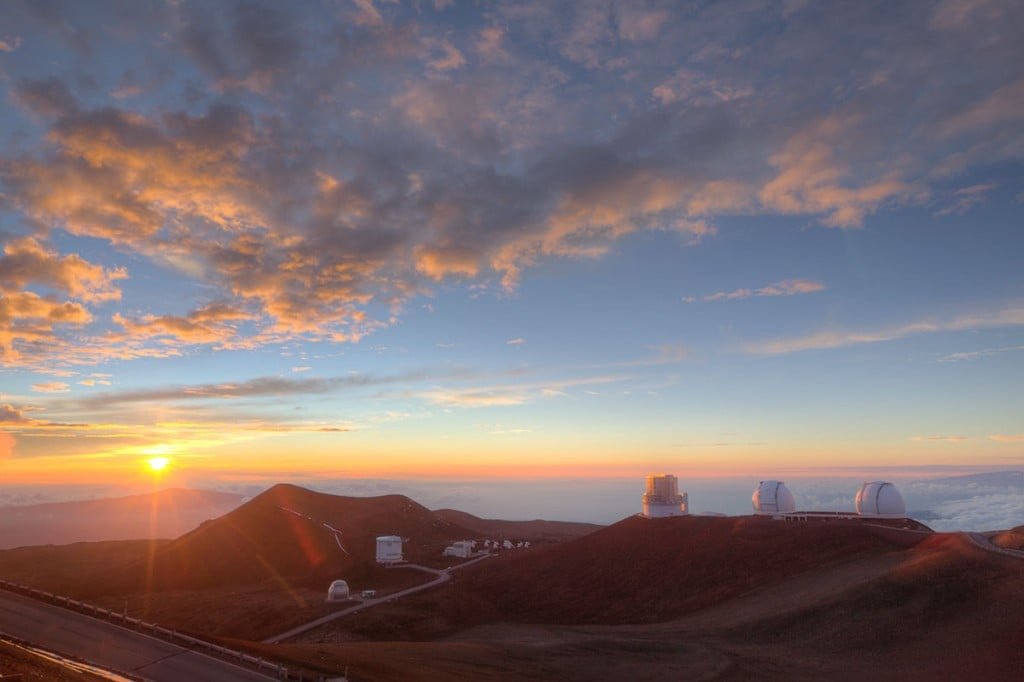
With tensions running high and a weeks-long standoff now stretching into its third month, no one seems to be able to predict what will happen next on Maunakea. Will the state or the protectors back down? Or will the Thirty Meter Telescope bow out? We take a look at where things stand and how we got here.
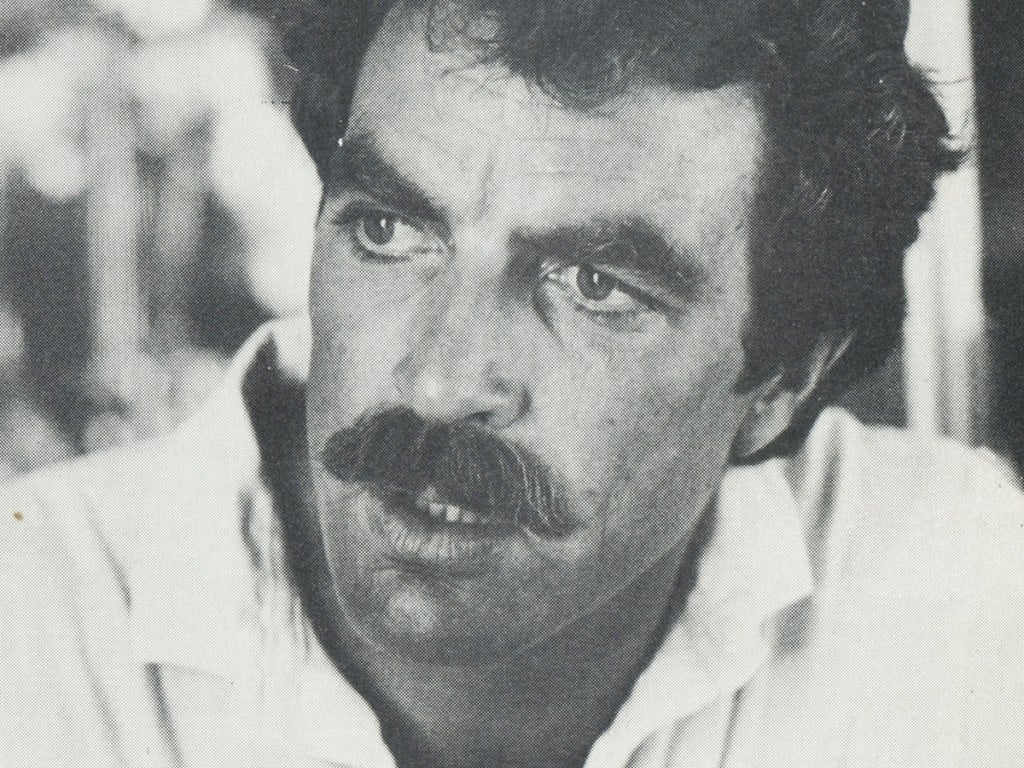
When the original “Magnum, P.I.,” went off the air in 1988, it was one of TV’s highest-rated shows. Twenty years later the reboot debuted. Its new season premiered Friday, Sept. 27.
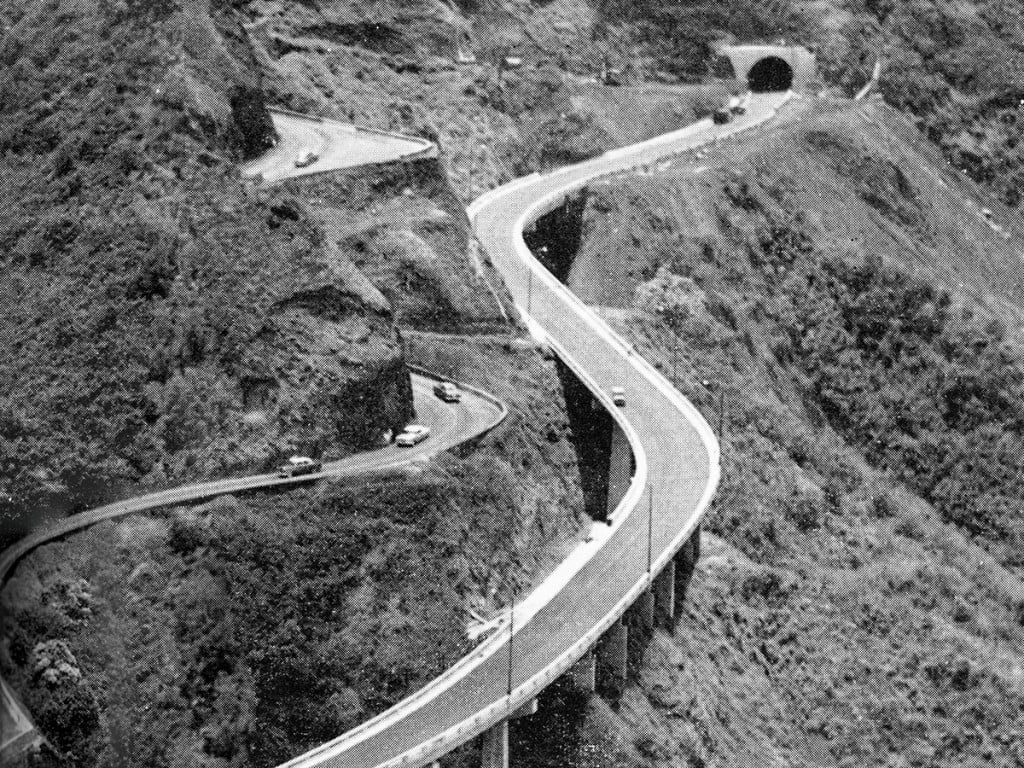
One day in May, Hawai‘i drivers started going through the Ko‘olau mountain range to Kailua, instead of over it.
Here we see how the other half lived on vacation—sometimes breaking the law in style—and even, in one instance, dying.
As protests against the Thirty Meter Telescope on the Big Island stretch into a fourth week, we look at the history of the summit.
A modern state building was in the works. But a quiet coral-block barracks stood in its way.
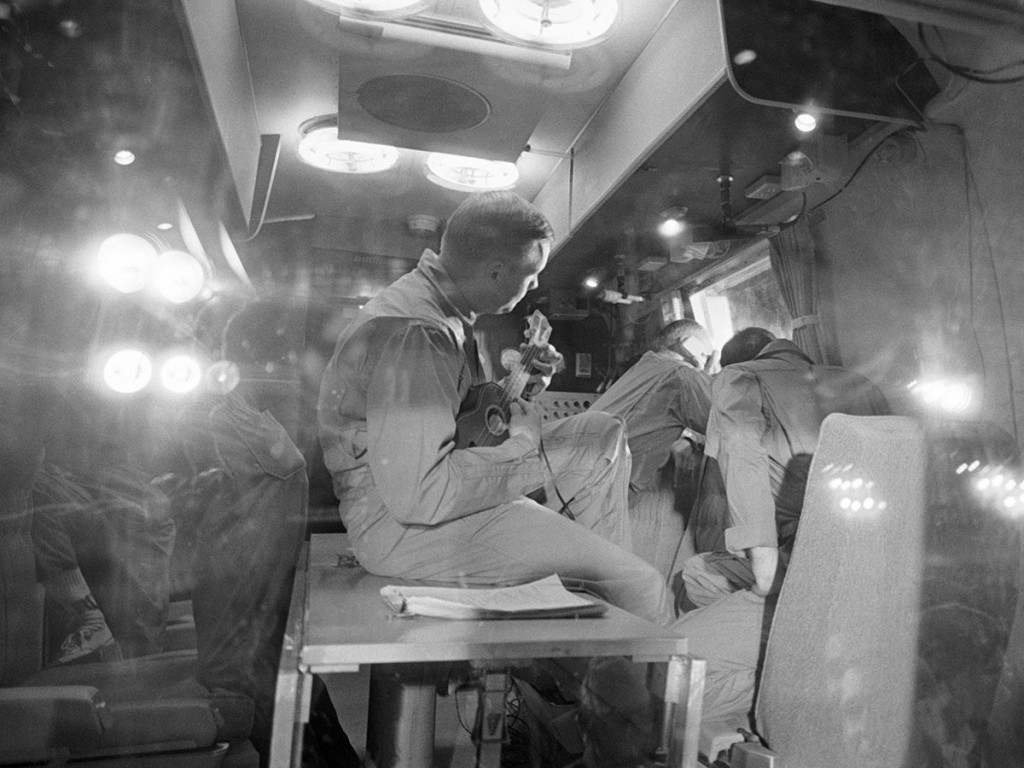
The Apollo 11 crew landed 812 miles off our shores and declared moon rocks at Pearl Harbor Customs.
On July 24, 1969, the command module Columbia landed in waters 812 miles southwest of Hawai‘i.
With only a few “benders” on the island, classic neon signs faced a dim future in 2010.