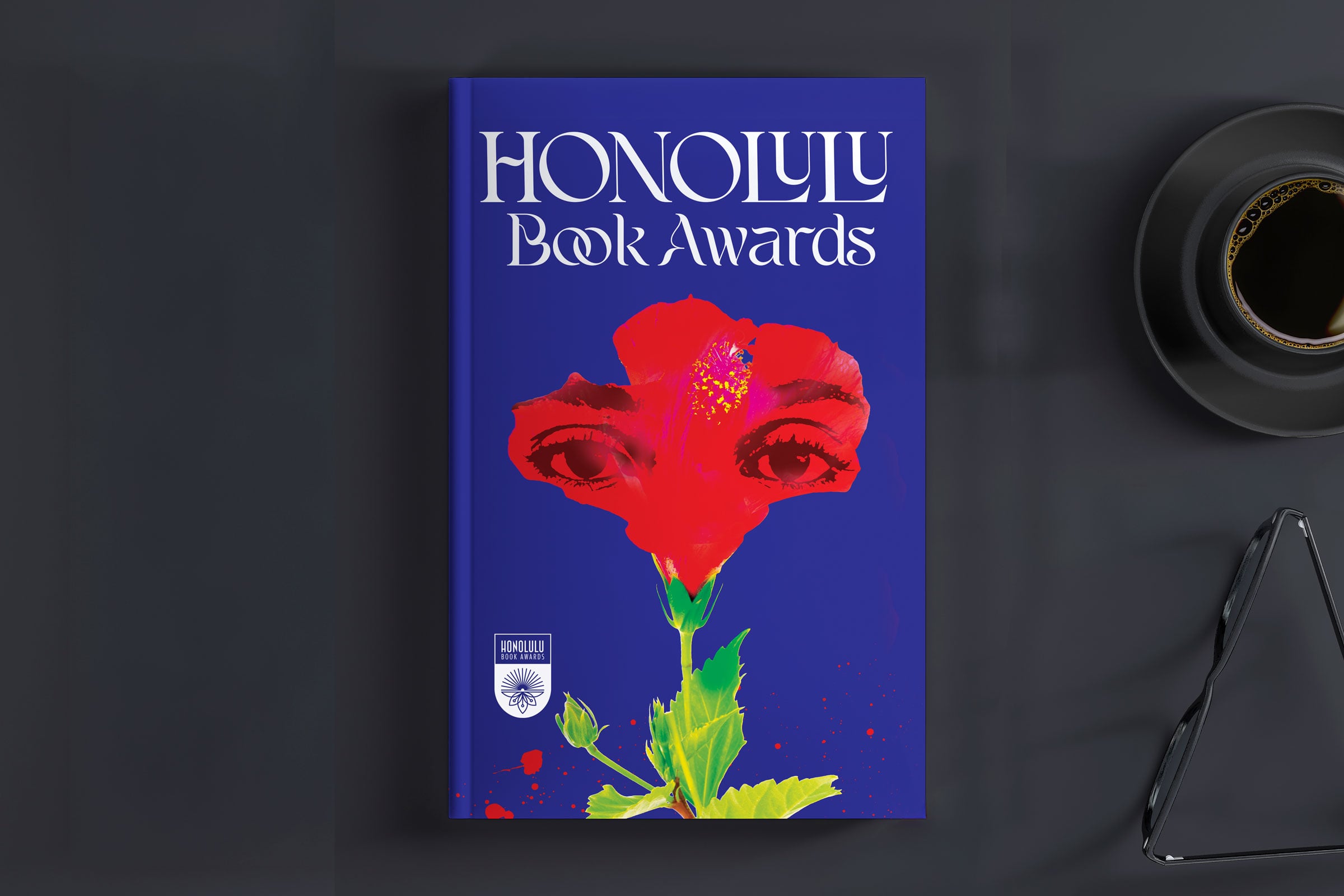
2026 Honolulu Book Awards
This year’s five honorees bumped an already high bar set by our 2023 and 2024 winners.
After more than a century of publishing fiction, poetry, book reviews and author profiles, we launched the HONOLULU Book Awards three years ago to recognize achievements in our thriving literary scene. Our regional literature has clearly entered a new phase, and publishers in New York and other cities have been jumping at opportunities to publish the works of Hawai‘i’s newest literary stars.
In 2023, a true blockbuster year, four books appeared from major publishers, two from an independent New York publishing house and one from a local indie. In 2024, there were three books from major publishers, two from New York indies and two more from local indies. This year’s crop, winnowed from mid-2025 to mid-2026, has five books from major publishers—an all-time high. Hawai‘i’s regional literature is now a proven market niche and is receiving worldwide attention.
It’s HONOLULU’s kuleana to do these awards for you, dear readers. But just between us, when the reading is so good, as it was this year, we really should be thanking you for giving us the excuse to hit the hammock and call it work.
Author of the Year
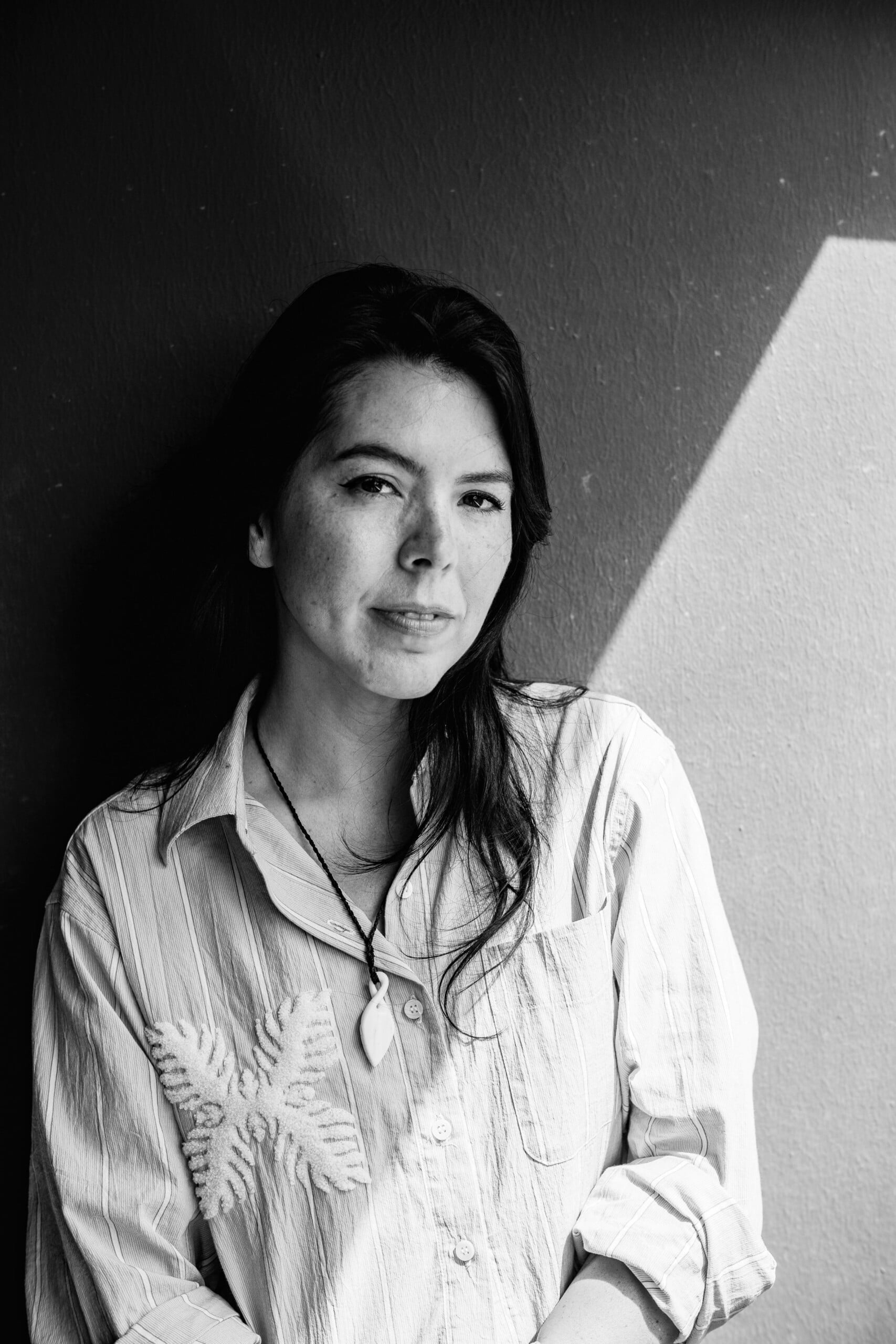
T. Kira Madden
Whidbey
An unkempt stranger approaches Birdie Chang, who’s on a Puget Sound ferryboat in a fugue state, fleeing the release of a tell-all bestseller that appropriates her childhood abuse case. After picking the lock of her psyche with unsettling ease, the man offers to kill her predator, Calvin, who’s out on parole in Florida and sending her emails. With that wink to Alfred Hitchcock’s Strangers on a Train, we’re off—and settle in for what appears to be a suspense story about a serious subject. That it turns trauma into popcorn-munching entertainment, well, that’s America.
But that’s not Whidbey. Like the sinister stranger, author T Kira Madden knows what we’re thinking. She’s many steps ahead of us. In bright scenes and bravura interior monologues she lures us into the minds of the people in Birdie’s horror-story life, dishing out quietly hilarious satire, employing all the tropes of the true-crime genre and our reality TV culture. Then she plunges us into deep, unsettling empathy for every twisted character. By the end, no one is without blame and everyone is complicit, including the reader.

Image: Courtesy of Mariner Books
Madden—a queer Chinese Hawaiian Jewish-haole whose dazzling 2019 memoir, Long Live the Tribe of Fatherless Girls, traced her turbulent Florida childhood as the daughter of two glamorous, addict parents—provides the dignity of being seen to America’s class castoffs, victims, and yes, even predators. “I knew I didn’t just want to write a book of privilege,” she says. In grad school, she chose to teach and counsel in jails, prisons and homeless shelters out of awareness of “Hawai‘i family members who have been incarcerated on and off my whole life in high security prisons in Texas and Arizona. I have family unhoused on Maui.”
High praise from The New York Times and Vogue affirms her bold, counterintuitive choices, and yet Whidbey doesn’t disappoint, whether you’re a true crime or Real Housewives junkie. It lands on the top shelf of literature, and Madden on the short list of young Hawai‘i writers taking their places in the national conversation.
Book of the Year (About Hawai‘i)
Everything to the Sea
By Alicia Upano
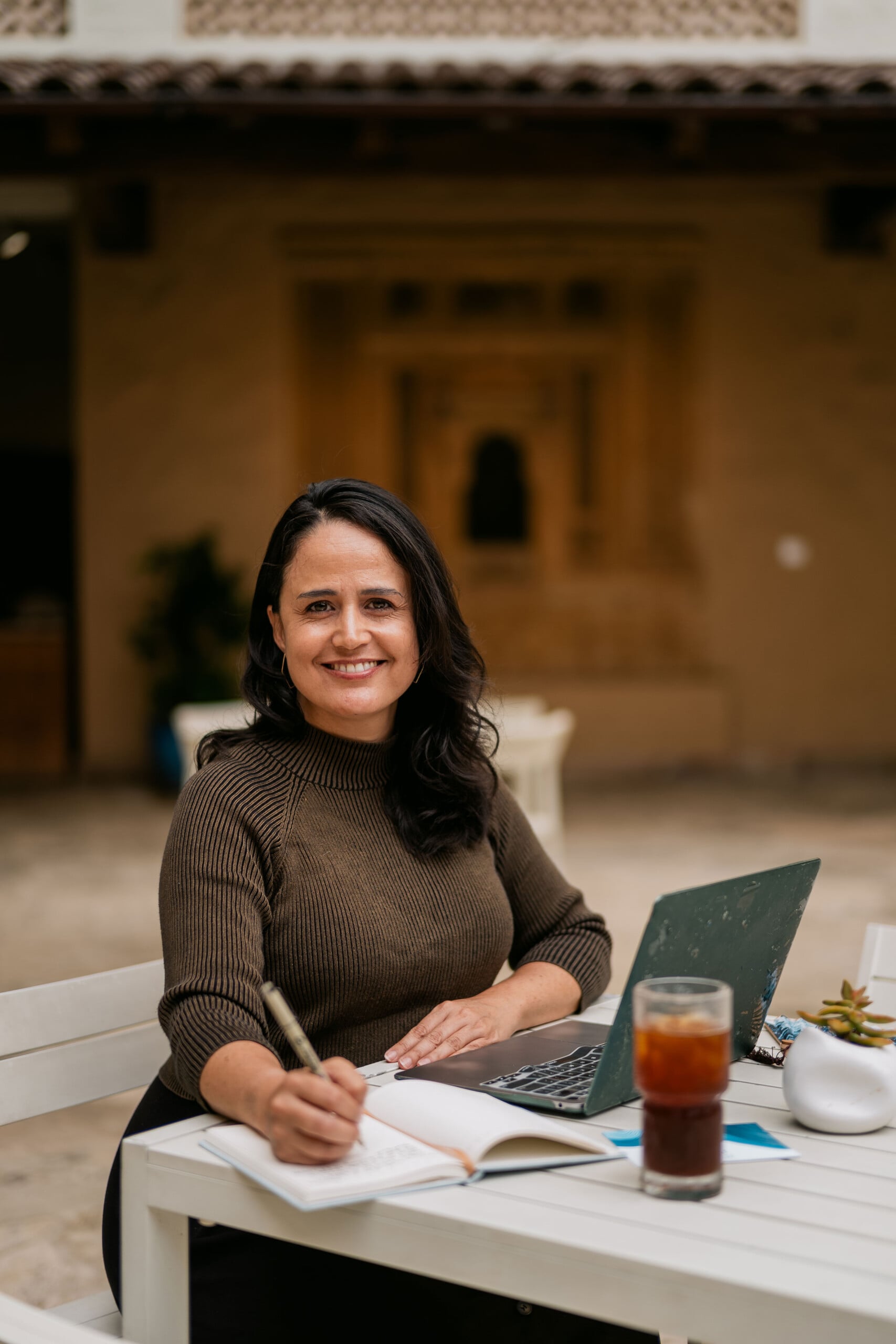
Two young lovers from Hilo on their first weekend in Honolulu want different futures: Kenji, “looking backward,” prizes family and local connection, while Jane, “outward,” aims at a life where they will “learn to make macarons and mix cocktails, buy something excessive.” Can this romance be saved?
“I had started a futuristic novel of climate change in Hawai‘i,” says Alicia Upano, whose novel Everything to the Sea takes its title from Tsunami Years by Hilo’s Juliet S. Kono. “But I kept writing about these two minor characters, Jane and Kenji.” And so while Jane is making dreamy plans for her and Kenji at Honolulu Museum of Art’s café, a tsunami strikes. Two great waves wipe out Hilo town, taking Jane’s stolid parents, Kenji’s mother, and his father-figure uncle.

Image: Courtesy of Harper Collins
Jane stays at college, having nothing to return to except Wally-Jun, her childhood bully turned handsy employer. Kenji goes back, living in a crowded shelter, where Loralei, the alpha girl activist from Jane and Kenji’s junior high days, claims him as her partner and turns him into the public face of the tragedy. “Kenji loses who he is,” Upano concedes, “but at the same time Loralei gives him a bigger life.” Jane, who was supposed to give him a bigger life on the continent, spirals into depression.
Like the DNA swabs Jane and Kenji take to identify family remains, journalist/editor Upano’s details and descriptions, both physical and psychological, are granular. “I needed to do research to spark my imagination,” she says, “and also to establish an emotional baseline and authenticity.” It shows. Instead of disaster-movie schtick we feel layers of trauma and memory, from Lahaina to Hilo’s two disasters, but also the Fukushima and Indonesia tsunamis. Her vision of aftermaths personal and societal is unsentimental: Whether victim, aid worker or activist, no one is at their best. Meanwhile, the world moves on.
The traumatized don’t have that luxury, and it’s with them that Upano stays patient, empathic and intimate. When, at the seven-year mark, the story reunites Jane and Kenji in San Francisco, there’s finally hope—but still work to be done. As there is in Lahaina and other places where disasters have occurred.
Nonfiction Book of the Year
Family of Spies: A World War II Story of Nazi Espionage, Betrayal and the Secret History Behind Pearl Harbor
By Christine Kuehn
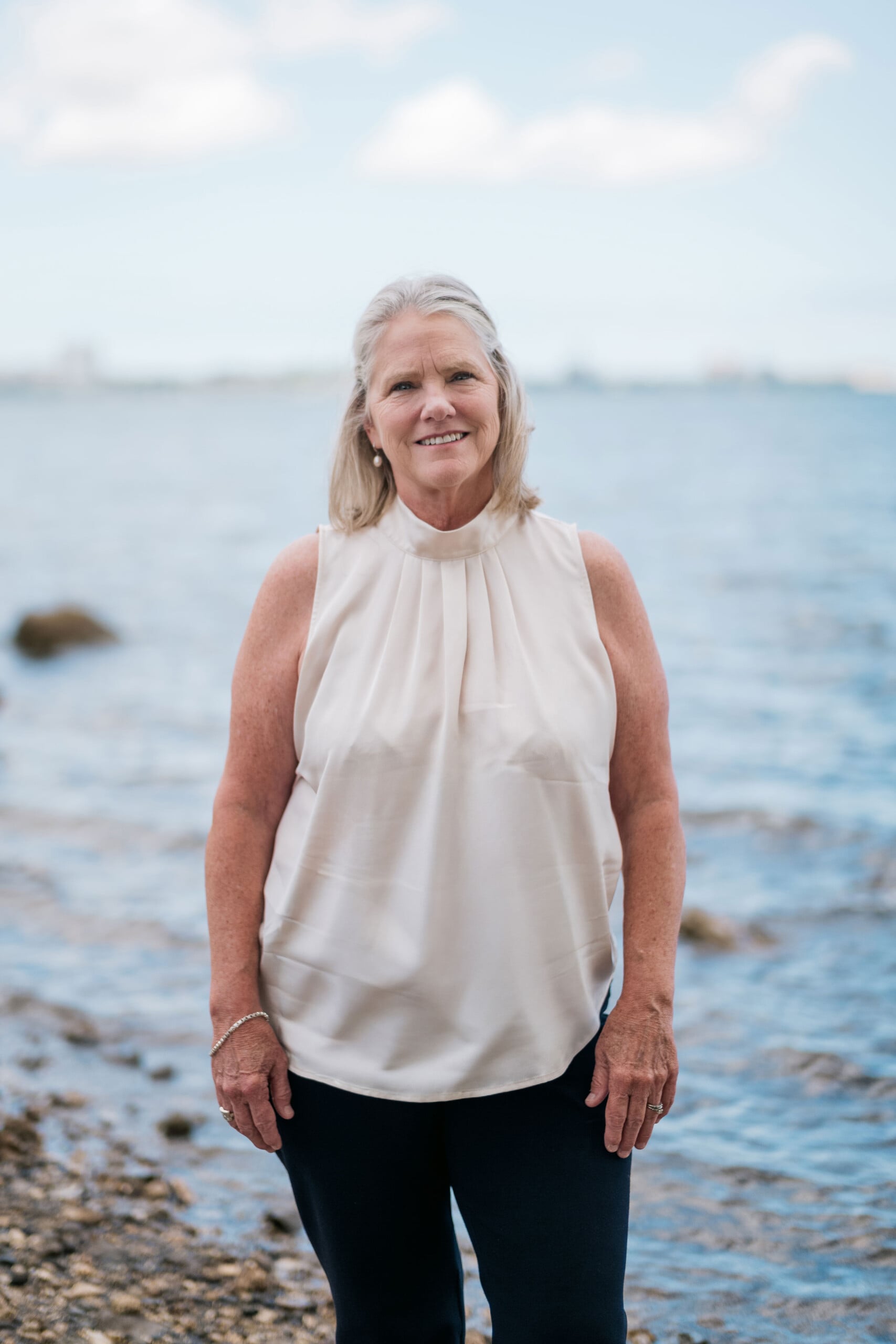
Maryland mom Christine Kuehn first found out her grandparents were Nazi spies when she was 31: “I had two kids, had just moved into a new house, and was just trying to keep my life together.” Then a stranger wrote. Her father was involved in the Pearl Harbor attack. On the German side.

Image: Courtesy of Celadon Books
Impossible, she thought. Her father had fought in the Battle of Okinawa with the U.S. Army and later in Korea. But he’d once mentioned growing up in Hawai‘i, so the next day at Borders Bookstore, she and husband Mark scoured World War II book indexes. And sure enough, there they were: grandparents Otto and Friedel; their daughter, Ruth; Kuehn’s father, Eberhard (identified as a 15-year-old Punahou student); and 11-year-old Hans (described as “probably the only bona fide child spy in history”). According to one account, Kuehn’s grandfather and aunt Ruth had “led the attack on Pearl Harbor” by signaling from the dormer window of their Kailua home.
Thirty-two years after that revelation, Kuehn has given us Family of Spies, her careful, suspenseful, at times anguished deconstruction of her search for truth, no matter where it took her, Mark, and their three children. Otto was an opportunist, Friedel and teenaged Ruth the rabid Nazis as well as major shopaholics with the cash lavished on them by the Japanese Embassy. Honolulu’s louche haole high society embraced them and their parties, where Ruth romanced naval officers for secrets. Little Hans toured Battleship Row with Papa. Meanwhile, they walked out free from one FBI interview after another, even though everyone, including J. Edgar Hoover and newspaper gossip columnists, speculated they were spies. Getting to the bottom of that speculation, it turns out, wasn’t a priority for authorities too busy plotting to deport Hawai‘i’s local Japanese.
Since revealing her family’s story, Kuehn has been a guest speaker for the FBI and military brass in Honolulu this past July. Her New York Times bestseller balances its trove of heretofore unexamined documentation with Kuehn’s pain at each discovery and appreciation of the burden young Eberhard, who was interned despite renouncing his family, would shoulder in silence his entire life, starting with 82 straight days of front-line infantry combat on Okinawa following his Punahou graduation.
Debut Author
Mariah Rigg
Extinction Capital of the World
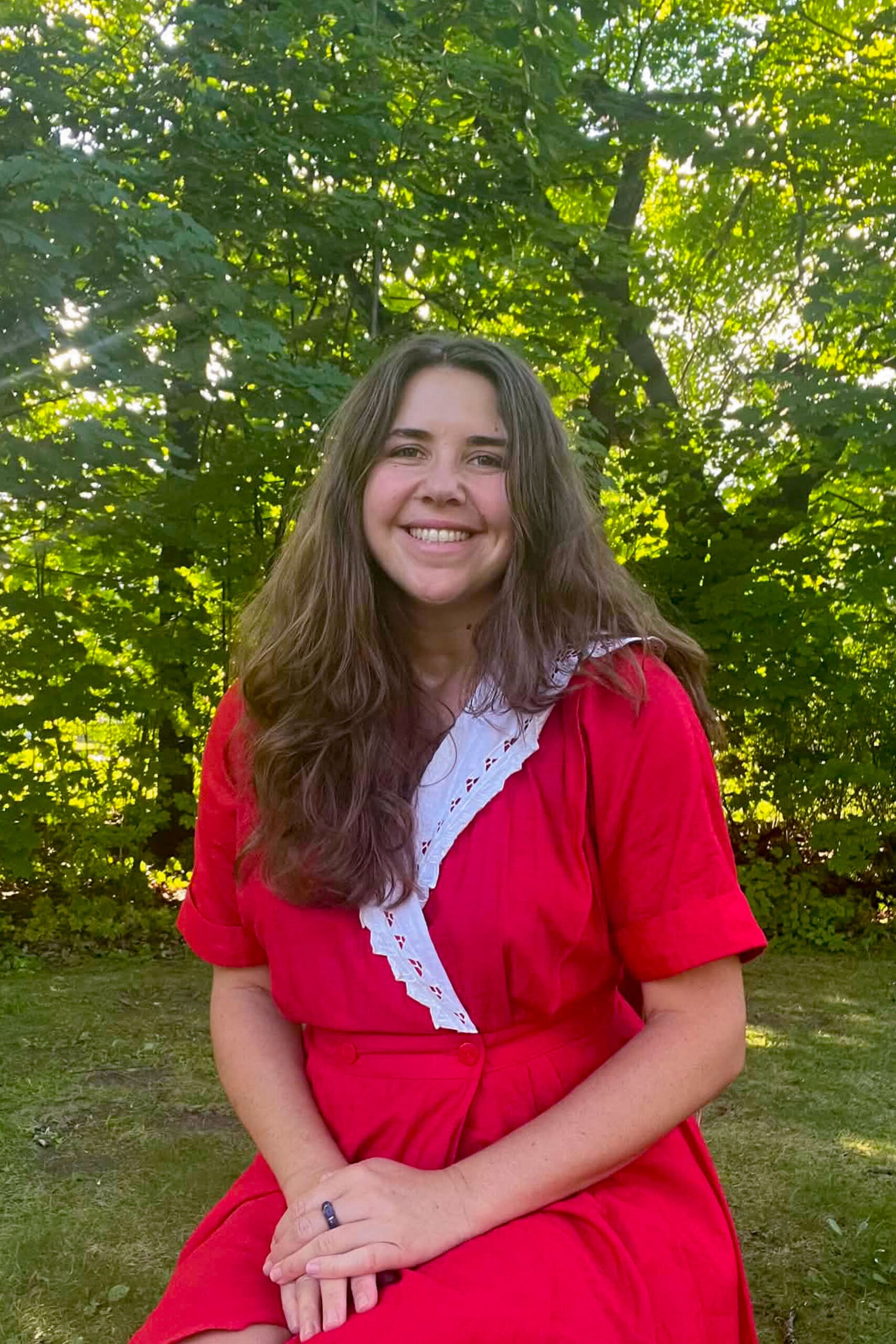
Like a throw net in the days before overfishing, Mariah Rigg’s collection of stories returns bulging with flashes of lives that a moment before were swimming solo. Young and old, poor and rich, spouses and (mostly) exes, siblings whose lives are on different trajectories, fathers present and (mostly) absent, mothers tender and (mostly) cruel—all are suddenly jammed into close proximity by the invisible monofilament of social class and misplayed romantic choices.

Image: Courtesy of HarperCollins
Sounds like Hawai‘i, right? So does the literally true title, and Rigg fully deploys the multiplicity of meanings that “extinction” suggests. Climate change and militarism loom over the military contractor fathers who feature in “Target Island,” centered on Kaho‘olawe’s relentless bombardment, and “Dawn Chorus,” where another dad maroons his family on Midway Atoll after catching his daughter kissing another girl. (It backfires.) Buying organic at the KCC Farmers Market, a bitter mother tells her daughter, “You have no idea what it is like to be left with a baby you never wanted.”
Rigg herself grew up a Pālolo bookworm, a water-loving fish out of water. Her single mother was a lifeguard, and her paddler-fireman father wasn’t around much. But as the family’s fortunes improved, she would go to Punahou, where she studied writing with author Nora Okja Keller and played two varsity sports. Private school italicized Hawai‘i’s contradictions, she says: “It’s so present, colonization. All the missionary money, which is kind of taboo to talk about, but it’s something I wanted to talk about, interesting and complicated. So many people I know have generational friendships with my family who are way way richer than us, by millions of dollars. But they’re your hānai family. And you love each other.”
Links between the characters, generations and neighborhoods pull taut with a jerk in Rigg’s long last story. There’s a father-daughter reunion swim out to the flag at Old Man’s, but also her catching sight of him, a lonely token Hawaiian member of the Outrigger, surrounded by his posse of effusive haole members. While Rigg says she never thought of making this a novel, in the end, Extinction Capital vividly captures an entire world, ours, right now.
Author Under 35
Shay Kauwe
The Killing Spell
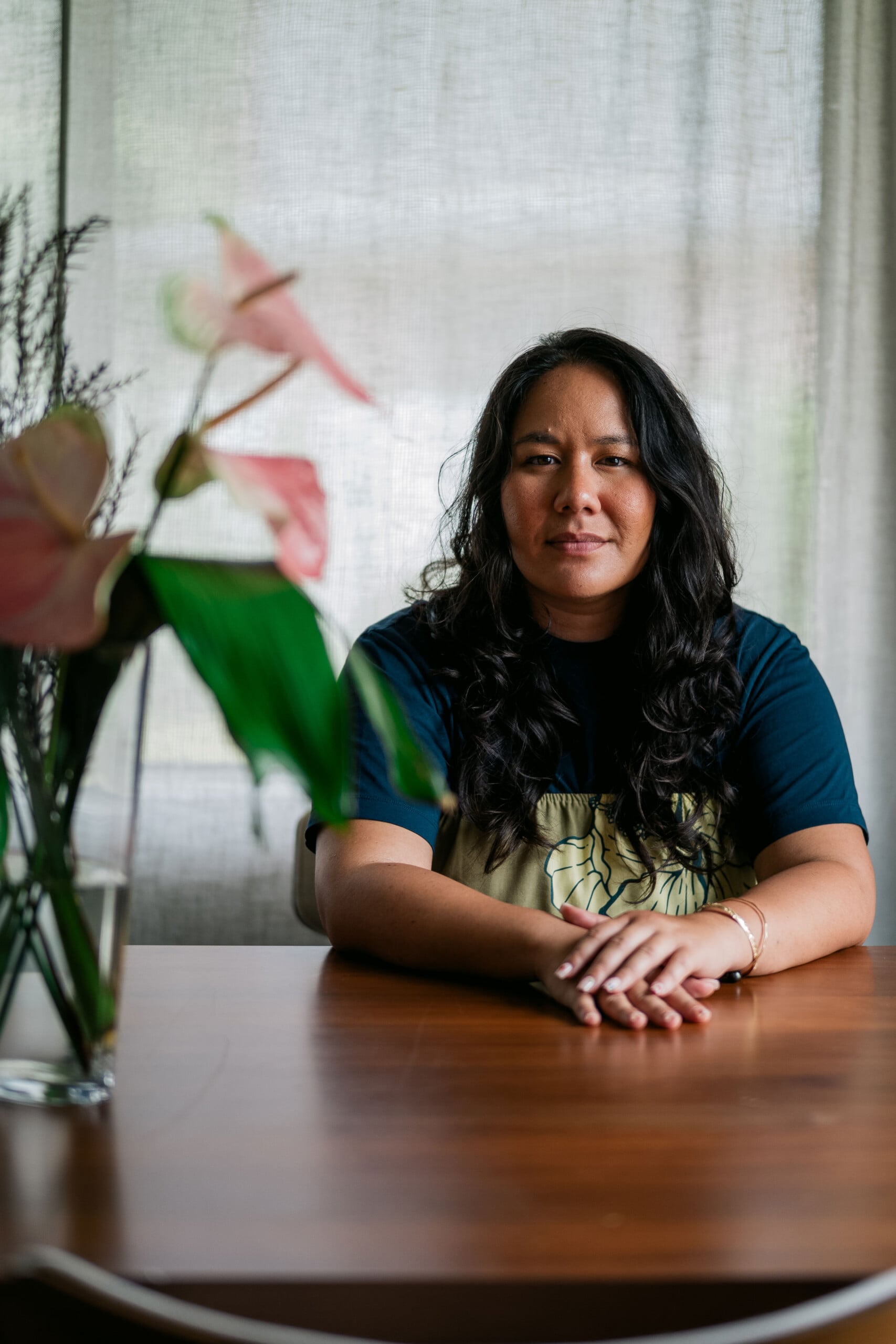
Hoping to challenge her English students at Wai‘anae High School, Shay Kauwe thought of how much she loved fantasy novels as a kid. But after asking them to write one, she says, “They were like, ‘You haven’t written a book, you should write one with us.’” Kauwe describes it as a “teaching moment,” adding, “If you’re gonna reach people, you gotta write what they read.” That would turn out to be The Killing Spell, as Kauwe found her true subject matter in her own difficulty in learning ‘Ōlelo Hawai‘i, despite attending Kamehameha Schools. She also found a cause—advocating for dying languages.
In the novel, a young Hawaiian, Kea, inherits the mantle of her depleted clan living on a homestead in post-apocalyptic Los Angeles. The islands of Hawai‘i are gone, submerged by a flood. LA is a fortified stronghold of wealth and power, run by magic, which is strictly regulated and limited legally to the old colonial tongues.

Image: Courtesy of Saga Press
Trying to put food on the table for her tiny clan, Kea smiths and sells benign spells in her own dying language. This puts her in the sights of LA’s Council of Casters, and at the heart of a murder committed via a black-market spell in the banned Hawaiian language. To clear herself and save her clan’s territory from annexation, Kea has to find the killer caster among devious council members, duplicitous homestead rivals and romantic interests.
Blunt and socially awkward, her mana thwarted by her struggles with ‘Ōlelo Hawai‘i, Kea makes a terrific rising leader, teaming up with a snotty council member to track the culprit and dodge lethal spells and blunt instruments. Uncovering a deadly power grab, Kea masters Hawaiian, and thus her powers—and finds her soulmate. This sinewy and ambitious story, with its kaona, or hidden meaning, evoking the overthrow of the Hawaiian Kingdom, was field tested by Kauwe not just on her students but with her 33,000 TikTok followers, spreading the word on the importance of saving all of our endangered tongues.
The issue is also one reason why Kauwe chose to do adult fantasy over the trendier young adult genre. “In YA there’s a big push for diversity,” she says, “but when you get to adult books it stops. There shouldn’t be a point where readers in Hawai‘i stop seeing themselves.” With major publisher backing and two more books in the pipeline, Kauwe is, well, living the fantasy.