Give Big Hawai‘i: Kona Low Kōkua
Local nonprofits came together to help hard-hit communities during and after the devastating storms this spring.
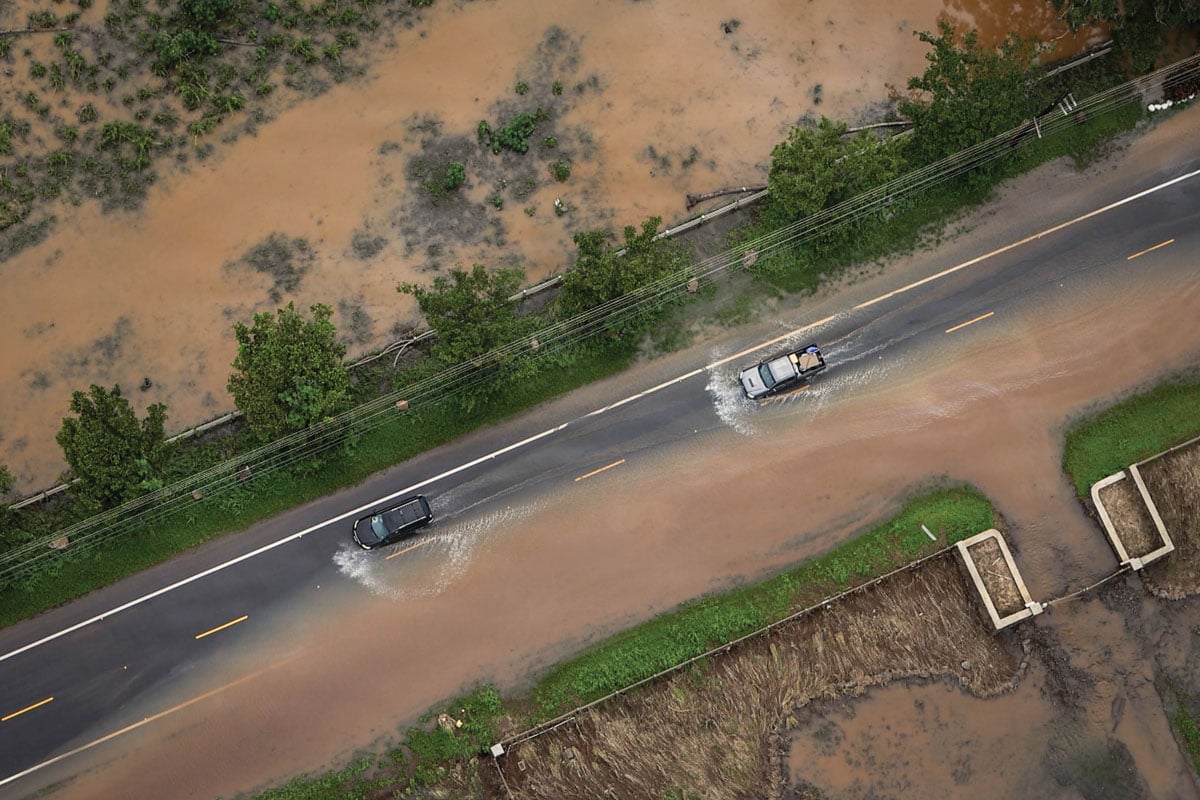
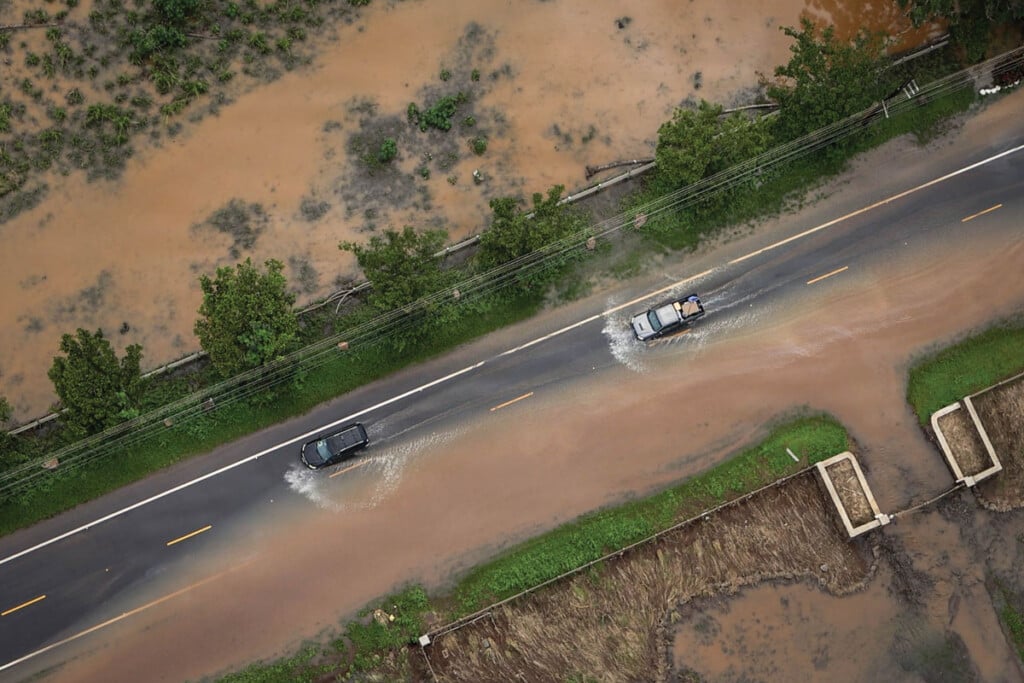
When Kona low storms dumped torrential rains across the state in March, Melissa Ka‘onohi-Camit checked on her family, assessed minor flooding at her house, then headed out “in a little rusted school bus” to help her neighbors.
By day, Ka‘onohi-Camit is a special education teacher in Kahuku with 27 years of experience. She’s also a founder of the Lāhui Foundation, among the small nonprofit organizations that sprang into action amid the storms, which caused an estimated $1 billion in damage.
On O‘ahu—the hardest-hit island—devastating flooding overwhelmed streams, homes and vehicles, prompting multiple rescues in Waialua and Hale‘iwa. With funding from the Hawai‘i Community Foundation, the Lāhui Foundation delivered water, food, pumps and emergency supplies to neighborhoods in need. Volunteers from the organization also transported people to healthcare facilities, stocked community hubs, and connected businesses to those who could get supplies and equipment to affected areas.
The Hawai‘i Community Foundation activated its Stronger Hawai‘i initiative, building on what it learned in the aftermath of the catastrophic Lahaina fires. HCF swiftly awarded close to $1.54 million to 16 organizations, including the Lāhui Foundation, to support more than 8,400 individuals in conjunction with the Kona low storms, says Keanu Lau Hee, the organization’s vice president of community resilience and strategic implementation.
“I think what Hawai‘i’s community does best, and we’ve seen this in every disaster, is they don’t wait for someone to tell them they need to stand up and they need help, especially those local/hyperlocal community organizations,” Lau Hee says. “They respond to the needs that are obvious in their community. I think those are some of the values that make the people of Hawai‘i so unique.”
With a background in government emergency management, Lau Hee, who lives on Maui, witnessed the speedy community response to the wildfires and Kona lows. By nature, government tends to move a little slower, bound by procurement laws and other issues, she says.
With less red tape, HCF can help a community progress through four phases: risk reduction and rapid response in the early days and weeks, followed by recovery and rebuilding resilience, Lau Hee says.
Rising from Need
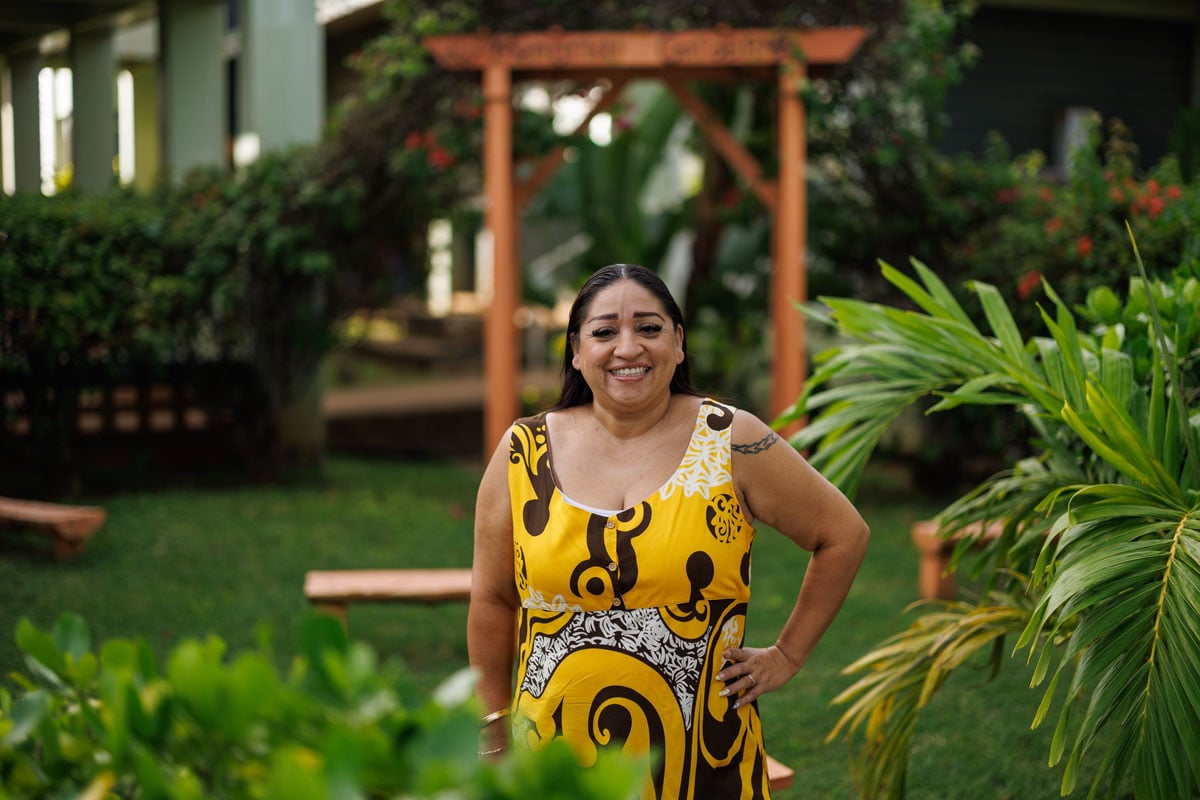
The Lāhui Foundation was launched in 2019 by five community members who felt that residents’ voices weren’t being heard. Ka‘onohi-Camit describes the group’s grassroots origins as “four moms and one kāne.” During the flooding in March, they knew how vital it would be to reach out to the rural Ko‘olauloa communities connected by Kamehameha Highway.
It wasn’t their first storm. They remember walking door to door to check on people after heavy rains flooded homes in Hau‘ula in 2021 and hearing a faint call for help. “We went in and there was a kupuna, and she was on the ground. She was like that for two days, and there was no one there to help her,” Ka‘onohi-Camit says, her voice breaking. “This is our kuleana. This is part of our journey in this life.”
As they helped the woman to safety, they resolved to keep working together to assist the community during natural disasters.
Lau Hee points to KEY Project and Wahiawā Health as additional examples of community-based organizations that rise up after disasters. “They are led by really dynamic community leaders who don’t really ask, ‘Should I?’ They just go for it, and I think there’s some bravery in that, and there’s something admirable about being able to just take off of work and support your community,” she says.
Communities Respond Fast
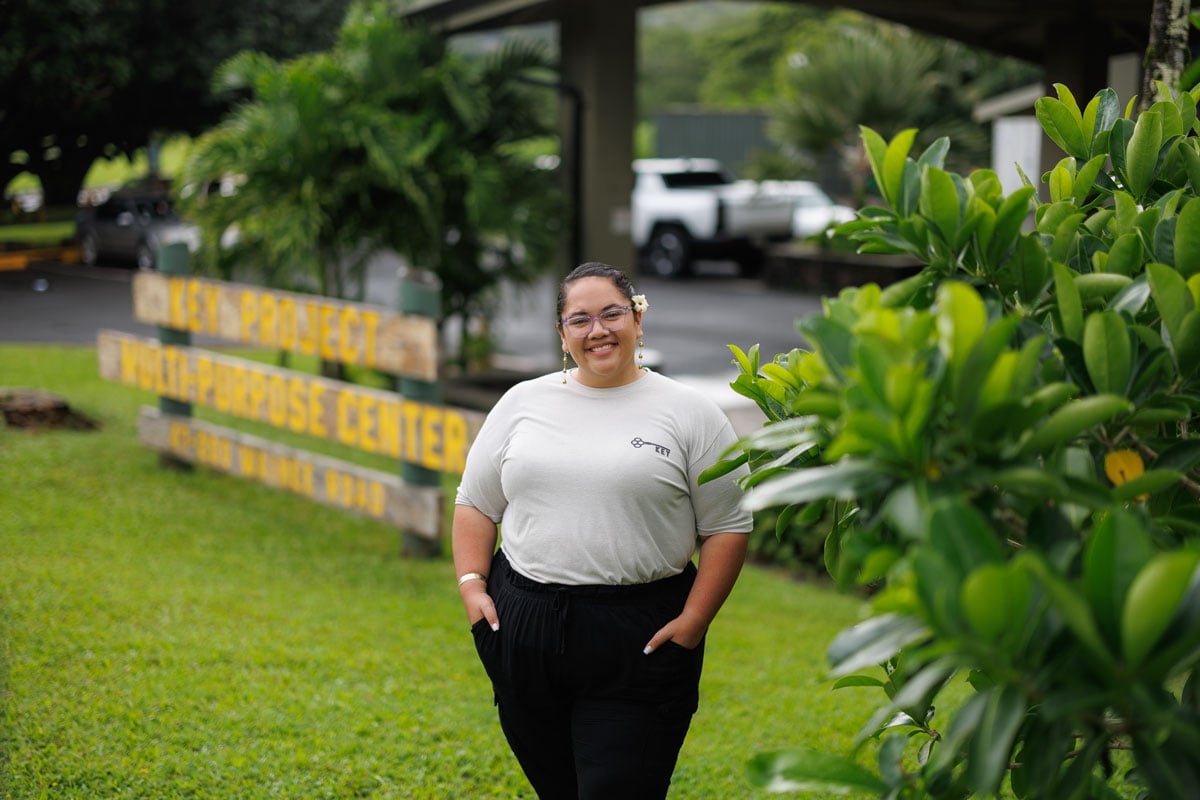
The Ko‘olau Resilience Hub Network, established in 2024 by Vibrant Hawai‘i, is a coordinated network of 15 nonprofit and community-based organizations serving Windward O‘ahu communities, says Rainbow Uli‘i-Akina, executive director of KEY Project. Originally known as the Kualoa-He‘eia Ecumenical Youth Project, the organization was founded in 1968 through the collaborative effort of churches, residents and social service agencies. Today, it provides a wide spectrum of services to keiki, kūpuna and everyone in between.
In March, KEY Project and four other partners—the Lāhui Foundation, Ho‘āla ‘Āina Kūpono, Hale Ofa and Nurture Cultivate Inc.—led a community-based response during the severe weather. While rain was still falling 48 hours into the Kona lows, Uli‘i-Akina says the network distributed $42,000 in Foodland gift cards to more than 150 families. The effort not only got help out fast, but allowed the nonprofits to assess the most critical needs right away. Her takeaway: “Community-based networks are serving as the first and most trusted layer of response, particularly in hard to-reach areas,” she says.
Along with HCF, the state distributed $175 million in aid and sought federal assistance. The Office of Hawaiian Affairs and the Hawaiian Council also provided a community-based recovery hub on the North Shore, which remained open after the city’s Community Assistance Center closed.
In late August, OHA reported that more than $1.5 million in assistance had been distributed or approved for Native Hawaiian beneficiaries from the organization’s Kona low relief programs. In partnership with the Hawaiian Council, the I Ola: Kona Low Disaster Relief program approved assistance to 130 people and disbursed nearly $1.1 million statewide. The same partners provided assistance to Native Hawaiian farmers and agricultural producers through the Māhi‘ai Microfund, distributing $101,000 to 21 beneficiaries, with another $89,000 pending.
And OHA reported that the ‘Īna‘i Kōkua Gift Card Program distributed 190 Home Depot gift cards totaling $380,000. Ninety-seven of the cards were delivered on O‘ahu, 29 on Hawai‘i Island, 31 on Maui and 33 on Moloka‘i. In August, the OHA board voted to redeploy the program’s remaining $30,407 to Kōkua Ka‘ū to assist with Hurricane Lala response.
The nonprofit Holomua Collective gave $580,000 through its Waialua-Hale‘iwa Homeowner Recovery Grant Program, providing $10,000 each to 58 families to help with immediate needs. Holomua board chair Mike Pietsch, president of Title Guaranty, rallied his company, local banks and philanthropists to provide funds for repairs, building materials, temporary housing and insurance deductibles. Holomua’s mission is to make Hawai‘i more affordable to working families.


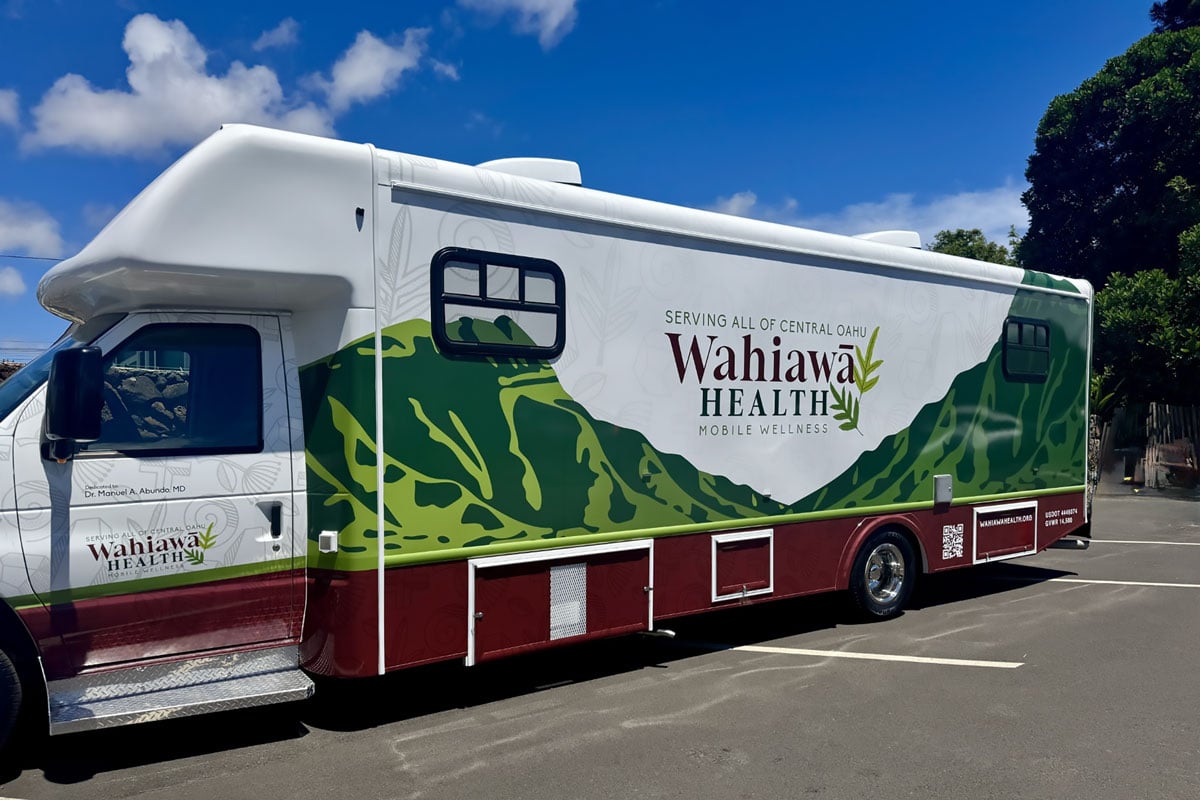
Photo: Courtesy of Wahiawā Health
Meanwhile, Wahiawā Health—which serves Wahiawā, Waialua, Mililani, Schofield Barracks and Kunia—deployed its mobile health bus after the Kona low storms, targeting Waialua, the hardest-hit area, says CEO Bev Harbin.
After the Department of Health confirmed the presence of harmful bacteria in mud samples, Harbin says the center mobilized the bus to provide emergency medical care and to “meet the community where help was needed most.” Centrally located Waialua Elementary School allowed the bus to park on its campus.
“Listening to what the community needed and working with local partners on the ground allowed us to respond quickly and in a way that was meaningful to the people we were trying to help,” Harbin says.
That’s what happened when the Kona lows flooded parts of Kahuku High and Intermediate School, destroying band instruments and uniforms. A Lāhui member and Kahuku band parent helped get the word out and community donations poured in to replace what was lost.
“We are able to see the impact that we make,” Ka‘onohi-Camit says. “We’re your neighbor.”
To learn more about these nonprofit organizations, go to: