On Board with AI? It’s Complicated
We will never use AI to write editorial stories, but its power to assist with processes is undeniable.

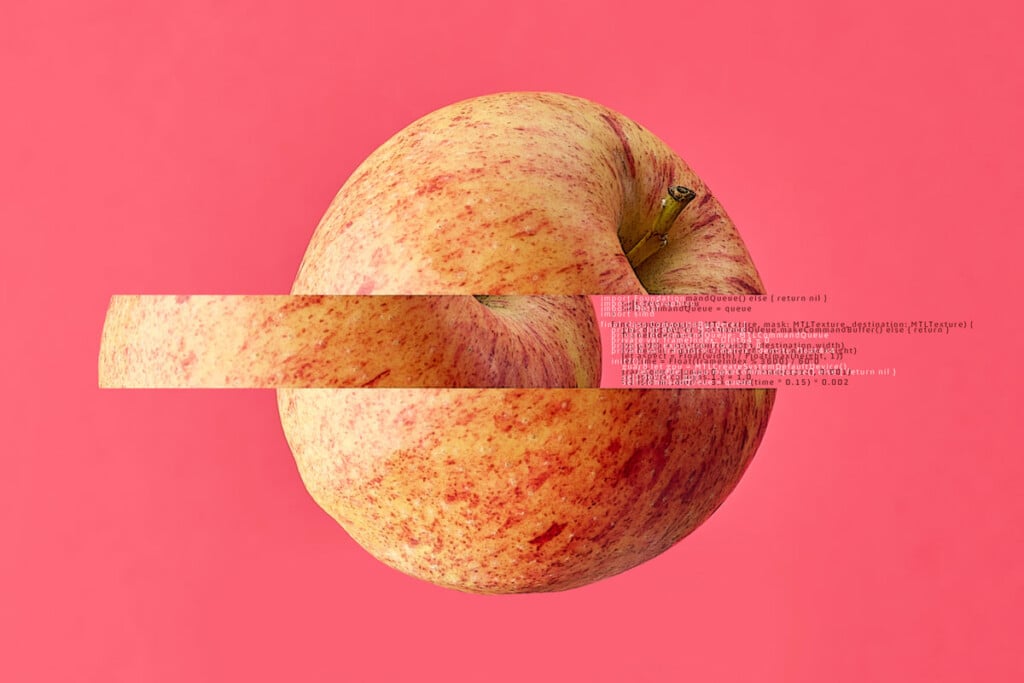
Photo: Envato, Composite by James Nakamura
Like others navigating an increasingly tech-centric world, I’m still figuring out my relationship with AI both professionally and personally. It’s complicated.
As a journalist, the boundaries of usage appear clear, yet things are getting murkier as AI becomes more ingrained and sophisticated. One thing is certain: No editorial stories we publish in HONOLULU, whether in the magazine or on our website, have been or will be written by AI or passed through AI for editing.
Professional journalists intrinsically understand that people read our stories, expecting the reporting and writing to be done by humans. This includes generating our own story ideas. It’s our core offering—original reporting and writing and creative storytelling—and why we exist at all. Readers trust this, and it can’t be violated under any circumstances.
But when it comes to the process of reporting, our editorial team now relies on various tools, including AI transcription tools. When we interview people, we record the conversations, then upload the audio files into the tools of choice. Within minutes, we have Word documents with complete interviews transcribed. These transcripts help us outline stories and draw quotes. It’s immensely helpful and fast.
While working as a newspaper reporter in the early 1990s, I’d interview people in person or attend press conferences with a pen and reporter’s notebook. I’d scribble as furiously as I could to jot down what was said, but I missed a lot. I’d return to the newsroom and type my notes on a computer, sometimes struggling to read my own handwriting. The pressure of having to make sense of my notes and write stories quickly was stressful, to say the least.
Fast forward 30 years and now, not having to write everything down has allowed us to engage more in conversations and give people our full attention and eye contact. It’s made us more impactful reporters.
On the art front, our creative director doesn’t allow any generative AI to be used to create graphics, artwork or images for editorial content in the magazine or online. But the tools art directors use, like Photoshop, have built-in AI tools, so if they clip out artwork, AI can do it instantly. It used to take hours.
All of this is non-controversial in terms of journalistic integrity. But here’s where it gets murky. We’re upgrading our digital content management system to one that has built-in AI tools. One of them can assess our headlines and offer suggestions for improvement. The suggestions would improve our search engine optimization, or SEO, which anyone in the digital space knows is the holy grail of how you get Google and other search engines to showcase your stories. While members of our editorial team all have a good sense of SEO, AI is likely far more clued in than we are on the latest algorithms.
But there’s an art to coming up with clever and strong headlines, something that journalists should master. So do we use AI for headline generation? My answer: No. We have to hold on to the humanness of our work, which relies on brains to come up with ideas, sentences and headlines—sometimes with more nuance than AI is capable of. We could use AI to research effective keywords that would be helpful for SEO, but I believe we shouldn’t use it to generate editorial content.
So things are hardly clear cut with AI, and it’s going to increasingly be the case. It’s here to stay, part of our world, but it’s up to each person, whether it’s for work or for personal use, to set standards, guidelines and consider the benefits and drawbacks of extreme utility.
Diane Seo is the editorial director of HONOLULU Magazine.