Honolulu Stories: The Joy of Aging
I don’t want to be younger and don’t care much about looking younger because I know who I am.
The Worst Tap Dancer in Honolulu by Timothy Dyke | The Joy of Aging by Stephanie Han
Belonging by Deborah Harada | Live a Little by Thomas Iannucci | Pet Mama by Sujatha Raman
Aging is a complicated reckoning for a woman. I’m a writer with a Ph.D. in literature, but lodged in my brain are fad diet facts, not lines of poetry.
* * *
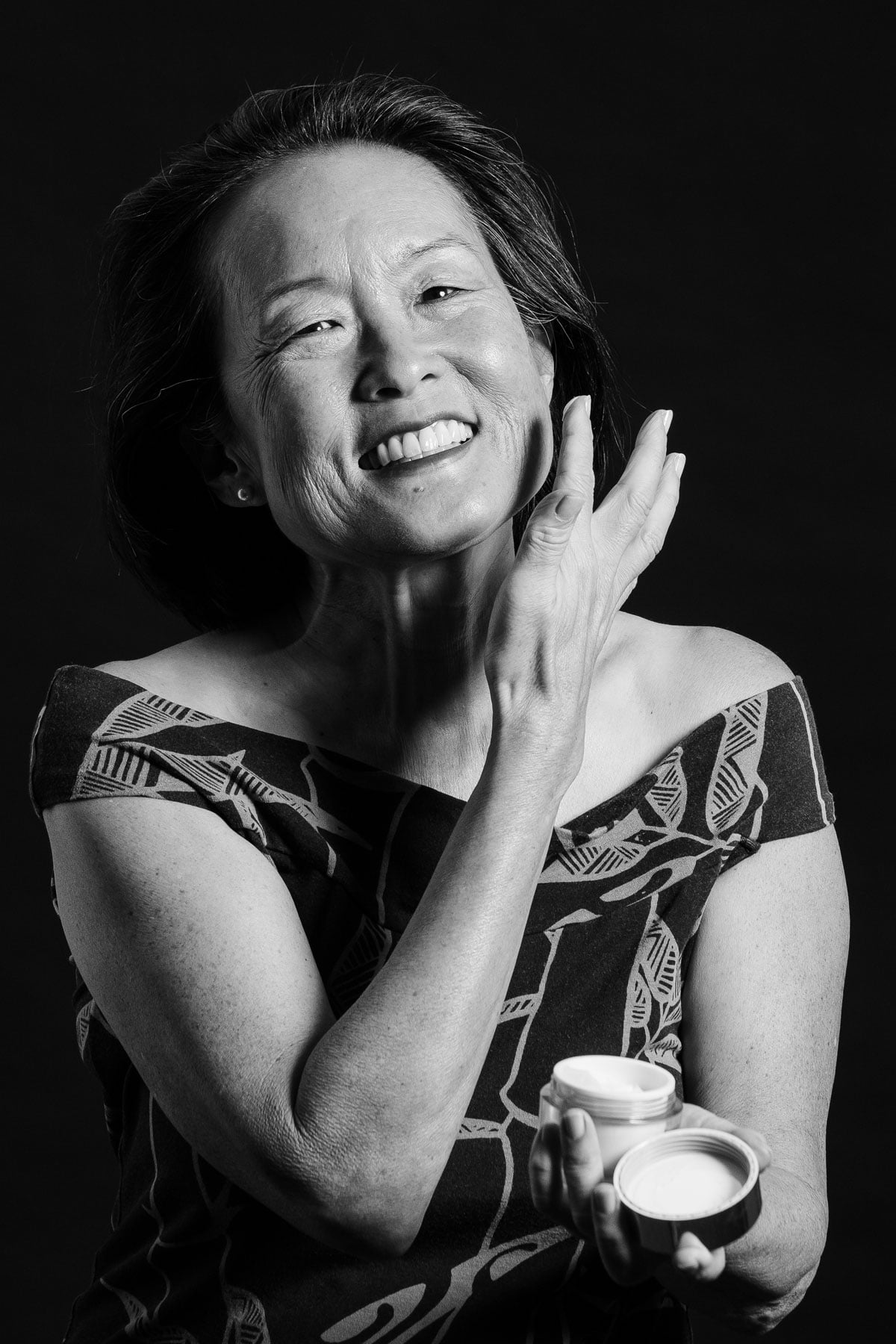
Aging is a complicated reckoning for a woman. I’m a writer with a Ph.D. in literature, but lodged in my brain are fad diet facts, not lines of poetry. The daily necessity of writing may be ingrained in my body memory, but so is the habit of slathering sunblock on my face. Like many women, I’m acutely aware that appearance matters, and admit that much of my life has been spent conforming to definitions of how to look, act and be.
At my age, I’m supposed to be filled with nostalgia and know that my best years have passed. I’m supposed to abandon my dreams, or at least make them a reasonable size: A vast accumulation of wealth and stratospheric status? National Geographic-worthy adventures? An eternal devoted love? No. Not yet.
I say not yet because, while I know that age brings invisibility to women, the only person who needs to see me is myself, and that defiant act, alone, is the ultimate win.
I followed a common arc of life. Marriage, child, years spent seeking exterior validation through certificates and diplomas, awards and property, publication and money—elements that ensured my visibility, but only kept the goalpost moving, higher and farther away from what really mattered: knowing who I am. What brought me back was when my life collapsed after two decades of marriage—I divorced.
When it happened, I was flat broke. Mom cut me a check so I could pay a lawyer. My dad, a medical doctor, handed me two jars of expensive Korean skin care cream, reminded me about UV rays, pointed to my sunspots, and touched the lines on my forehead.
I felt as if all the years of sorrow emerged on my face once I decided to divorce.
“Look, wrinkles!” Dad said.
“Are you wearing sunblock?” Mom asked.
“Yes, I wear sunblock.”
My parents nodded in silence. I thanked them, drove home, shoved the jars in the bathroom drawer, and examined my face in the mirror. I felt as if all the years of sorrow emerged on my face once I decided to divorce. After one of the last arguments I had with my ex, I woke up in the morning with white hair. I was being haunted by the 12-step Korean Skincare Belief System: Youth gone, life over. Save whatever is left of your face. Divorce and appearance intersected in ways that filled me with enormous pressure: If I didn’t magically freeze my edifice, I was headed to disaster!
My close friend earnestly told me: Emotional well-being, the individual inside, not appearances, count more. She was right. The cream remained in my drawer.
And a few weeks later, I was lying on my back staring up at a dim ceiling light getting a facial. “You know you’re Korean when in crisis, you feel like crap, but you don’t want to look like it,” my Korean friend said.
I tearfully told the Korean facialist about my divorce and the gift of face cream from Dad, expecting commiseration. Overcome with feeling she said softly: “Your parents love you so much. So nice. They care, your skin.”
Yet again, I misunderstood what mattered. By giving me the cream, Dad was trying to help me save face in every meaning of the phrase, from real wrinkles to my dignity. Divorce and fine lines be damned. My parents loved me the only way they knew how.
Years have passed since the Korean Skincare Incident. I’m now up early to surf, getting too much sun. I have laugh lines, dye my hair when I remember to throw a box of color on my head, and haven’t visited a facialist in a long time. I don’t want to be younger and don’t care much about looking younger because I know who I am.
After Dad’s stroke last fall, I visited him in the hospital and remembered how Mom said he was always an optimist.
“You have to be an optimist to win,” Dad would say. “When you make a decision, it’s OK. Even if it doesn’t turn out. Move on. You made the decision. Be an optimist to win!”
Letting go of exterior markers, even marriage, and being who I am brought me back to optimism. Joy. Dreams. Love. Everything. I’m winning now. But yes, I still use face cream.
Stephanie Han is the author of “ How to Write Your Divorce Story” (e-guide) and the “woman. warrior. writer.” newsletter. She teaches writing workshops at drstephaniehan.com.