How and Why Little Plum and Lady Elaine Lowered Many of Their Prices
“We don’t want to be too cool for school,” Dusty Grable says. “We want to be busy, and if that means lowering prices, we’ll do it.”
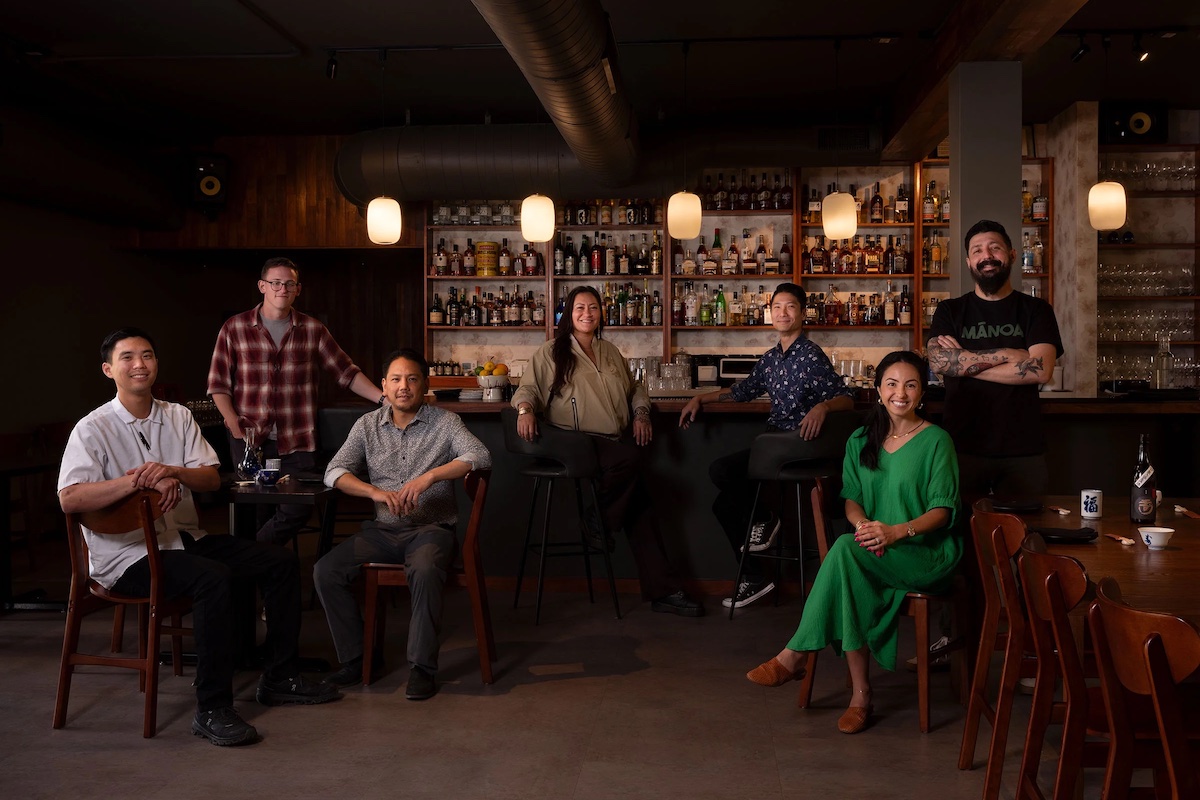
Dusty Grable, far right, with Lovers + Fighters restaurant group partners. Photo: Olivier Koning
The world of late has produced more than a few wait, what?! moments. One of the nicer ones came via a text from Frolic contributor Melissa Chang, who ran into the 2024 Hale ‘Aina Restaurateur of the Year at an event last week:
“I saw Dusty Grable and he said Little Plum and Lady Elaine actually lowered their prices,” she texted. “They have some new menu items and some smaller dishes and the latter has actually resulted in higher order volume because it enables customers to try more things.”
Wait, what?! I called Grable, whose Lovers + Fighters owns the two Mānoa restaurants. Since the holidays, he confirmed, both have restructured and lowered prices across significant swaths of their menus, particularly at lunch. My only questions for Grable were how and why exactly? Here’s what he told me, edited minimally for clarity and brevity.
Back in October, November, we were doing a lot of reflecting as a team. What’s going well? What’s not going well? What are people saying that doesn’t align with what we hope to be? Kind of a common thread was something we really strive to be, which is affordable, approachable, good-value neighborhood restaurants.
There’s a lot of ways we could justify our prices. In fact, I would comfortably have that conversation with anybody about what it takes to run a good restaurant and serve good food. But people don’t want to have that conversation generally.
This industry is hard. I hope that instead of thinking about what’s out of our control, we’re constantly looking inward: What can we do? What can we control? Swallow our pride, not look out from a victim-y stance. Let’s be proactive and be appreciative of the people who come out and support. How do we get them to come a couple of times a month instead of once?
SEE ALSO: Dusty Grable’s Little Plum Opens at Mānoa Marketplace
We want to be Mānoa’s neighborhood restaurant where people can gather and celebrate, but also just pop in for a quick meal. The design of our spaces, the size of our spaces, our full bars, I think that worked against that. Prices played into that. We’re not gonna redesign the restaurants to be less fancy, so what can we do?
We don’t want to be that too-cool-for-school restaurant. We want to be busy all the time, and if that means lowering prices, we’ll do it.
[Adjusting prices] during the holidays was intentional. We thought if there’s a lot of guests that are only gonna join us for the holidays, have them drive into Mānoa, what impression do we want to make? How do we want to introduce or reintroduce ourselves? I don’t think people’s perceived value comes from [the costs of] décor or air conditioning or nice bathrooms, they think of what goes into an entrée.
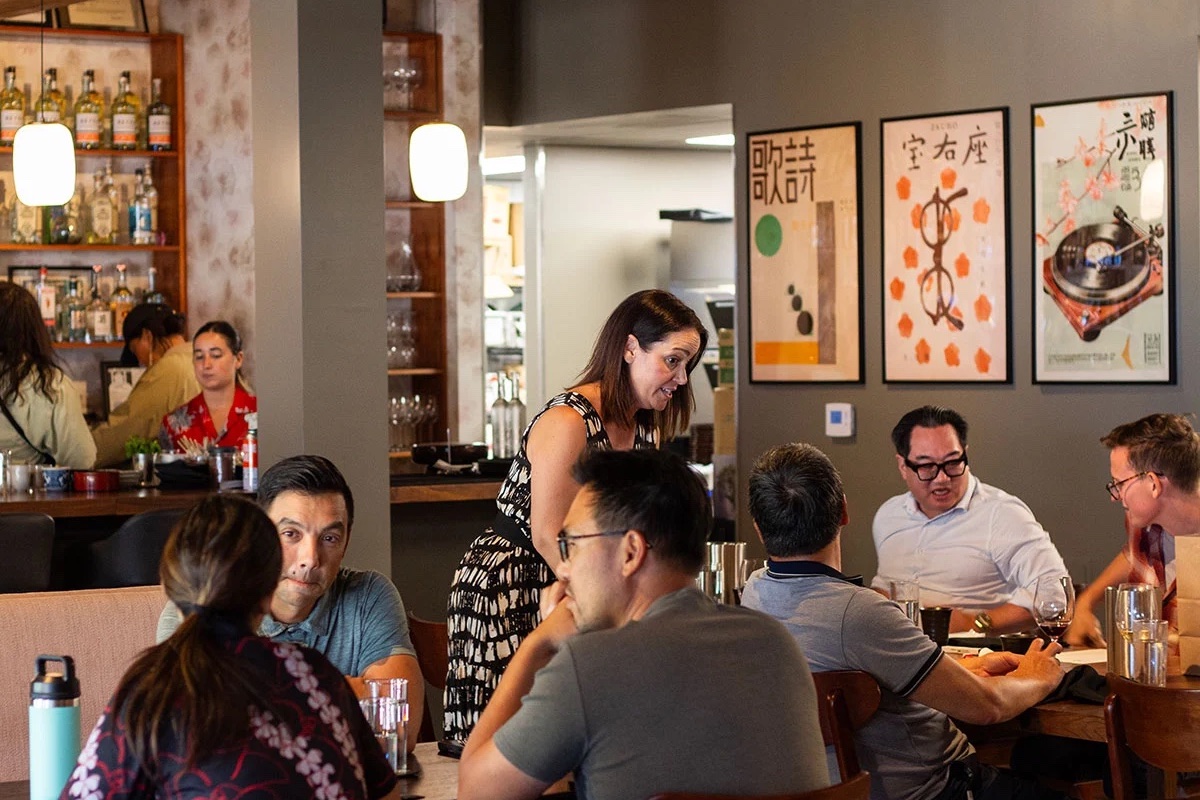
Little Plum. Photo: James Nakamura
Lady Elaine especially, with such a large space, to have high checks and a half-empty restaurant, we never wanted that. At the end of August, September, October, we had some pretty scary days, if not weeks.
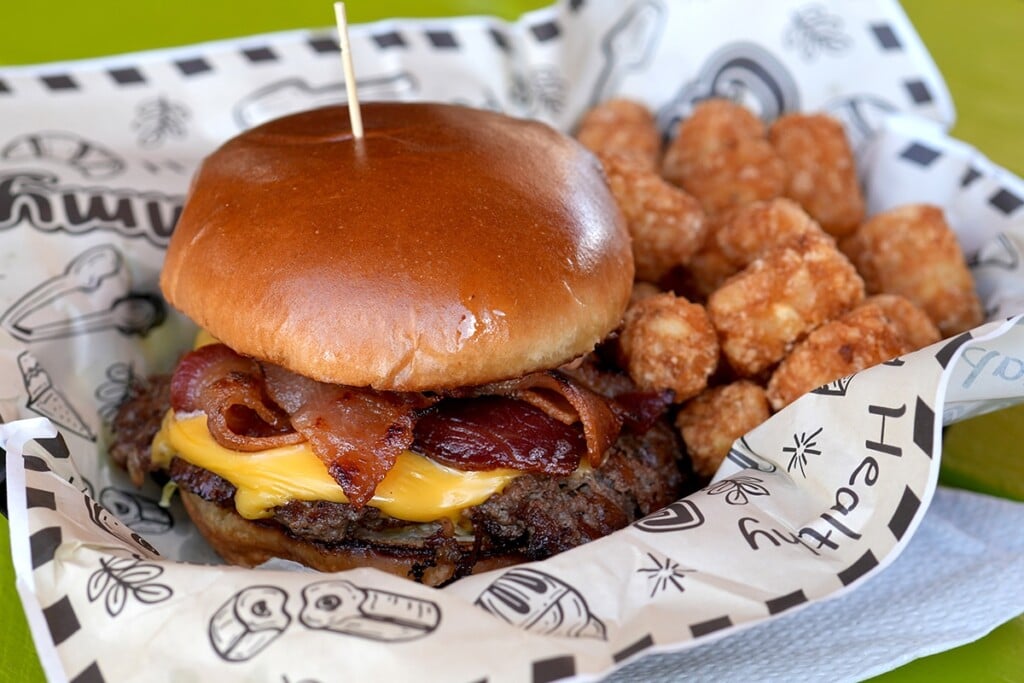
The few items that were lunch and dinner were full dinner sizes. We realized people wanted smaller portions at lunchtime. So it wasn’t about prices necessarily. We committed to bowls that are a complete meal with a starch and protein for $16—like a local catch mahi mahi with lemon vinaigrette and peperonata on rice pilaf with a small green salad. They’re light, flavorful and complete. That’s been incredibly popular even with people that aren’t going back to work, like aunties who come in for lunch. We keep hearing that it’s the perfect size.
Another example is we feature the Breadshop’s City Loaf with our house-made butter. I think a lot of people were struggling with paying for that bread and butter, especially if they were going to Paesano, where bread and butter were free. If anybody knows the Breadshop, you know that bread’s value and deliciousness. Do we remove that from the menu? That didn’t make sense, especially in supporting Breadshop or getting more guests to dine with us. It didn’t sit right. But it was on the table because it was doing damage to our perception: “They charge for bread and butter, and they charge a lot for it.”
SEE ALSO: The Hospitalitarian: Dusty Grable Is the 2024 Restaurateur of the Year
We were like, what cost are we ready to commit to to support Chris [Sy, Breadshop’s owner], that enhances the dining experience and have guests feel great about it? So now, we’re offering six slices instead of four, and the price came down from $9 to $7.
We’re running like a 50, 55% cost on one of our most popular items, and that’s bad business, unless you can fold it into everything else and justify it. But that’s one of the first things people noticed.
Now, even though guests are spending less, there’s more of them enjoying with us. We’re still looking at data to make sure it was a wise decision. But yeah, it was kind of a risky move.
Little Plum was going well, and I don’t think there was any demand for changes. But also, who’s not coming because of some preconceived idea about who we are and how expensive we might be? Just because guests are joining us doesn’t mean they’re enjoying all of our offerings. They might come in and split a meal, not have drinks or cocktails. So we had guests in the space, but our numbers …
We’re putting the control in the guests’ hands to spend as little as they want to instead of getting a complete meal with miso soup and tsukemono. We removed the teishoku category, and we created a category called Littles, with mini banchan-size items you can add on, like onsen egg, shoyu egg, namul. We made the menu more à la carte—a meal can be as simple as a protein and rice.
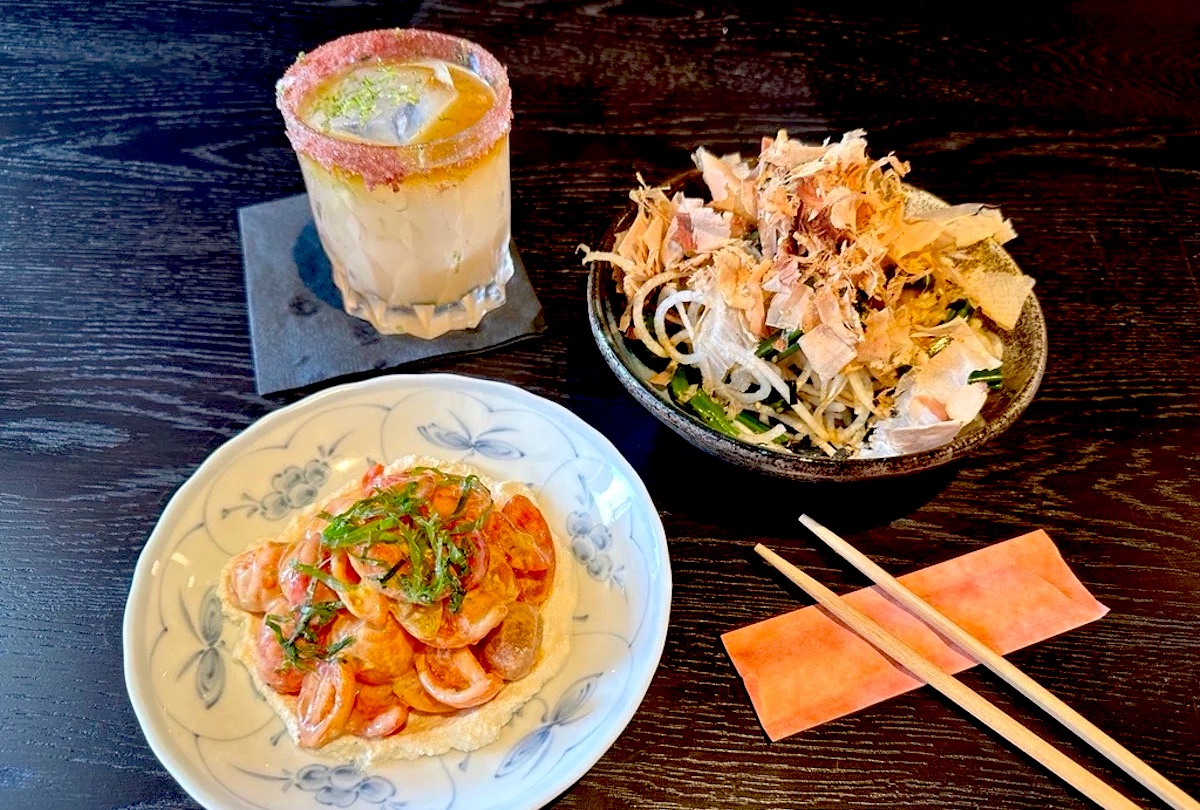
Photo: Mari Taketa
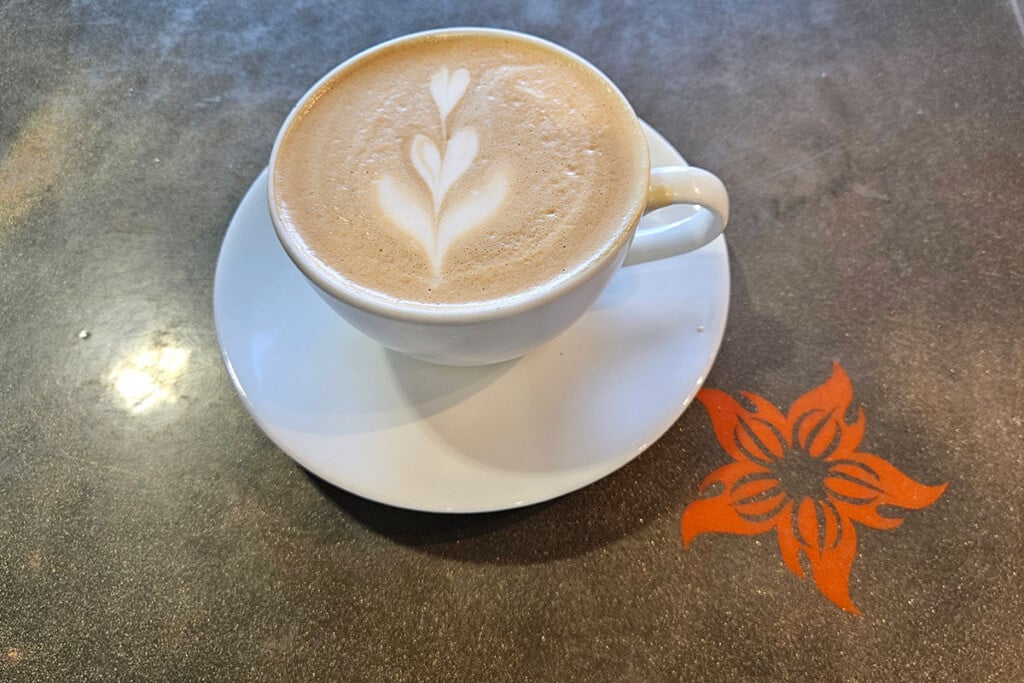
The big one at both restaurants was beverages. It’s hard to get a craft cocktail for less than $15, $16 these days. And I understand why. The processes, the ingredients, the talent that goes into it, tariffs. But $16 is hard. It’s not like Chinatown. I don’t think Mānoa is associated with cocktails, period, let alone a $16 one.
So we’ve added classics at a $12 starting point like old fashioned, daiquiri, manhattan. Doing that is to earn trust. If you’re dining with us for the first time, “I hear the Rock Salt Plum [cocktail] is good but wow, $16. Let me try the Kō Hana daiquiri for $12.” And then, “Now, that I’ve had the daiquiri and loved it, maybe I can consider the $16 cocktail.”
SEE ALSO: A New Generation of Mixologists Is Raising the Bar for Craft Cocktails
I think it was a really healthy exercise, and the response has been incredible. As much as it was to entice new guests, our regulars were generous with their compliments. “Wow, the prices went down, and we would gladly have paid the old prices.”
We’re trying to live up to perceived value and behave truly like a neighborhood restaurant where people can dine in last-minute and not plan for a special occasion. Our business levels post-holidays have continued to reflect people’s appreciation for the lowered prices.
Instead of trying to defend or explain, we just want to be more creative with our own solutions.
SEE ALSO: Why Your Plate Lunch Is Becoming a Luxury
Mari Taketa is the editor of Frolic Hawai‘i and dining editor of HONOLULU Magazine.