How the Arts Benefit Kids
Children and teens gain cognitively, socially and in many other ways when they take part in music, dance, visual arts and theater programs.
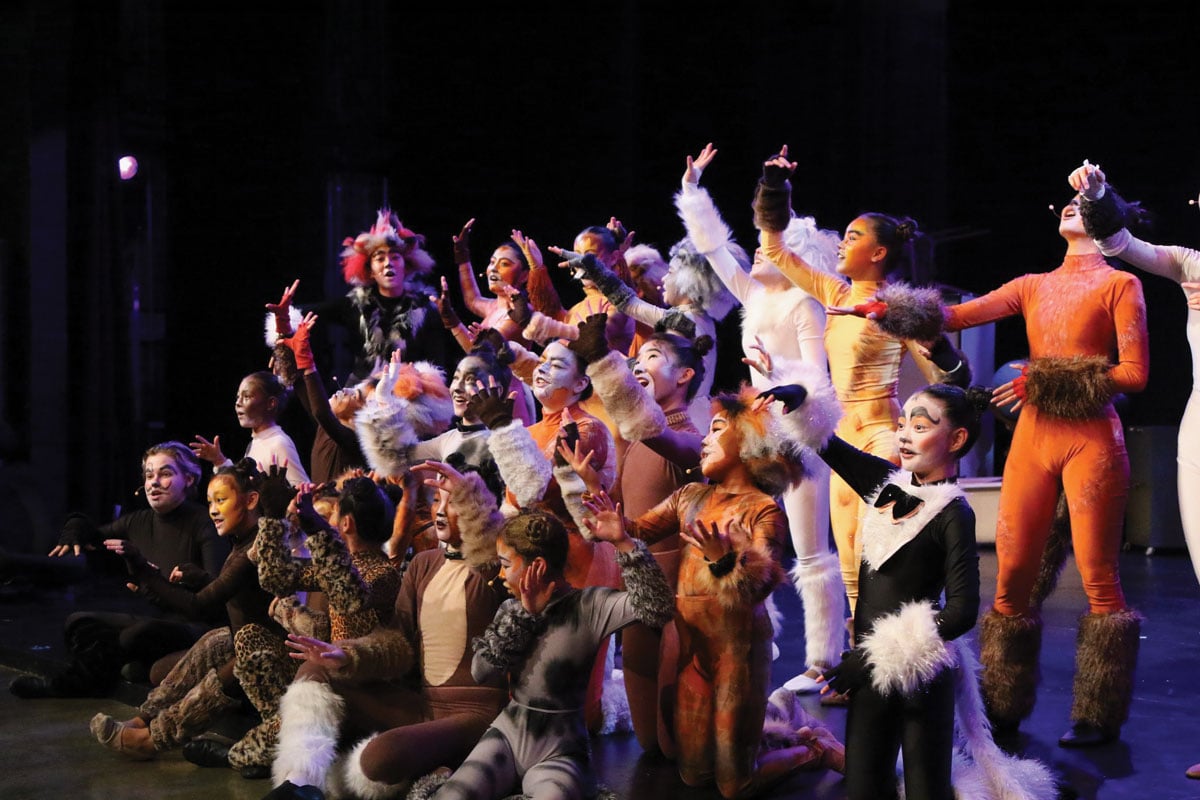
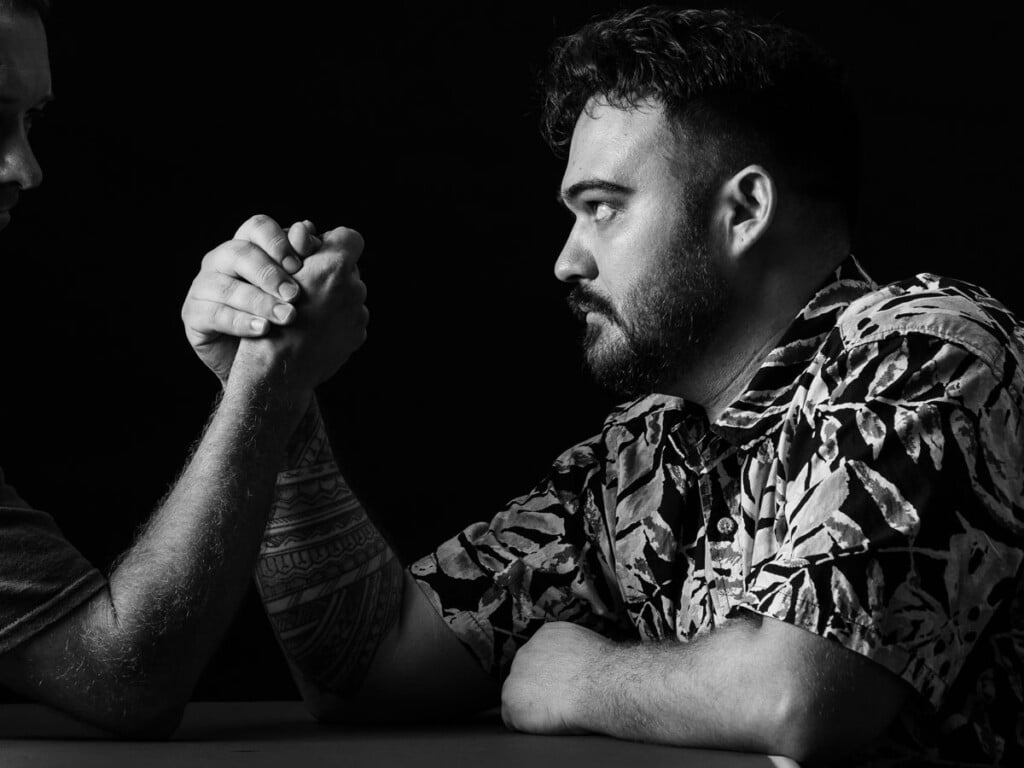
Randy Wong cultivated a love for playing the bass while performing years ago with the Hawai‘i Youth Symphony. And while his elementary school had only 25 students per grade, he made lots of friends from across the state who shared his passion for music. “We grew up together, and we had really caring mentors who helped us move forward,” he recalls.
Now as president and CEO of the 61-year-old organization, Wong guides current generations of students, who are reaping similar benefits from the symphony’s numerous year-round programs. During the summer, the symphony holds its long-standing five-week Summer Strings orchestra program for those ages 8 through 18 who want to learn to play the violin, viola, cello or bass. While that program is for kids and teens with no musical experience, the symphony also has intermediate and advanced music classes, an advanced ‘ukulele workshop and many other programs. Between 350 and 400 students participate each summer.
SEE ALSO: HONOLULU Family’s 2026 Hawai‘i Summer Programs Guide
“There are many different ways kids can develop themselves through music, and we want them to have a whole suite of opportunities to find their own path,” says Wong, who now plays bass professionally with the Hawai‘i Symphony Orchestra. “Music helps us to understand ourselves, and how to communicate, work and interact with others.”
There’s also a correlation between music and learning math, Wong adds. “When kids are learning how to read music at an early age, they’re unlocking an understanding of a coordinate system, so by the time they’re in middle and high school, they can interpret a graph, understand a coordinate system or extrapolate data because they’ve been doing that already through their musical studies.”
Far More Than Just Something to Do
As parents consider summer activities for their children, they may be focused on just keeping their kids busy. But researchers and those involved in local arts programs say there are far more benefits to enrolling them in visual arts, music, theater and dance programs than they may realize. One significant benefit: Music and other arts enhance the brain—and there’s ample research to support this.
A groundbreaking study, published in various journals from 2016 to 2020, was conducted by Assal Habibi, a neuroscientist and psychologist at USC’s Brain and Creativity Institute. Habibi spent several years studying the effects of music on the brain development of underprivileged children enrolled in a music education program with the Youth Orchestra Los Angeles. The children studied were periodically compared with kids participating in a soccer program and those who weren’t involved with any organized after-school activities. The researchers found that music training helped the parts of the brain involved with sound processing, language development, speech perception and reading skills, and that it also helped the kids to focus, make decisions and control impulses.
Citing Habibi’s studies as well as her own research, Susan Magsamen, co-author of the book Your Brain on Art: How the Arts Transform Us, says the arts enhance neuroplasticity in the brain, but also the respiratory, circulatory, immune and other systems within the body. “The brain-body connection is amplified,” she says. “It’s been found that children’s brains literally get structurally bigger, which means they have more capacity for cognition. So kids who have arts experiences over a period of time have basically faster brains and actually bigger brains.”
The process of making art also builds specific kinds of skills, including those that guide executive function and decision-making, says Magsamen, founder and executive director of the International Arts + Mind Lab Center for Applied Neuroaesthetics at Johns Hopkins University School of Medicine. “Building these executive function skills are super important. It helps develop focus, discipline and patience. The arts also enhance people’s mental health and well-being by lowering cortisol and helping us move back into homeostasis. That’s a really important way to manage our bodies and our mental well-being.”
Along with tangible physiological benefits, music and the arts give people a sense of belonging and social connection, she adds. “If you’re in a camp and doing a group mural or learning how to dance with others, you’re learning how to connect. You’re also building self-esteem, self-expression, self-awareness.”
The Arts Are Alive in Honolulu
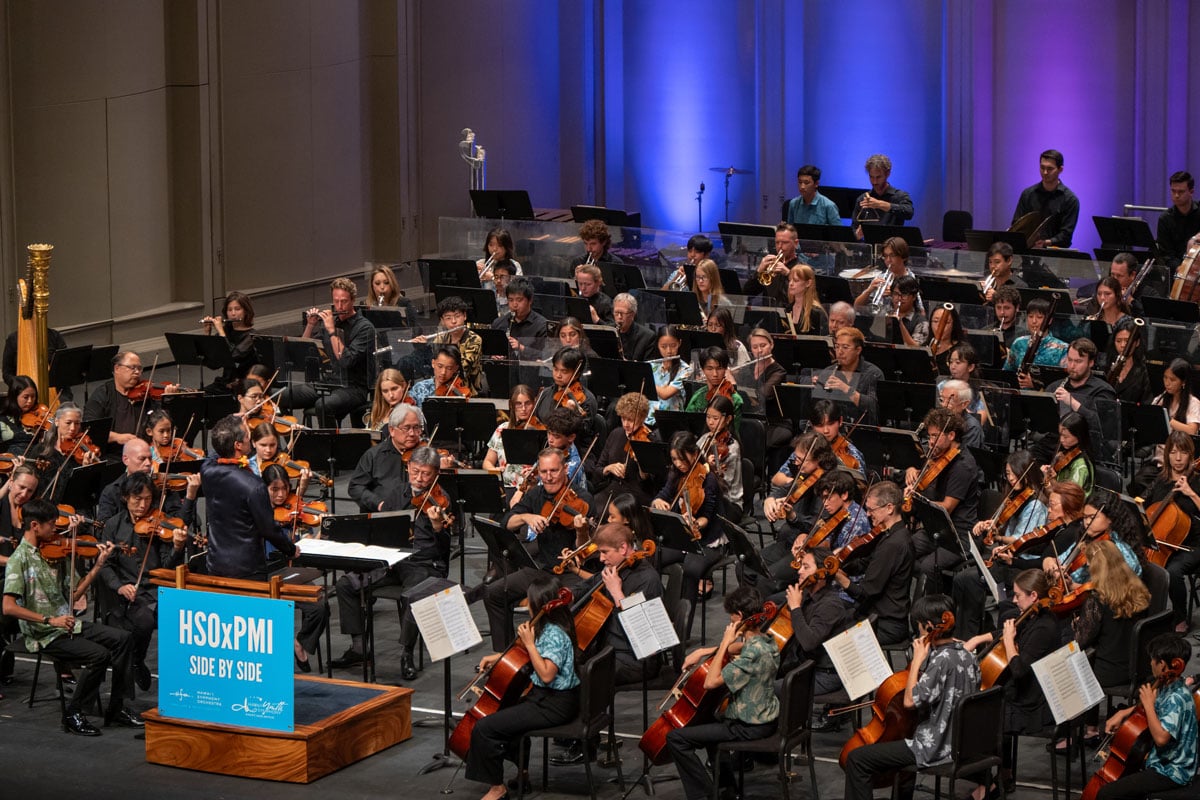
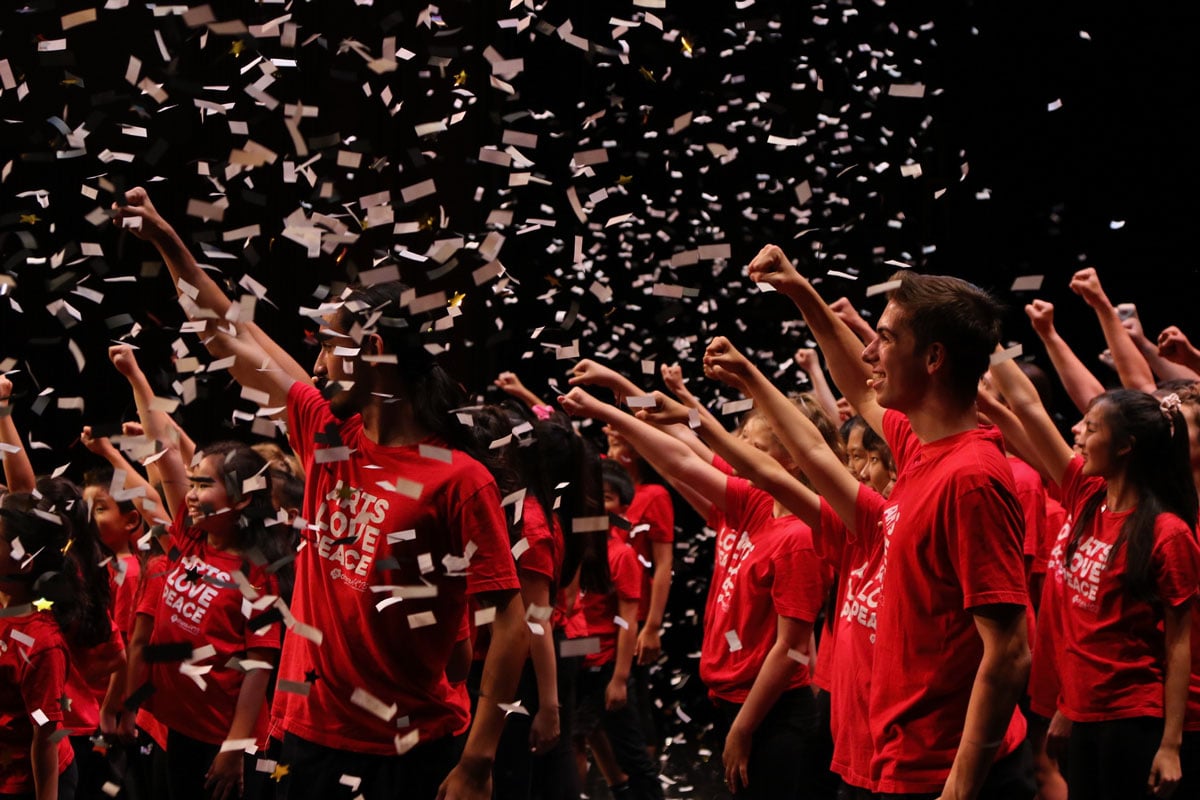
Every summer, ‘Ohana Arts holds its musical theater program at UH’s Kennedy Theatre for about 100 students in grades 1–12. Over the years, the organization has staged dozens of musical theater productions, sometimes taught by actors and singers with Hawai‘i roots who have performed on Broadway. Students in the program dive into acting, dancing and music, and take part in a musical theater performance before a live audience.
“What we’re trying to do is inspire students by being part of a family,” says Laurie Rubin, co-founder and co-artistic director of the program. “We feel like one way to unite people is through the arts. When you’re celebrating the arts, it brings people together and differences melt away.”
After running the program for many years, Rubin says one of the biggest benefits she’s seen is the self-confidence that students develop. “I’ve seen kids who are terrified when they walk in the door and then act like they own the place by the end,” she says. “I’ve seen this year after year after year, and it’s one of the most rewarding things to see shy kids suddenly come into their own.”
She also recalls a dyslexic student who was a reading level behind when he started with ‘Ohana Arts as a second grader. But by the end of third grade, he had not only caught up with his classmates in reading, he had surpassed many of them by a whole grade level. “His parents attributed this to the fact that he was so motivated to learn his lines and to keep up with his castmates,” Rubin says.
Dancing Is Good for the Body and Brain
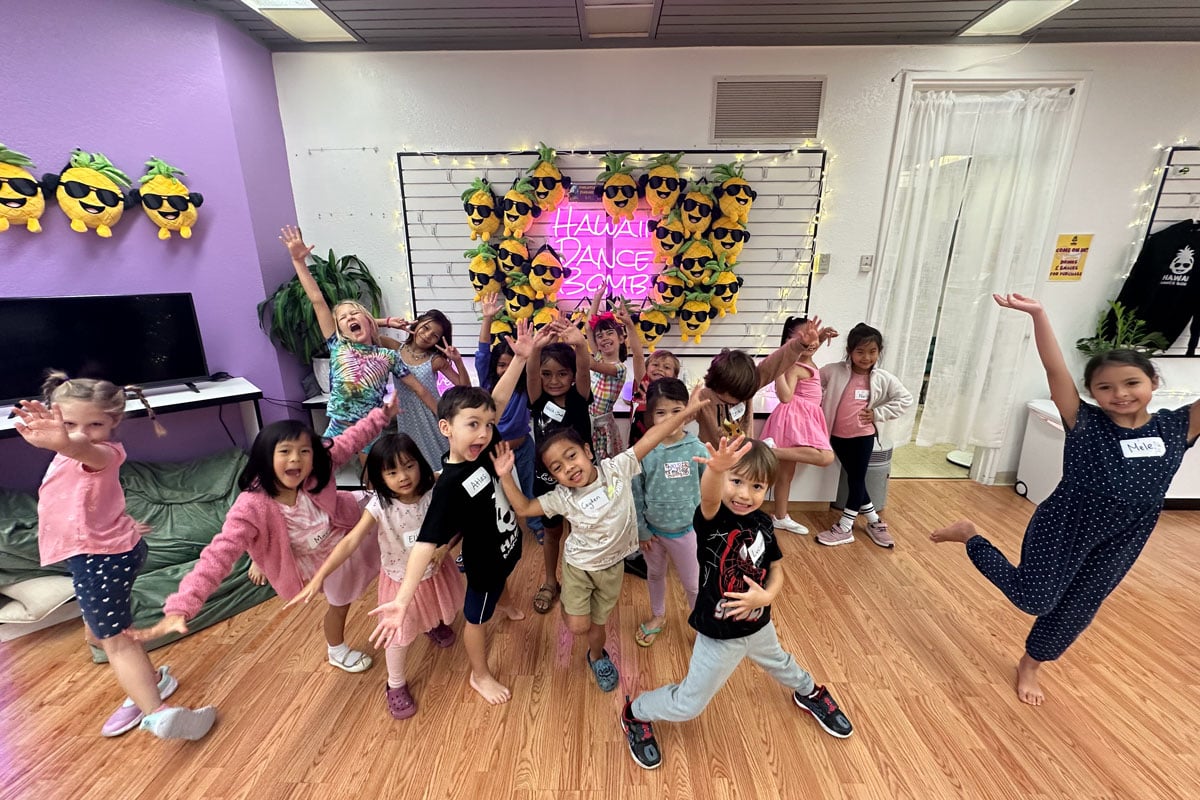
Hawai‘i Dance Bomb, now in its new Mō‘ili‘ili location, offers a summer camp for kids to learn about dance and choreography and take part in arts and crafts, dance games and performances. Students can enroll in the camp, from June 1 through July 31, for any period of time, even just a day.
Through her many years teaching dance, founder Miranda Rudegeair has witnessed how kids benefit when they’re active, moving and interacting with others.
“It’s really good for kids to move, be in their bodies, and not be in their heads all day,” she says. “I went to a conference, and this whole lecture was about how if you sit down for too much of your life, or aren’t social, you’ll die early. When you’re moving, you’re physically connecting with other people. You’re keeping your body and brain alive by dancing.”
Researchers Couldn’t Agree More
When students participate in summer arts activities, whether it’s music, dance or something else, they’re more likely to avoid what has become known as “the summer slide,” a term coined by Karl Alexander and the late Doris Entwisle, sociologists at Johns Hopkins University. In their widely known research, which was initiated in the 1990s, they followed 790 randomly selected Baltimore students beginning in first grade. Rather than simply studying changes in test scores from one grade to the next, Alexander and Entwisle compared changes in test scores during the school months to changes that occur in the summer months.
What they found was that children from Baltimore’s low-income areas learned at the same rate as middle-class students during the school year but by the time summer had ended and the new school year had begun, those low-income kids were found to have fallen much further behind. While students from more affluent families tend to take part in summer camps and music or art lessons, poorer children do not and, as such, they forget more of what they learned the previous school year. The “summer slide” created wider learning gaps each year. By the end of fifth grade, the difference in verbal abilities between poor and more affluent students was more than two years, and a year and a half in math.
“We need to come up with some creative ways to put a stop to this free fall, whether through year-round schooling, juggling the school schedule so that it is spread out throughout the year, or through effective summer programs that keep kids actively engaged in learning over the summer,” Alexander said in a news release about the study. “Kids who do activities actually go back to school at grade level or above. Kids who don’t have those activities usually come back below grade level and then they have to catch up cognitively. … It’s really a devastating reality to not having these kinds of summer experiences.”
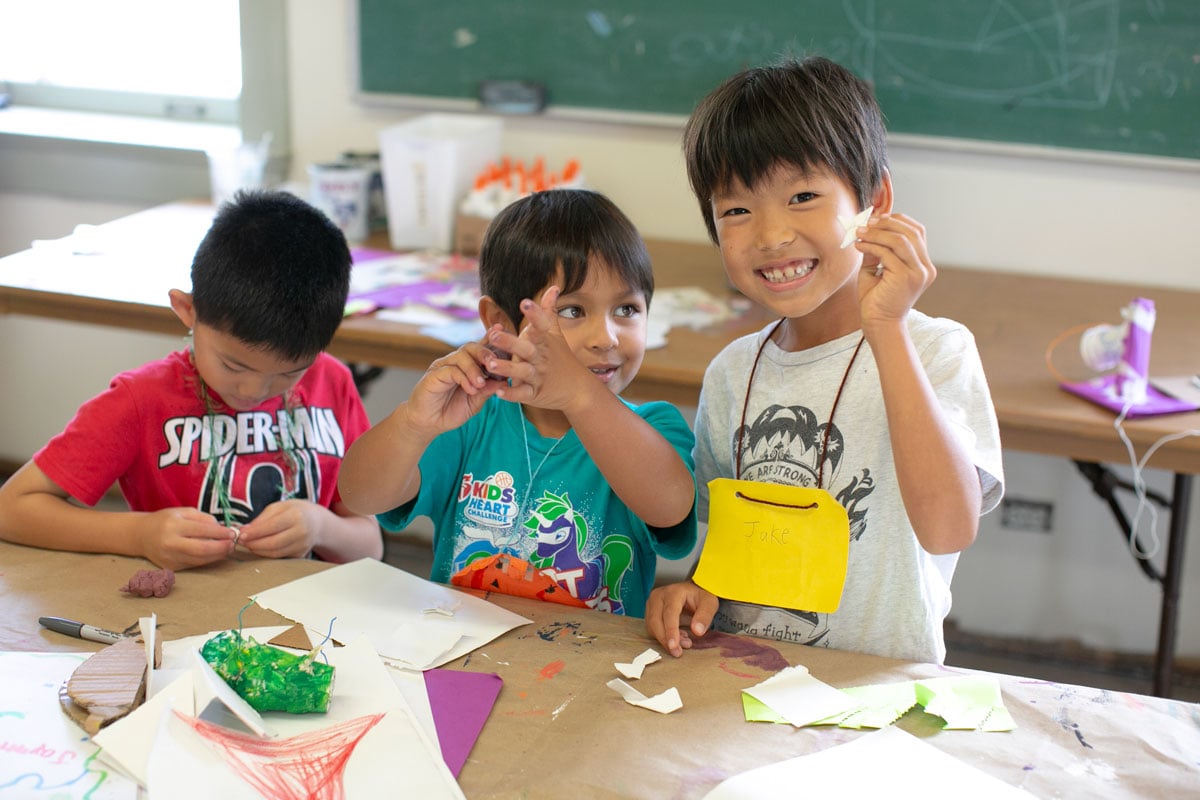
Dennie Wolf, considered one of the leading arts and human development researchers and evaluators in the country, says the arts are a fundamental component of what humans need to survive and thrive, and each artistic endeavor offers unique benefits. For instance, she says, in the visual arts, children develop eye-hand coordination and the power to observe. With music, children learn how to sing together or accompany each other, and in theater, they learn how to imagine themselves as other people or characters, which develops empathy. Dance, meanwhile, requires learning how to communicate with every part of your body.
“So, yes reading, yes math, yes baseball, yes chess, but also yes singing, yes drawing,” she says.
Diane Seo is the editorial director of HONOLULU Magazine.