Honolulu Stories: Belonging
I hadn’t initially planned to take on a new surname later in life, tied to an ancestry that clearly wasn’t mine.
The Worst Tap Dancer in Honolulu by Timothy Dyke | The Joy of Aging by Stephanie Han
Belonging by Deborah Harada | Live a Little by Thomas Ianucci | Pet Mama by Sujatha Raman
* * *
I hadn’t initially planned to take on a new surname later in life, tied to an ancestry that clearly wasn’t mine.
* * *
I like to picture my father-in-law, Don, standing at the kitchen window facing Kāne‘ohe Bay, telling his favorite story about sharks. I also picture him in the driveway, broom and chiritori in hand. After sweeping, he’d stare at the Ko‘olau Mountains and tell stories about the guys he grew up with. A favorite was how they would yell sayonara moostache at the sensei before cracking up and running out of Japanese school. This is how I learned the word kolohe. This is also how I learned to belong here.
As time passed, Don’s stories grew fantastical. Memories slid into each other. Facts, truth and timeline were not exactly relevant. He brought the past forward the way Alzheimer’s patients do—connections summoned other connections, invisible to us but clear to him. All of it was true and quite possibly none of it was really his direct experience. But that didn’t matter. He would talk story and point across to the Ko‘olau Range, the beautiful backdrop for his entire life.
My husband, Dean, and I moved to O‘ahu back in 2021 and lived with his parents for a year. I’d visited Hawai‘i a handful of times when we decided to come help care for Don. As primary caregiver, Dean’s mom, Amy, was carrying too heavy a load. But she taught me the phrase hele on when we lived with them and I tried to help too much.
Before Hawai‘i, I’d lived in LA, Minneapolis and New York, but I spent my childhood and college years in New Jersey. Gradually making my way west wasn’t a long-term, deliberate plan. When Dean and I married, I took his last name and became Deborah Harada. I hadn’t initially planned to take on a new surname later in life, tied to an ancestry that clearly wasn’t mine. My ancestors were solidly English and Eastern European. Dean’s came to Hawai‘i during the monarchy as plantation workers. But the name change helped me let go of the pain of my first marriage.
My father-in-law wasn’t surprised by anything about me.
People have told me after I’m on-island for 10 years, it’ll start to be home. But there’s a lot to navigate. I’ll never be kama‘āina even though I get the discount. I recently discovered I have an ancestor who taught David Malo, a Native Hawaiian historian of the Kingdom of Hawai‘i. I’ve been invited to participate in workshops for Asian American writers. Dean and I joke about the surprise that lays in store for people meeting me in person after having only seen my name.
My father-in-law wasn’t surprised by anything about me. I drove him to doctor’s appointments and the senior center. He’d read signs and tell me I was a good driver. I teed up classic jazz or Frank Sinatra in the car, and he’d tap out the complicated beats, putting his anxiety over leaving the house to rest temporarily. Don had played jazz trumpet from the time he was 13. The story of how he found jazz and felt called to play trumpet has been lost to time and Alzheimer’s, but his connection to music was beautiful and deep.
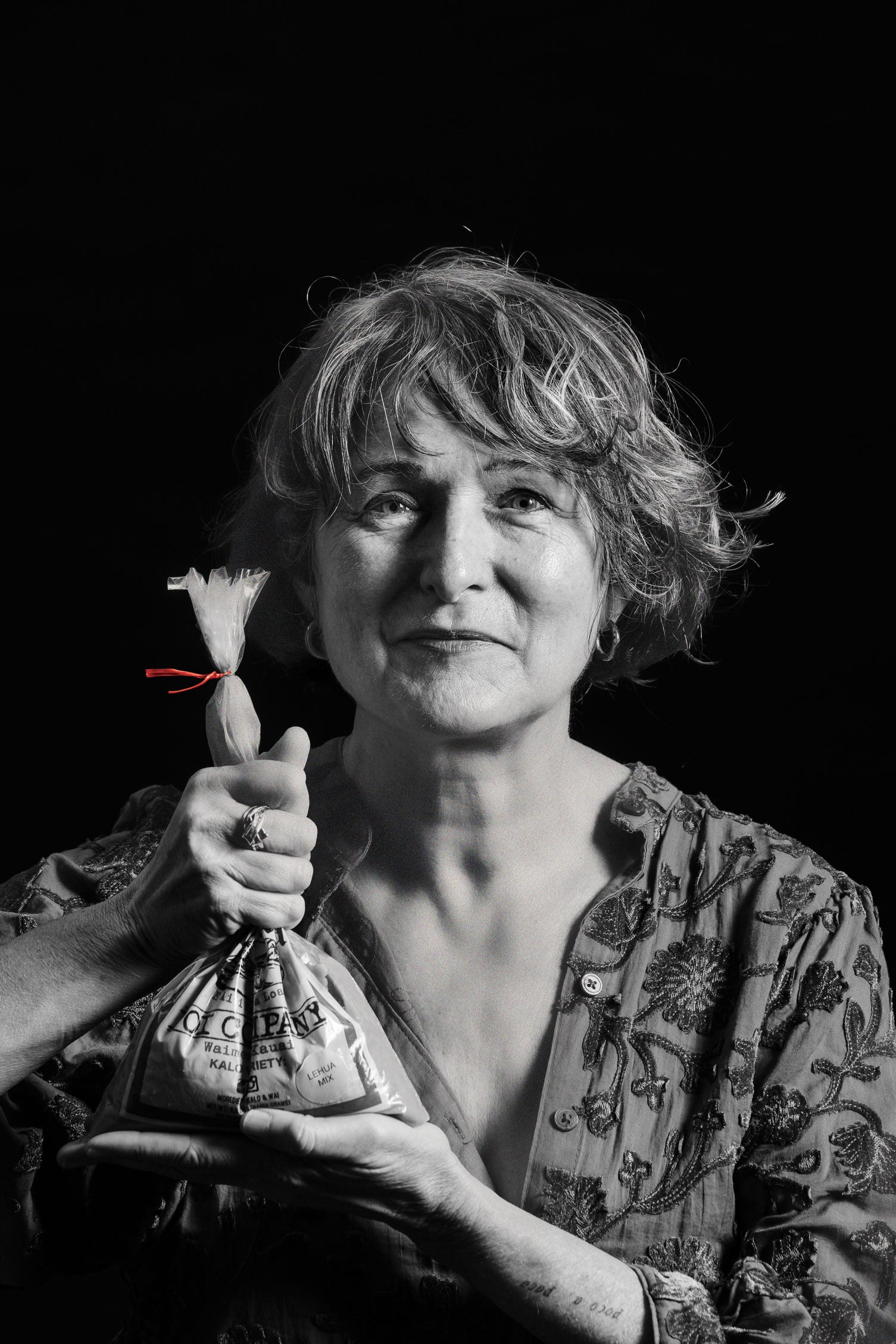
Don was one of my favorite people to cook for. He loved everything I made. We’d watch Wheel of Fortune on the little kitchen TV when I cooked, and he’d cheer when I guessed correctly. He developed a deep love for poi, which meant I learned the twist tie colors at Foodland that indicated the day when the poi was fresh.
Don passed away a year and a half ago. And the thing I remember most vividly is that he never questioned why I lived in his house, made him tuna sandwiches for lunch and helped him with his shoelaces. He’d have seconds at dinner and tell me I was looking good. He never understood that I shared his last name. In fact, he never knew my name. He never called me Deborah, but he did teach me the word ‘ohana. His biggest gift to me was the everyday ordinariness and trust in our connection. I just belonged.
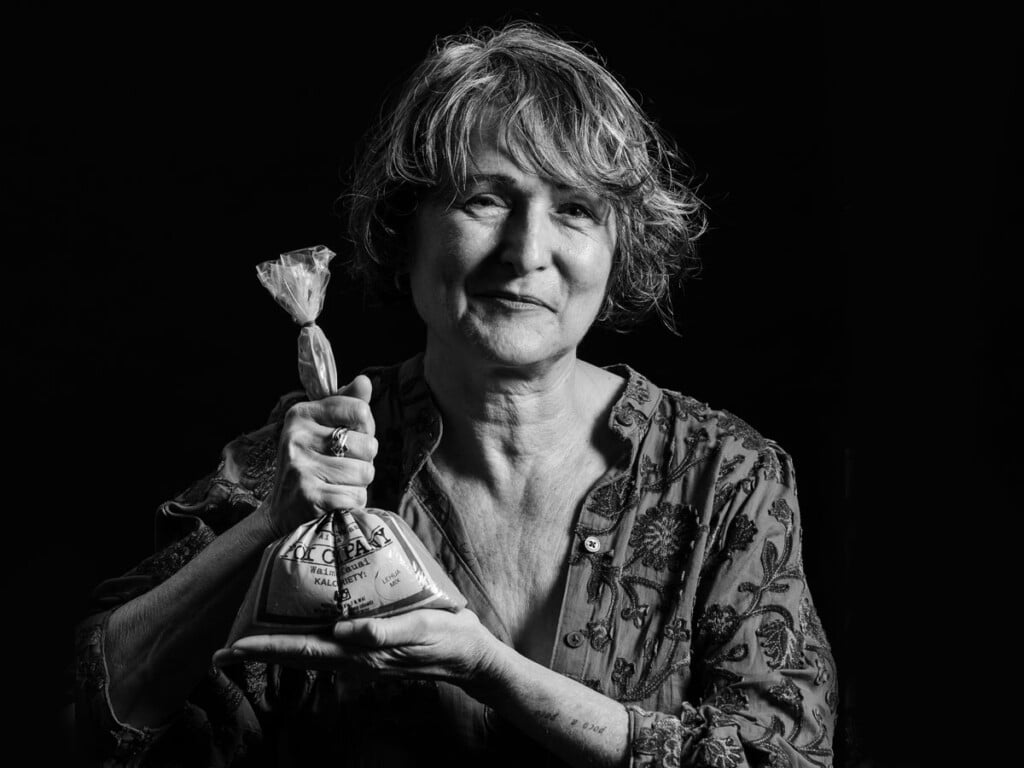
Deborah Harada is a poet and fiction writer living in Kāne‘ohe. She also teaches creative writing and runs the Lō‘ihi Arts Foundation.