Chinatown Through A Lens
It’s edgy, vibrant, dynamic and diverse, and that’s what makes it a focal point for many of our city’s street photographers.
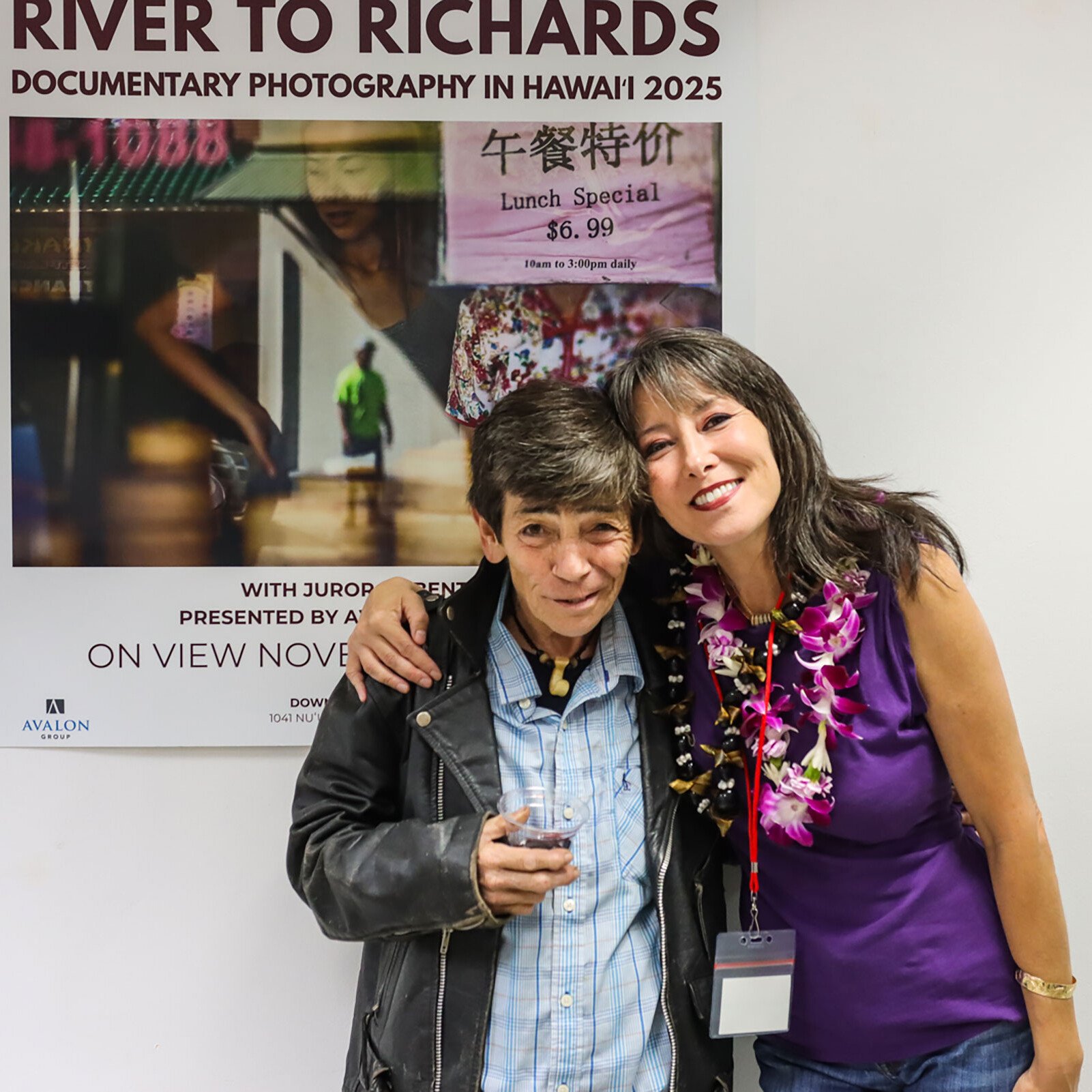
Our inspiration for this photo essay came from the recent exhibit River to Richards: Documentary Photography in Hawai‘i 2025, held late last year at the Downtown Art Center. The juried exhibition showcased photos of Hawai‘i photographers working in Chinatown, from River Street to Richards Street. HONOLULU creative director James Nakamura and HONOLULU photographer Aaron K. Yoshino loved the diverse ways the artists in this exhibit captured Honolulu’s uniquely complex center. Here are some of the photographers who stood out to them and their works.

James Knudsen
Bus Stop 50 collection
Bus stop 50—a gritty Chinatown locale on North Hotel Street near Kekaulike Market—has become a destination for James Knudsen, serving as his visual and sensory muse.
He captured the people, action and surroundings there as part of a street photography project he titled “Bus Stop 50.” To depict his subjects authentically, he waited for buses to come and go; he says many of the people he captured are workers headed to jobs in Waikīkī.
Knudsen, who moved from Japan to Hawai‘i 14 years ago, regards Chinatown as one of the few places on the island with cool backgrounds. “One of the things about street photography is you want the background to be interesting too, not just the people in the foreground,” he says. “And Chinatown has this. That’s what makes it so interesting to shoot.” —DS
James Knudsen is a Honolulu-based educator and photographer who focuses on street and urban-landscape projects. jamesknudsenphotography.com, @jamesknudsen45
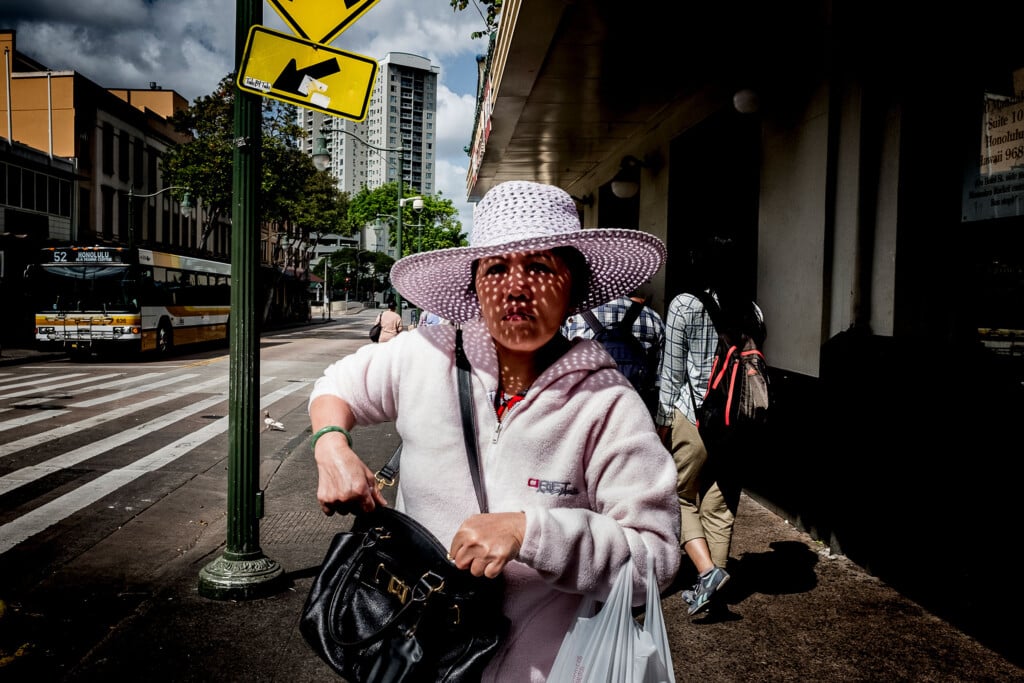
Photo: James Knudsen
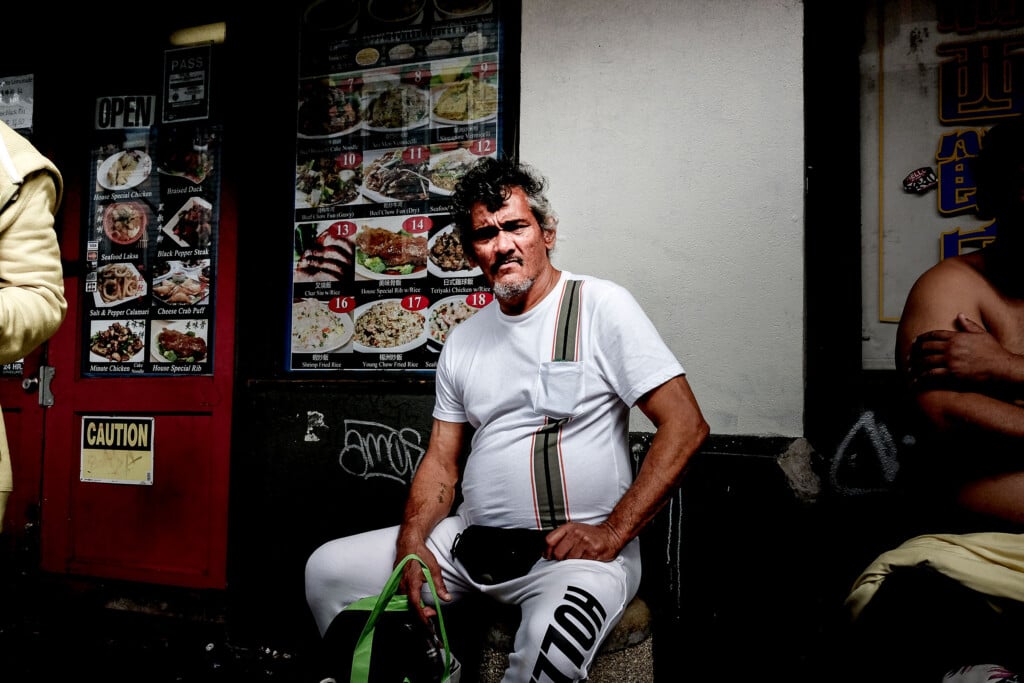
Photo: James Knudsen
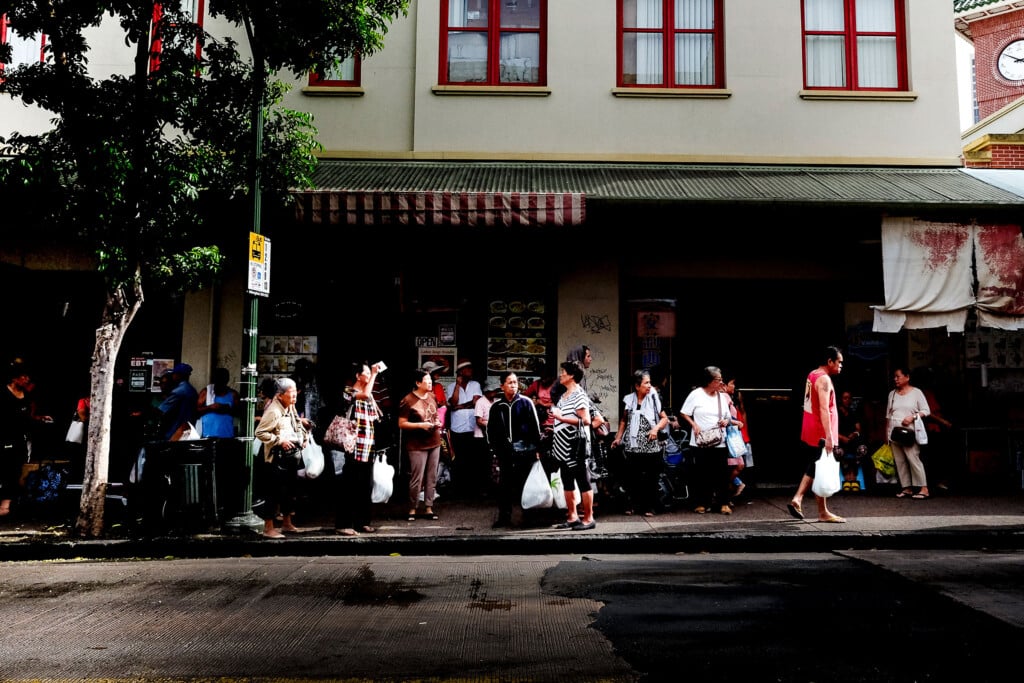
Photo: James Knudsen
Howard J. Wolff
Smoker
Howard J. Wolff almost never goes to Chinatown without his camera. “There’s always something worth photographing, whether it’s a person, place or a moment in time,” he says. “It’s historic, seedy, colorful, bustling.”
The photos featured here were shot a few years before the pandemic, in and around Chinatown’s legendary marketplaces. As a street photographer, Wolff doesn’t ask people to pose. What caught his attention as he shot the “Smoker” was the beautiful natural light at the time, as well as the man’s face, posture and background. “I didn’t want to approach him to have him be anything other than authentic, so all I did was lift my camera, look at him to catch his eye and gave like a little upward nod to ask the question, ‘Is it OK if I take your picture?’ nonverbally,” Wolff recalls. “He gave me a downward nod. I just did two clicks and walked away and knew that I had a great shot.”
He describes the end result as a “moment-in-time photo that can’t be duplicated.” —DS
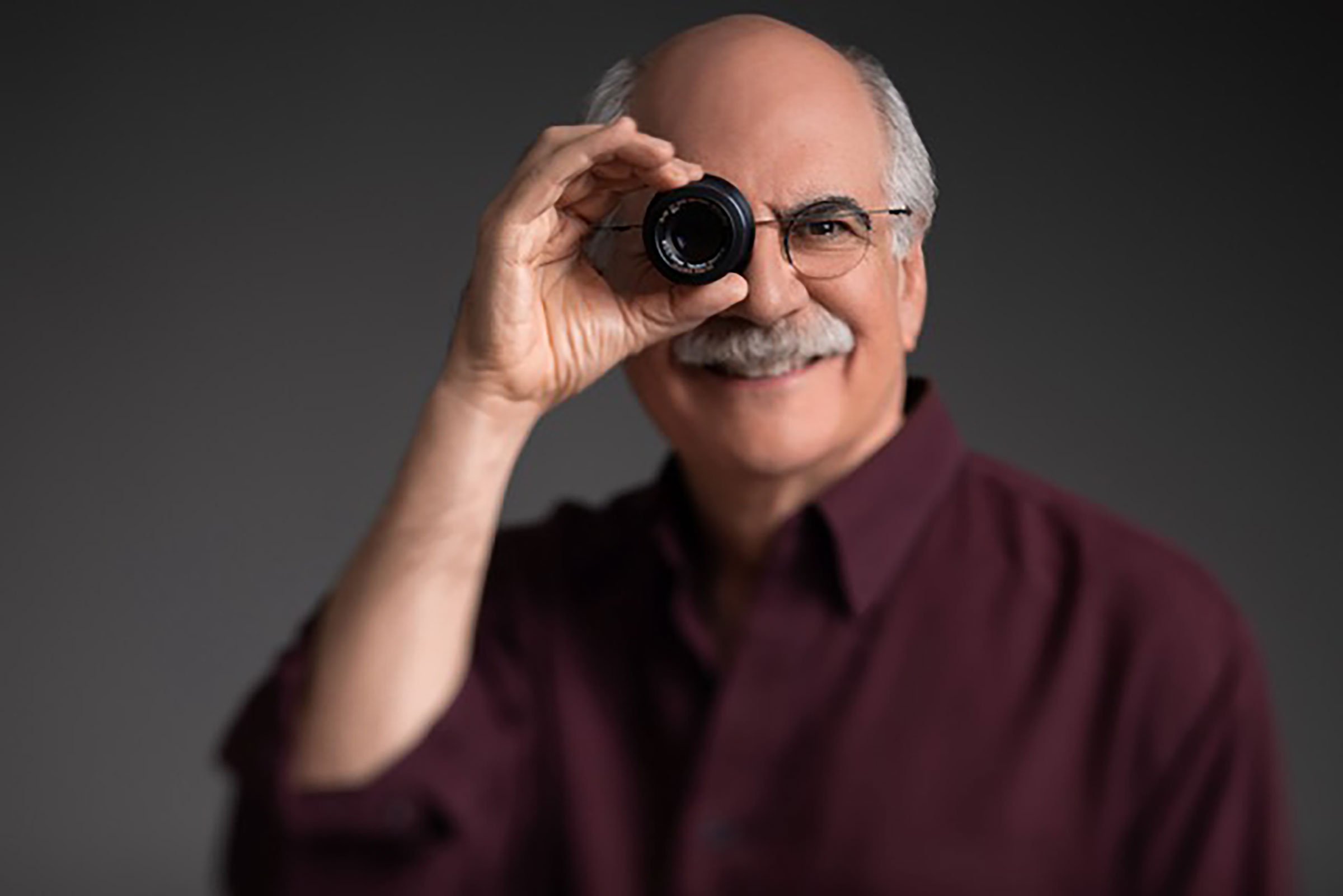
Trained as an architect, Howard J. Wolff worked as a consultant to international design firms, traveling to 45 countries for his work. He has been pursuing photography both professionally and personally. howardwolffphotography.com
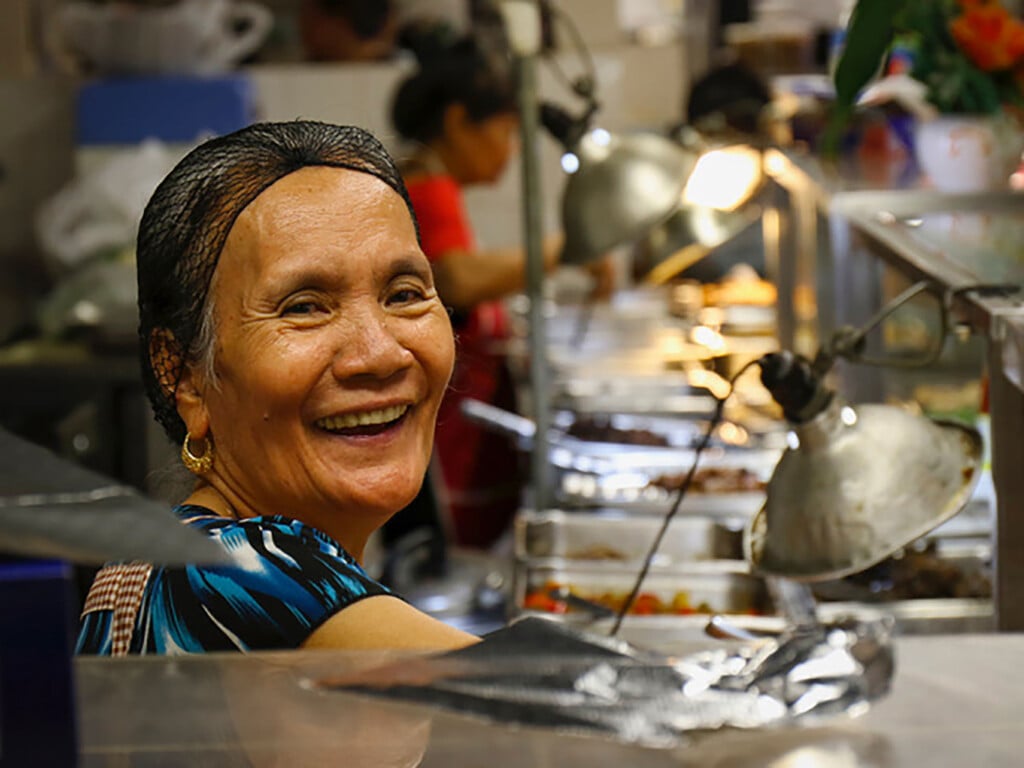
Photo: Howard J. Wolff
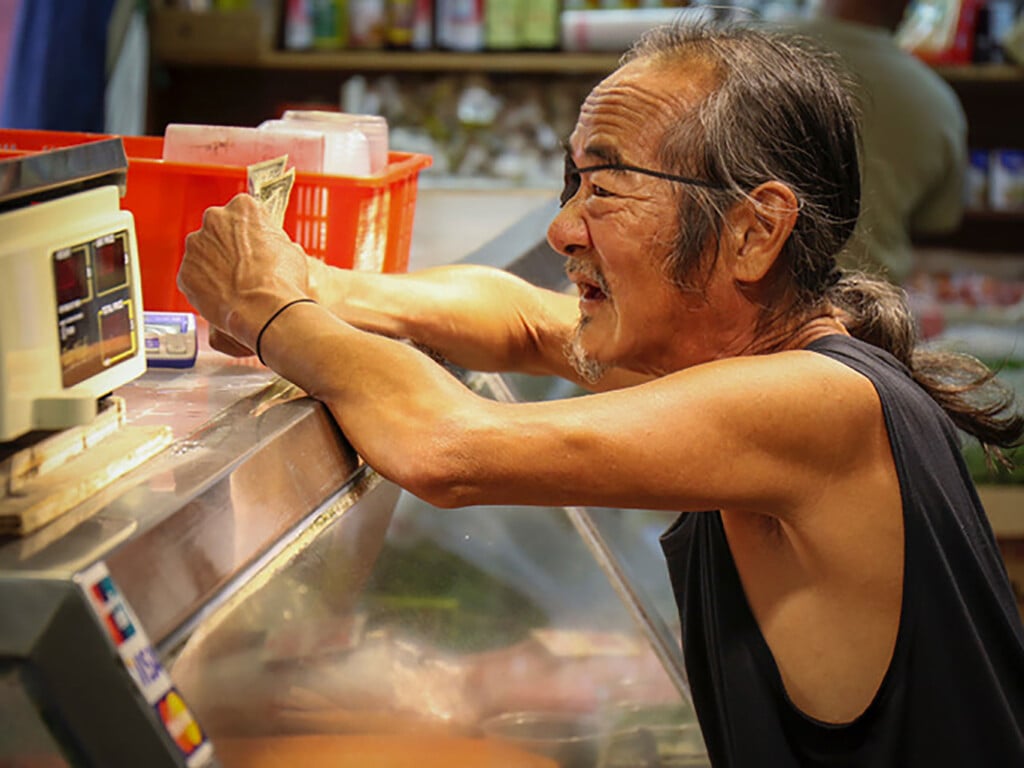
Photo: Howard J. Wolff
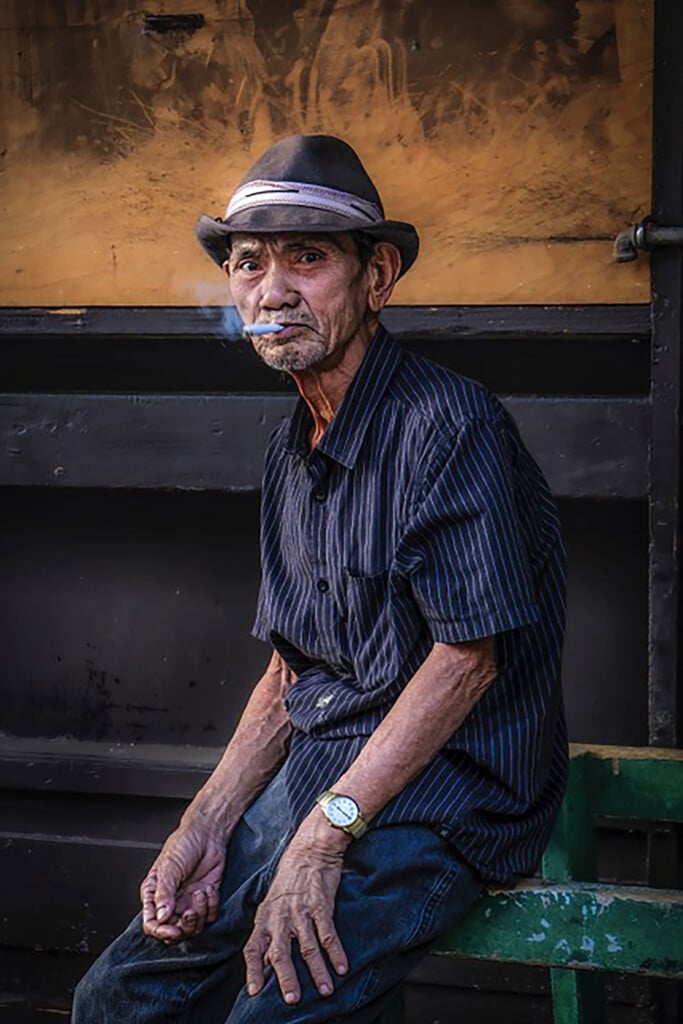
Photo: Howard J. Wolff
Alison Uyehara
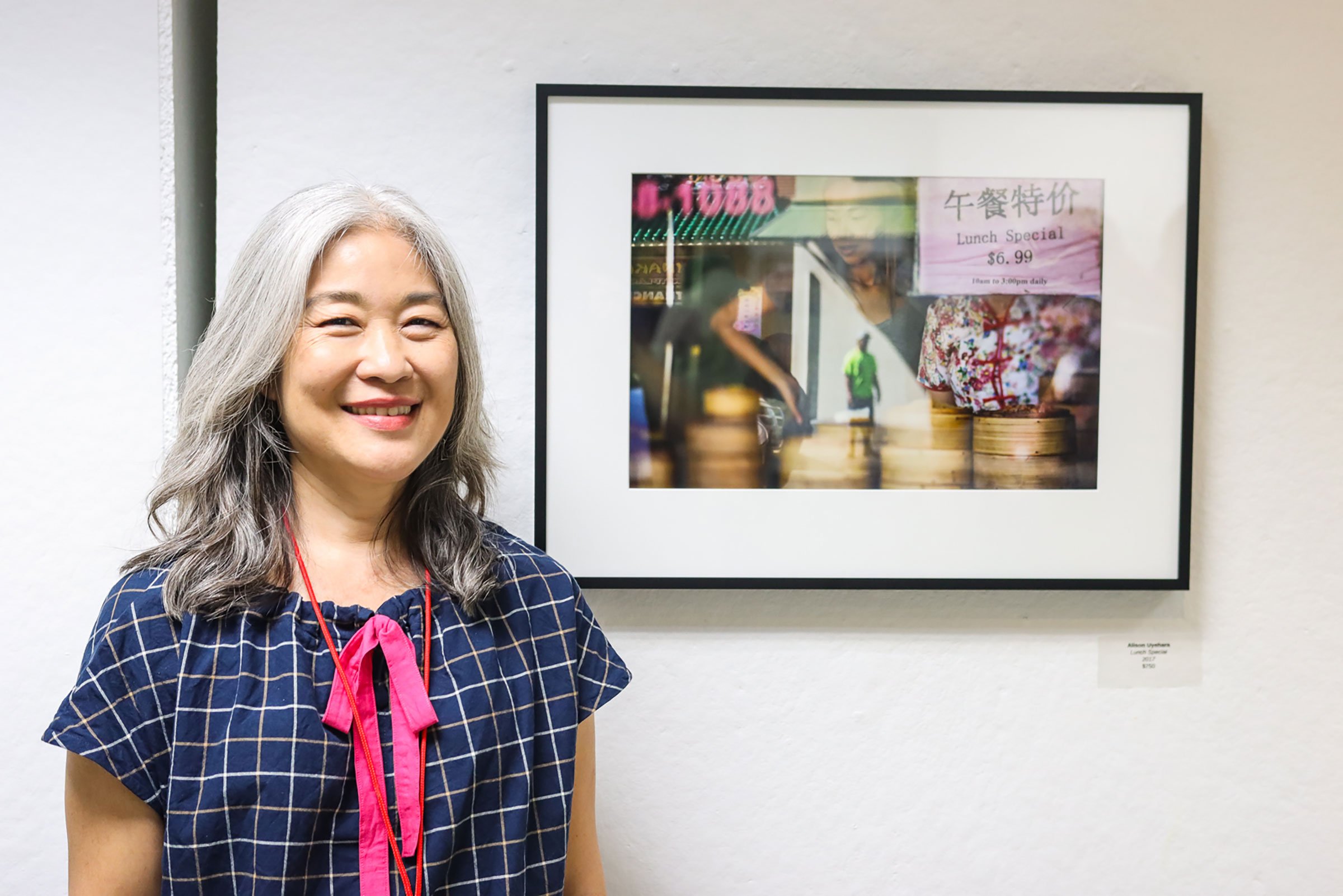
Lunch Special
Alison Uyehara typically takes her photography students from ‘Iolani School on “field trips” to explore the colorful, gritty, unpredictable streets of Chinatown. “I’m always trying to see it in a different way,” she says.
What she loves about capturing Chinatown: “There’s color, texture, old architecture, it feels historic and kind of chaotic,” she says. “Things are always changing and moving, which makes it exciting to shoot.”
Uyehara appreciates the diversity of the people and businesses of Chinatown, and her “Lunch Special” photo, shot prior to the pandemic, reflects this. “It shows a lot of different aspects of Chinatown all kind of crammed into one shot,” she says. “And because of the reflection, you’re seeing what’s in front, but also behind you. You get all these little elements in a collage feel.” —DS
Along with teaching photography at ‘Iolani School, Alison Uyehara has worked as a commercial photographer.
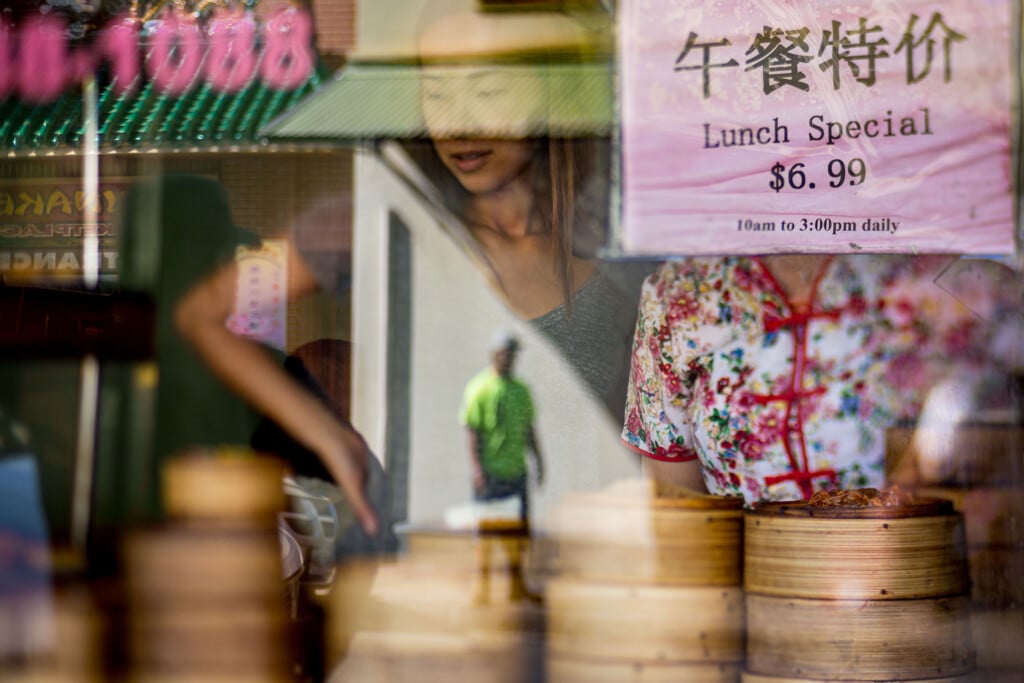
Photo: Alison Uyehara
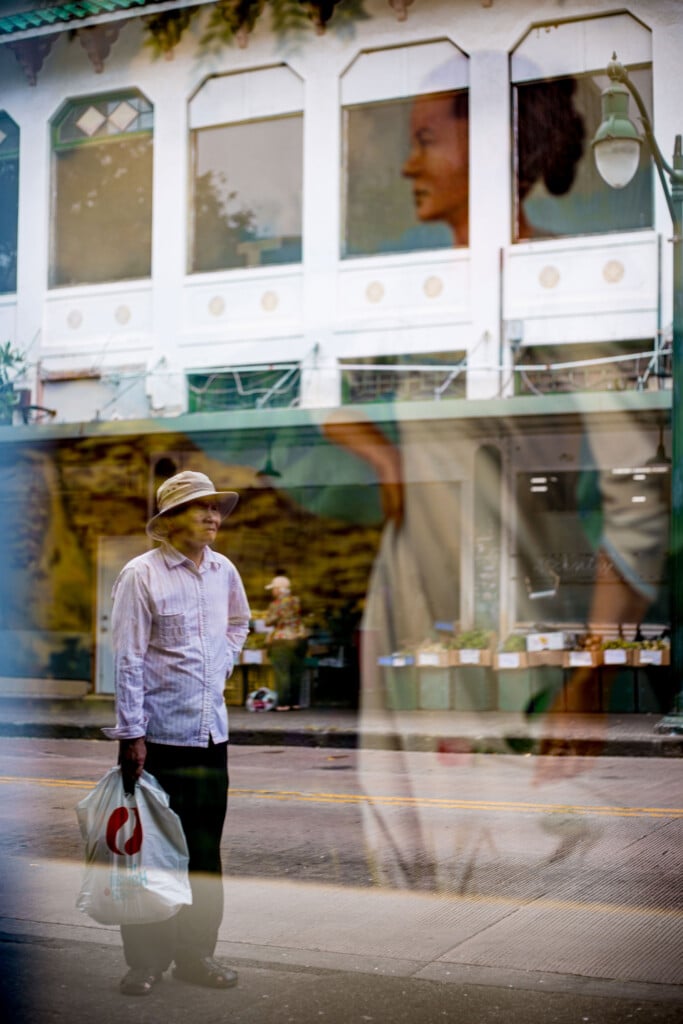
Photo: Alison Uyehara
Cathy Malia Löwenberg
River Street series
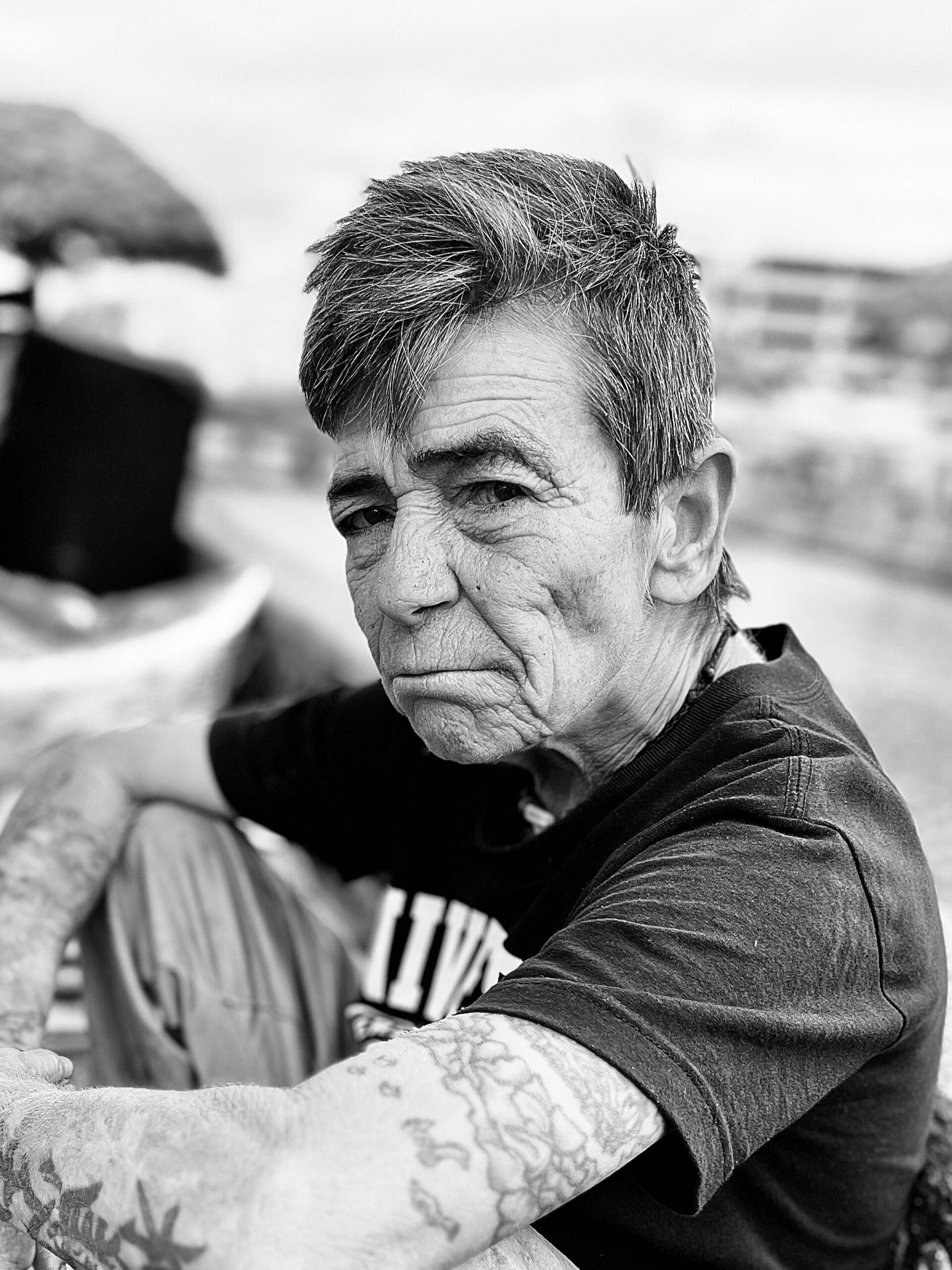
Cathy Malia Löwenberg felt frustrated with the way unsheltered people tend to be photographed without agency or voice. Then she met Nessa Vierra near the corner of North Pauahi and River streets, which Vierra had called home for 15 years. “She asked to see my portfolio and then asked me to come back that weekend to photograph her ‘Chinatownionian’ friends,” Löwenberg says.
That exchange eventually led to a collaboration between the two women, both of whom hated how the media portrayed people living on the street. “I wanted people to see themselves with dignity, to take the time to stand with style and pride, choosing how they wanted to be seen,” Vierra says. “Our ‘Chinatown Pictionary’ gave us a combined feeling that we belong, that each one of us was alive and recognized as human.”
Vierra says Löwenberg is the only photographer she’s encountered who isn’t afraid to come close. “She actually talked with us,” she says. “She took photos that mattered—and gave a copy to every person she photographed.”
That was three years ago. Since then, many of those portraits have been used to identify people at the morgue and given to families to display at funerals. —KV
Cathy Malia Löwenberg is an attorney at the Hawai‘i Civil Rights Commission. She began engaging with and documenting houseless individuals in Chinatown in 2023. @icontacthawaii
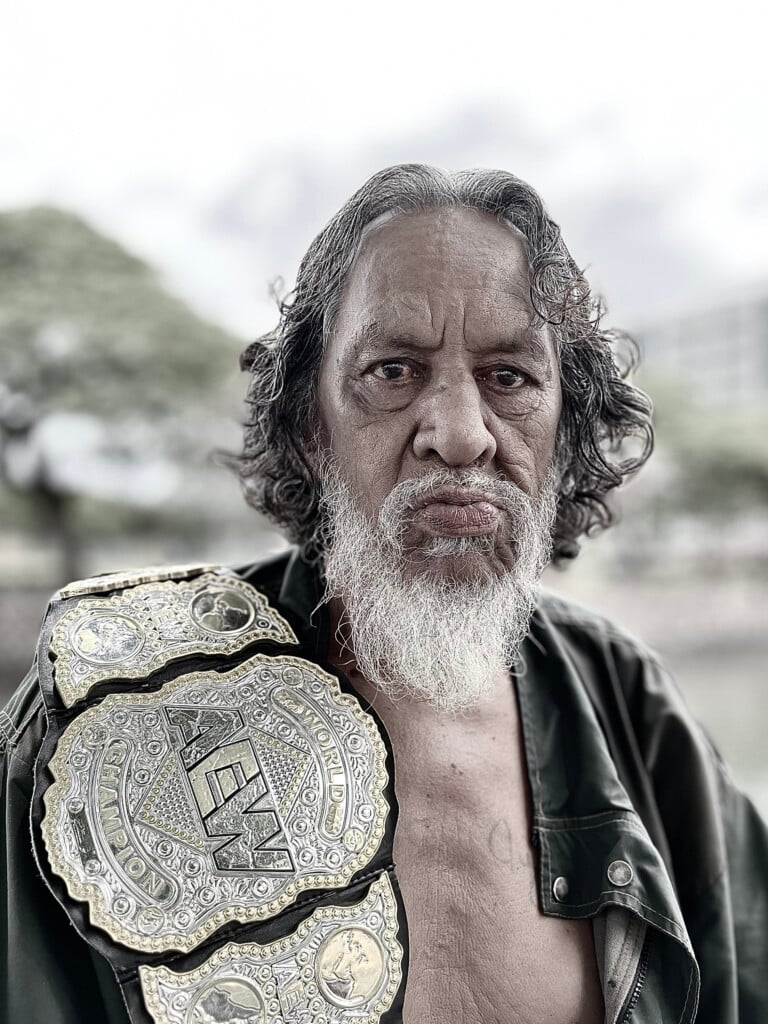
“Hawaiian.” Photo: Cathy Malia Löwenberg
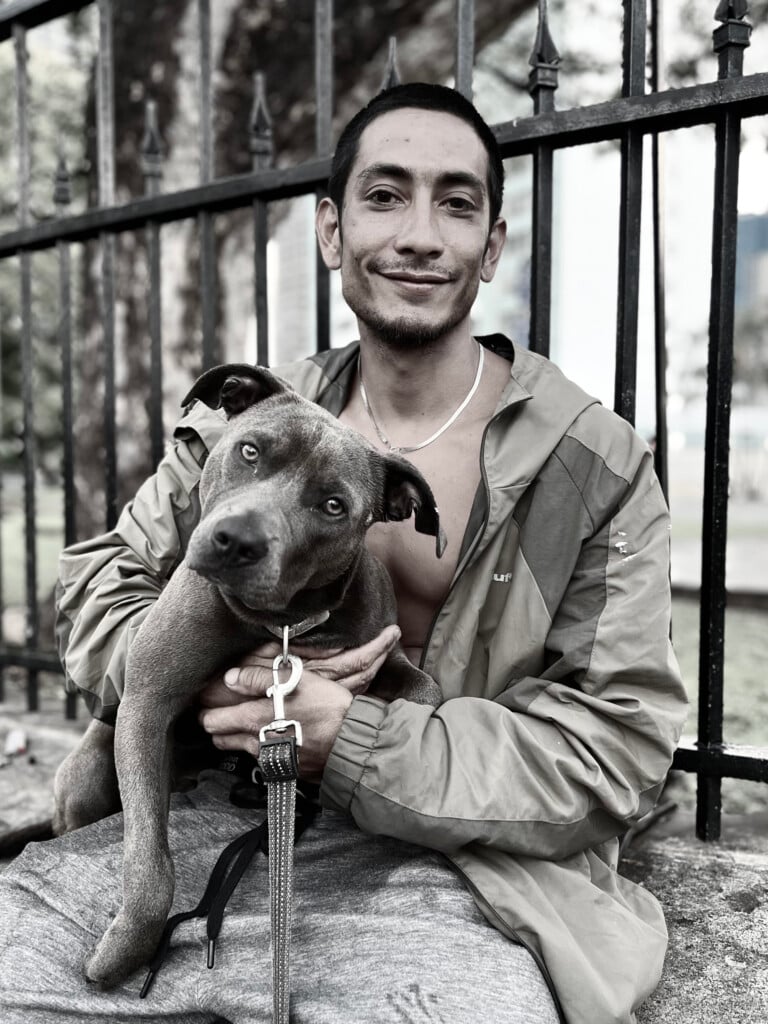
Joshua and Blue. Photo: Cathy Malia Löwenberg
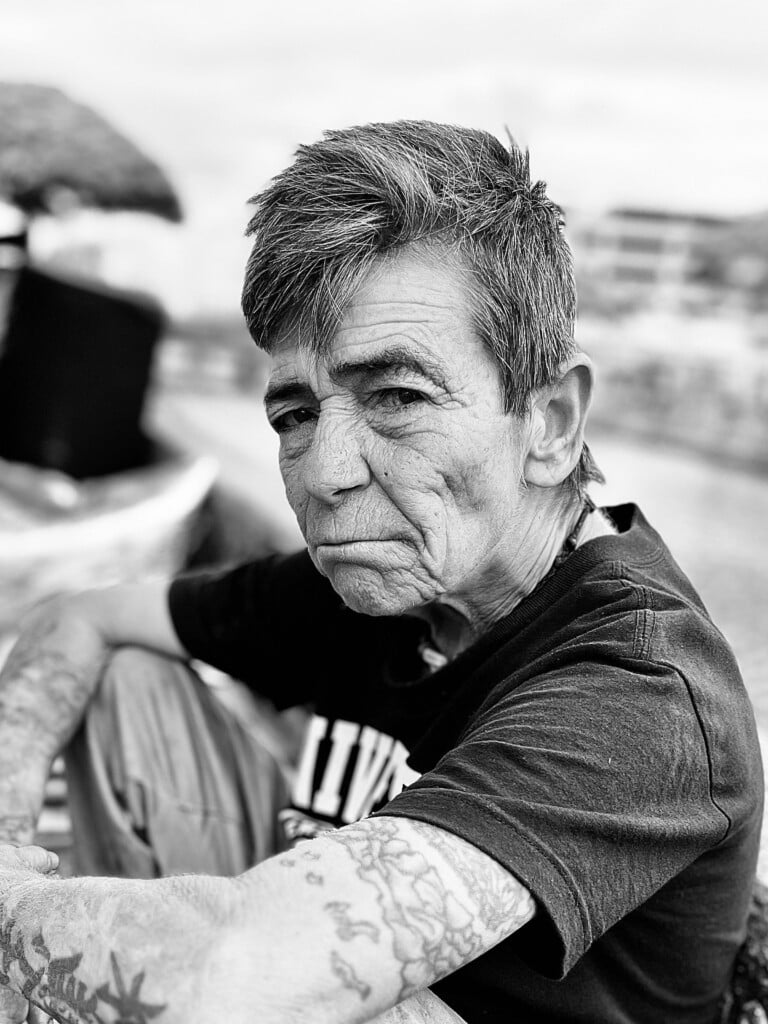
Nessa. Photo: Cathy Malia Löwenberg
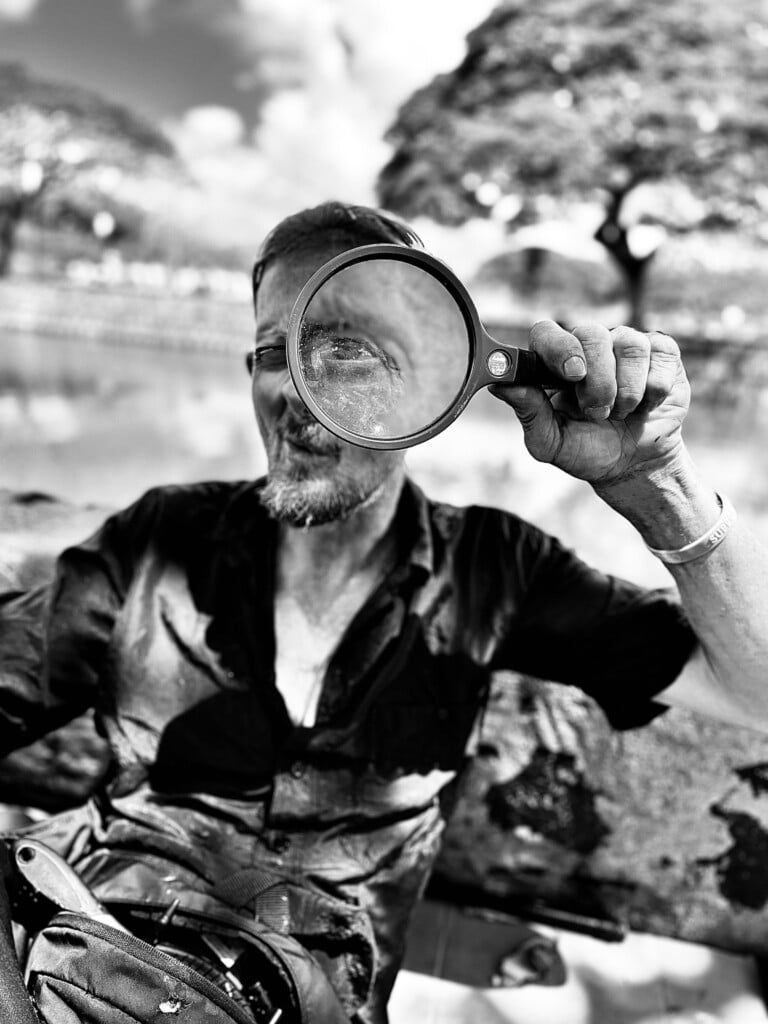
Travis. Photo: Cathy Malia Löwenberg
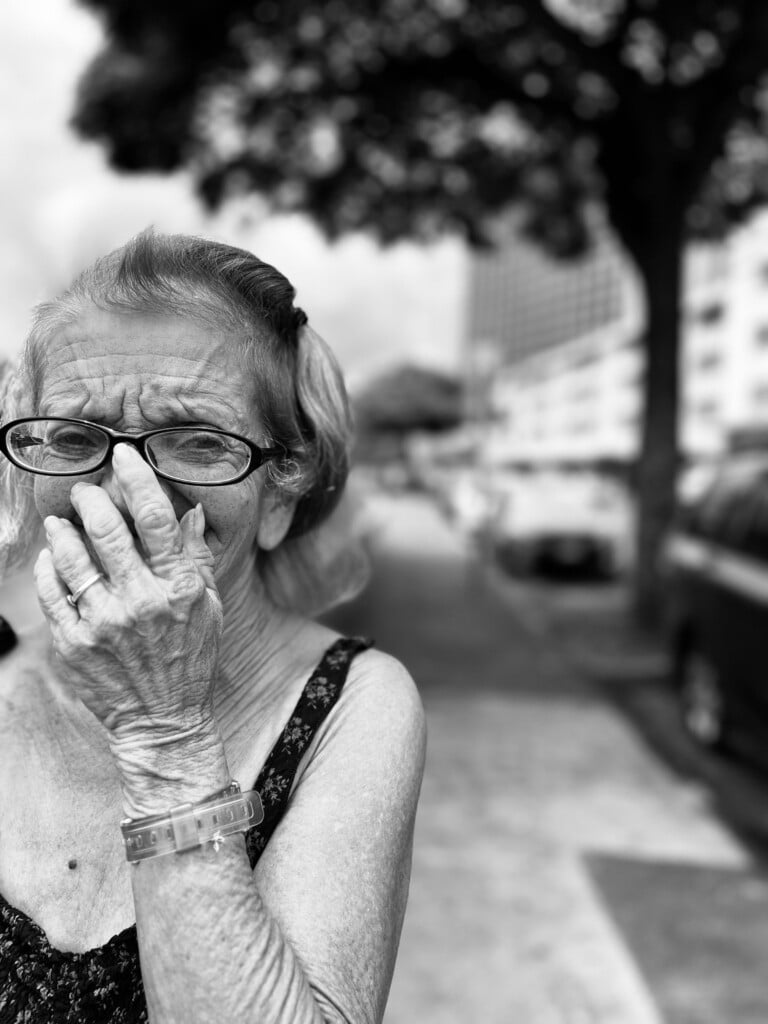
Tess. Photo: Cathy Malia Löwenberg
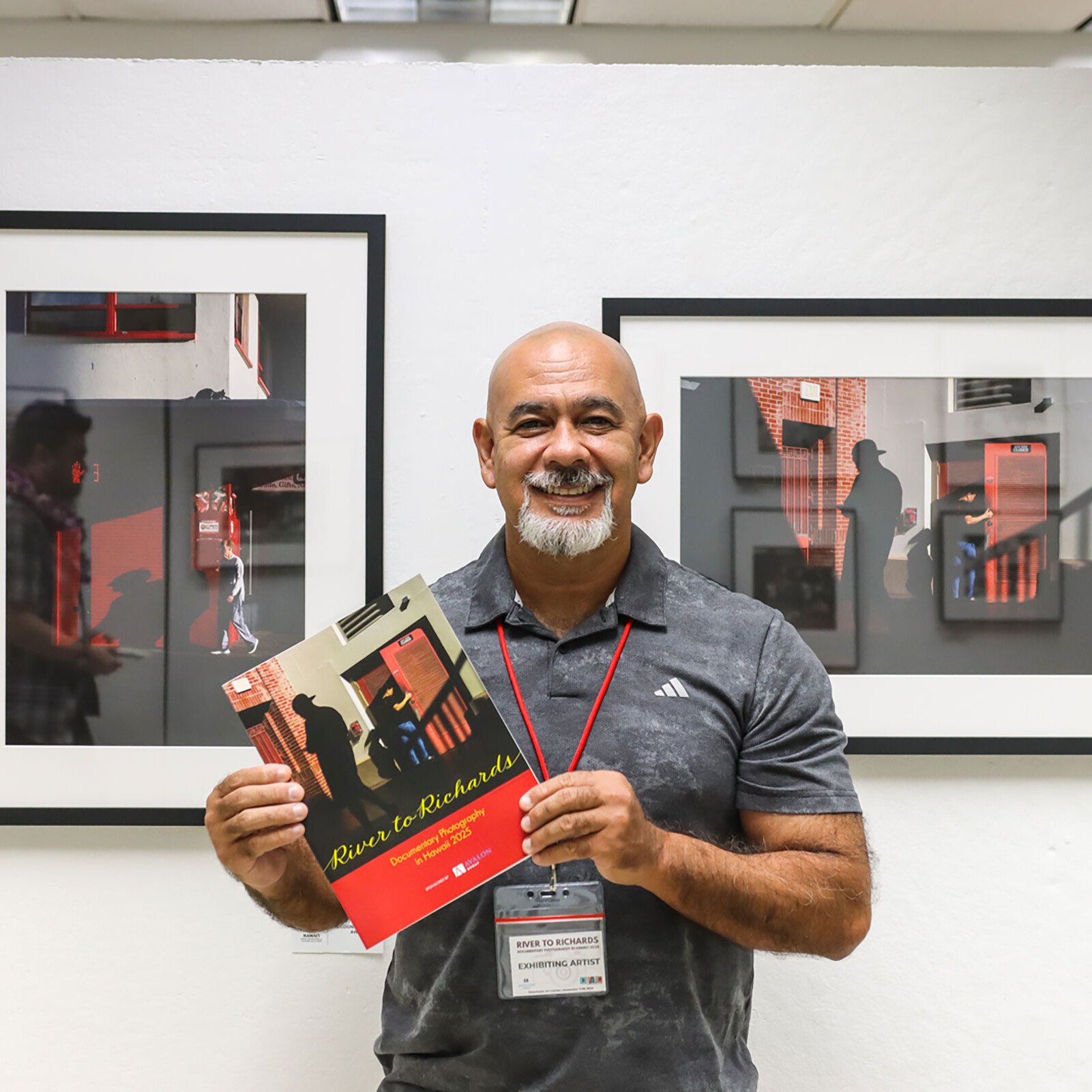
Anthony Consillio
Keep Door Closed
Anthony Consillio, who’s been photographing the streets for about 10 years now, goes wherever the light is. For “Keep Door Closed,” that meant Maunakea Marketplace. “This is a favorite spot of mine to photograph due to the textures or brickwork, architecture and awnings that create interesting-shaped shadows,” he says.
To capture the shot, Consillio sat and waited until a woman approached the door from the outside just as a man walked by.
Consillio loves shooting Chinatown, with its grit, older architecture and colors, especially all the red, he says. He can spend hours walking around as the light changes, creating unique images. “People ask me all the time, ‘Don’t you get tired of it?’ I’m like, ‘No, I’ve never been tired of going down to Chinatown,’” he says. “It’s got a lot of old, weird architecture, which creates a lot of really nice and interesting shadows.” —KV
Anthony Consillio has been a professional photographer for more than 20 years and is currently a delegate for Fujifilm in Hawai‘i. @consilliophotog
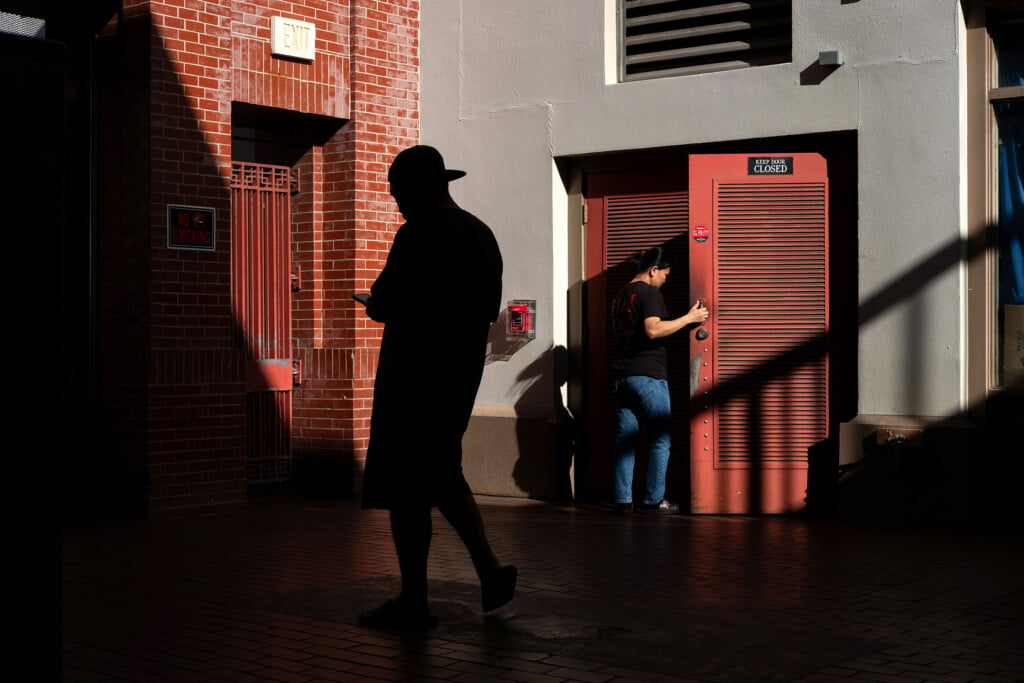
Keep Door Closed. Photo: Anthony Consillio
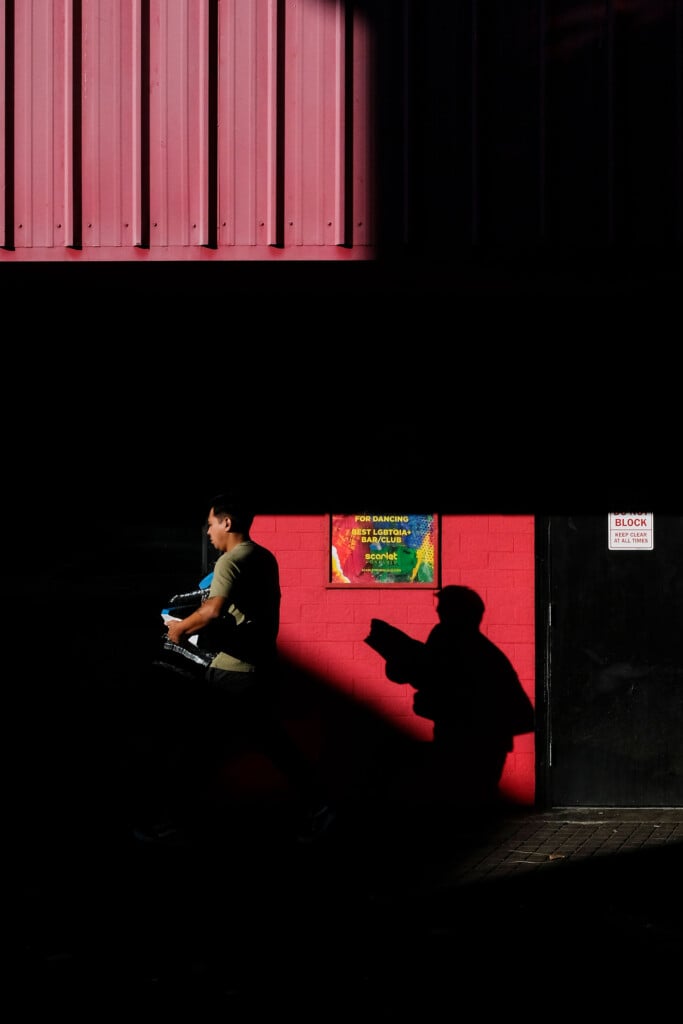
Scarlet. Photo: Anthony Consillio