2026 Hale ‘Aina Awards: Chao Restaurant Group Wins Restaurateur of the Year
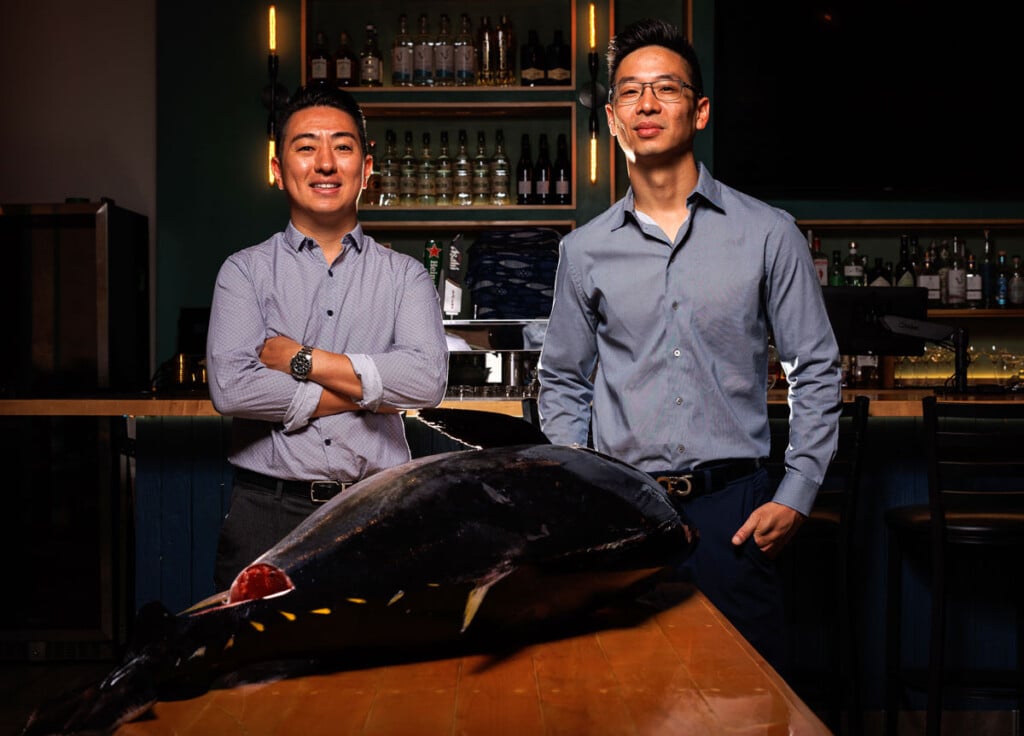
Behind the unconventional rise of Chao Restaurant Group, helmed by Chancelor Kim and Dong Dang.
Editors’ Pick
RESTAURATEURS OF THE YEAR
“Why don’t you open a poke shop? We have good fish.”
A casual remark over homemade poke at a family table became the catalyst that would launch Chao Restaurant Group. It was as much encouragement as understatement. The Dang family owns Fresh Island Fish and its 27 Honolulu-based fishing boats. In Dong Dang’s recollection, his brother-in-law, Chancelor Kim, said something like, “This poke is so good. Why aren’t we selling it?” His mother’s response was a blessing.
Seven years, four poke shops and three restaurants later, Kim and Dang lead their own fast-growing operation, one whose rise has broken convention. Aside from Kim’s college jobs as a busser and server, neither had worked in restaurants, much less run any. Their learn-as-you-go approach—from listening to podcasts and flying to industry conventions to creating a WhatsApp group of fellow local restaurateurs—set them apart in an industry where traditional formulas are losing relevance. And inspired us to select Kim and Dang as the 2026 Hale ‘Aina Awards’ Restaurateurs of the Year.
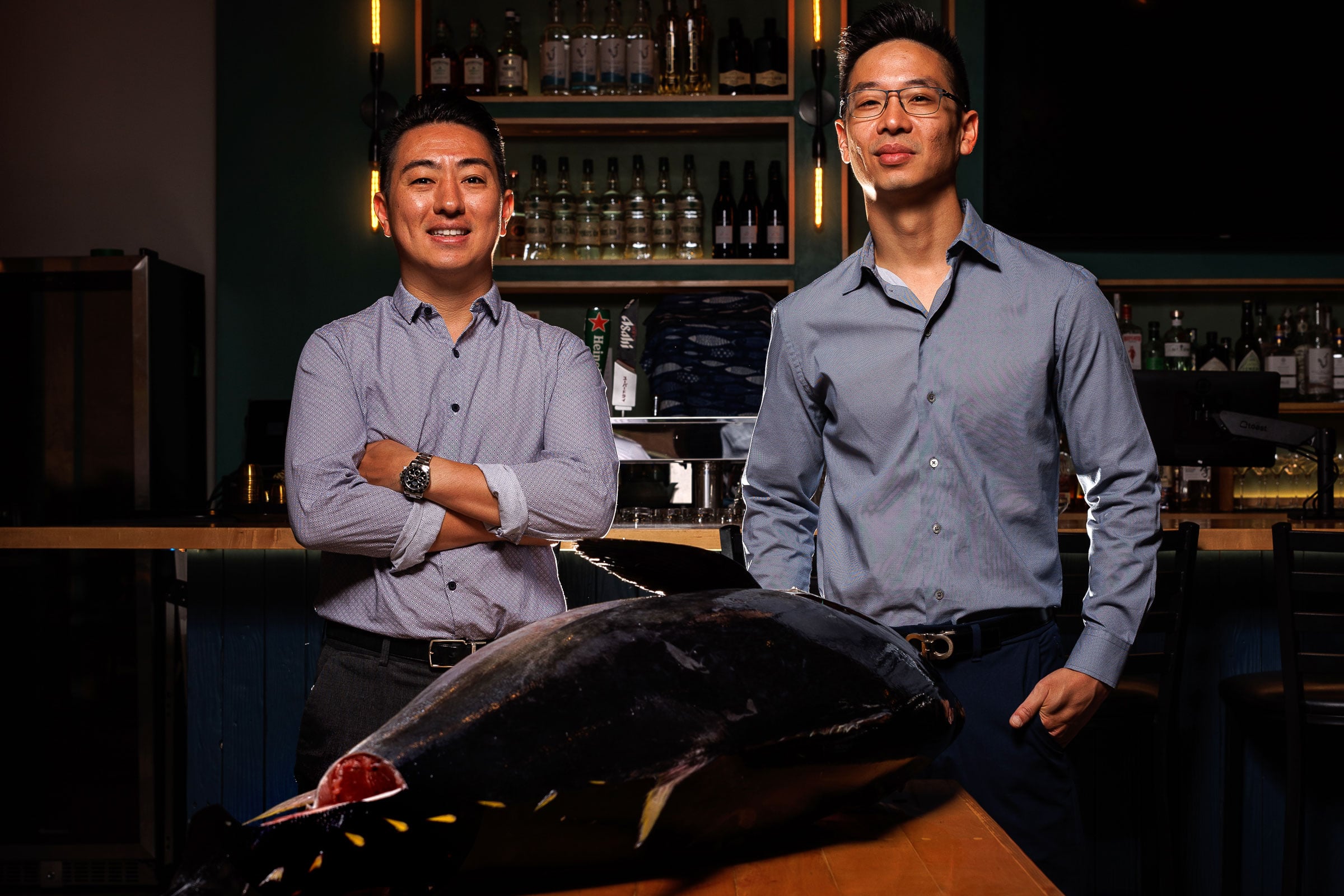
The poke shop suggestion, which came in 2019, landed in the ears of an entrepreneur and a fishing boat supplier with a degree in entrepreneurship. Kim, 36, started early, waiting tables and running nightclub events at Ginza and Ka between classes at UH Mānoa. Stints in product development at 7-Eleven Hawai‘i and at Sysco—the world’s largest wholesale restaurant food distributor—provided training and ideas, and a venture Kim launched to deliver Nanding’s Bakery Spanish rolls, Pomai Kūlolo and other goods to O‘ahu stores grew to four trucks by the time he sold it.
Dang, 34, grew up in the family business. At first, it was a lone fishing boat that kept his father at sea for weeks at a time. Now, the family’s companies include a longline fishing fleet, a seafood wholesaler, a retail fish market and related businesses, including Pacific Fishing & Supply, where Dang—who double-majored in finance and entrepreneurship at UH—remains the general manager.
Paradise Poke, opened between a karaoke bar and a failing Radio Shack in Nu‘uanu, “was gonna be a single shop, with me working it,” Kim recalls. “I didn’t think it was gonna be a full-time thing.”
For nine months in 2020, while newbie mistakes with contracts and contractors delayed the opening, they teased social media about the poke shop coming mauka of Chinatown. “Our poke will always be made with fresh & locally caught fish fresh from the boats,” an Instagram post promised.
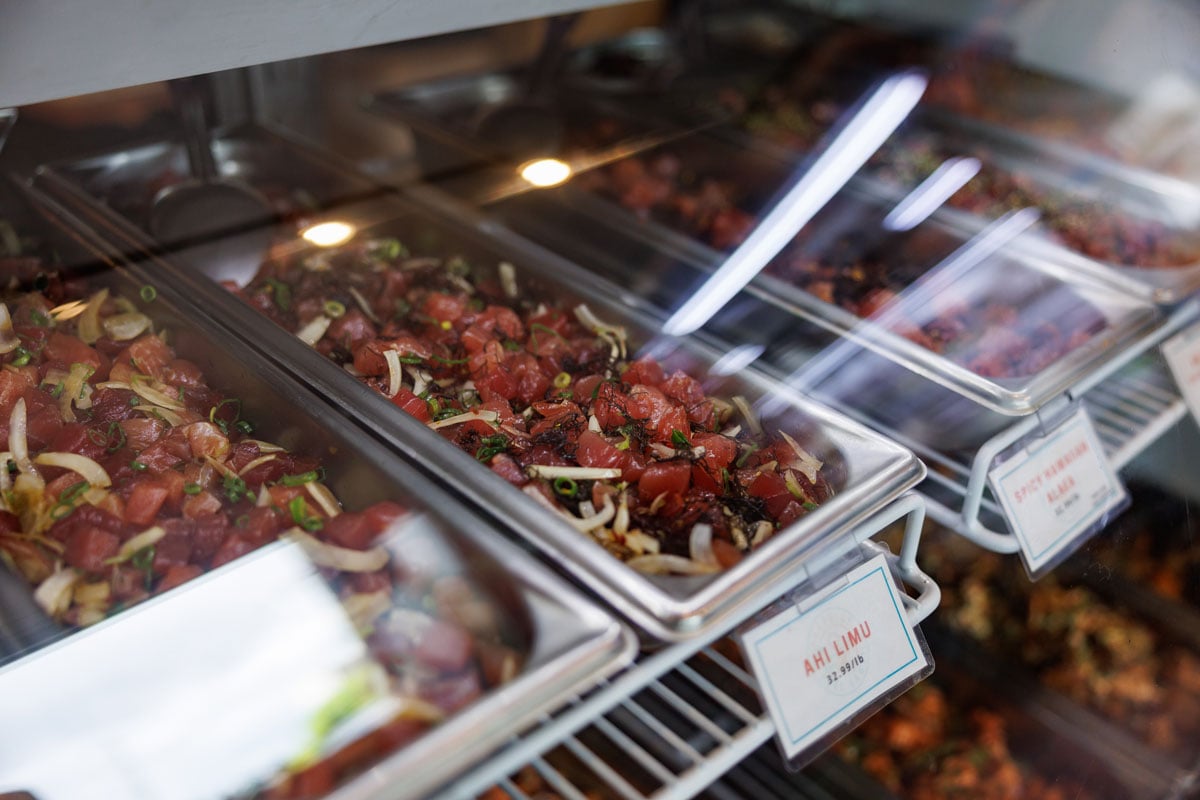
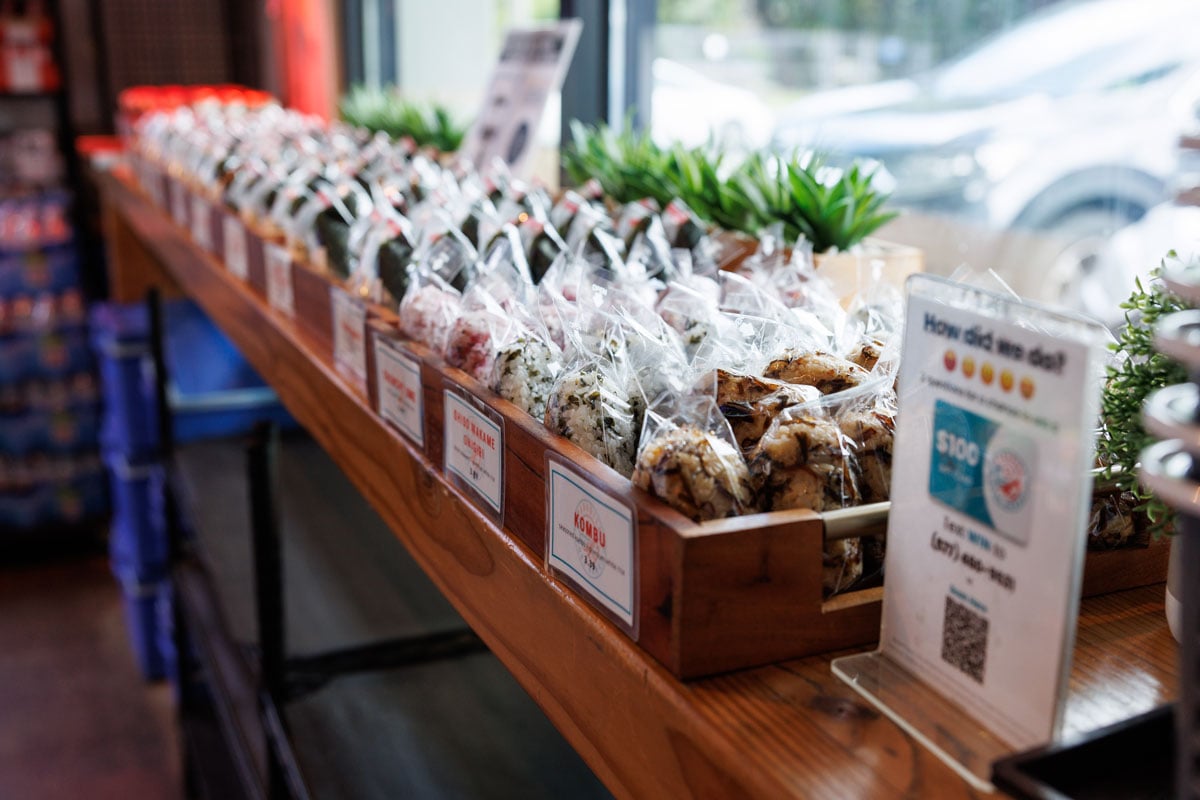
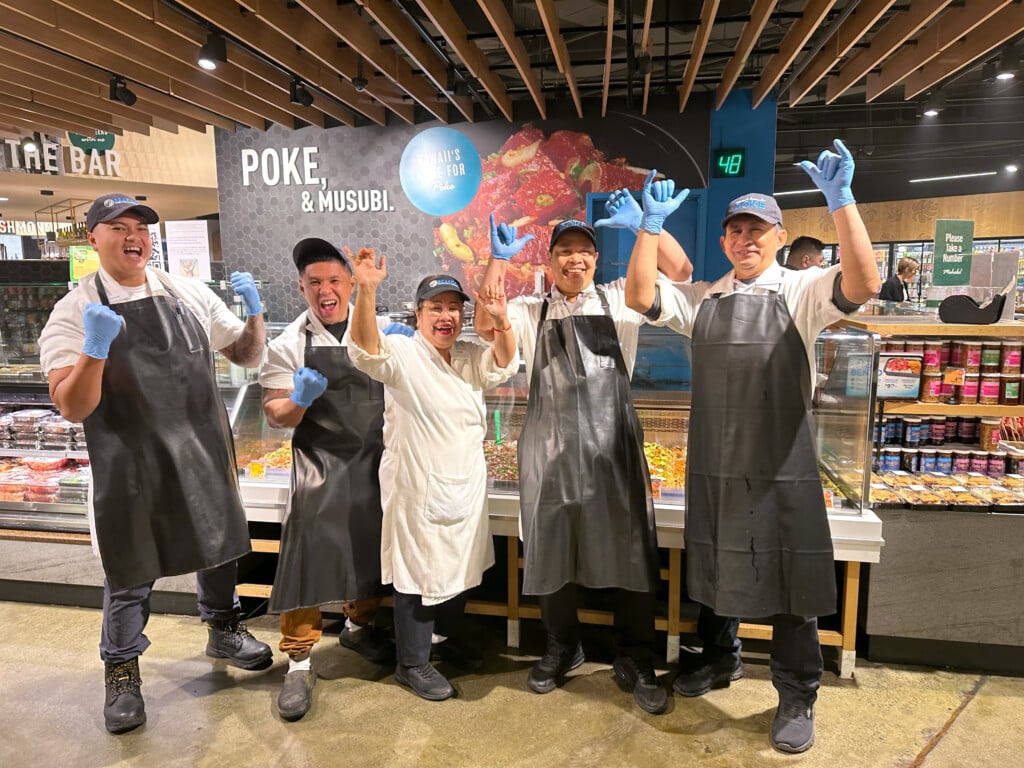
When Paradise finally opened in 2021 with poke, garlic shrimp and mac salad, pickled mango and breakfast musubi, business was good. “There really were only a handful of spots that use that quality fish, like Tanioka’s and Tamashiro’s,” Dang says. “When the boats come back and the captain pulls out the best of the catch, we divide it up between the captain, crew and our family. So at 4 a.m., we would come in, work till 7 or 8, go to our main job, come back and work until 9 or 10 at night. It was the challenge that made it so rewarding. We found joy, and it became a passion, hospitality and food and beverage. Chance made a comment recently, ‘Wow, we really didn’t know what we were doing.’”
Also, there were Kim’s wife, Quynh Dang, and Dong Dang’s fiancée, Julia Vu—whose parents had owned Chinatown’s longtime Rosarina Pizza and whose sister owns La Pizza Rina. Binh Ngo, a Dang cousin who trained under veteran chef Jason Peel at Nami Kaze and KCC’s Culinary Institute of the Pacific, was in the kitchen. The business’s low overhead gave them room to learn and make mistakes. Two years later, Paradise expanded to Waikīkī and Pearl City; a year later, it added a fourth shop in Hawai‘i Kai.
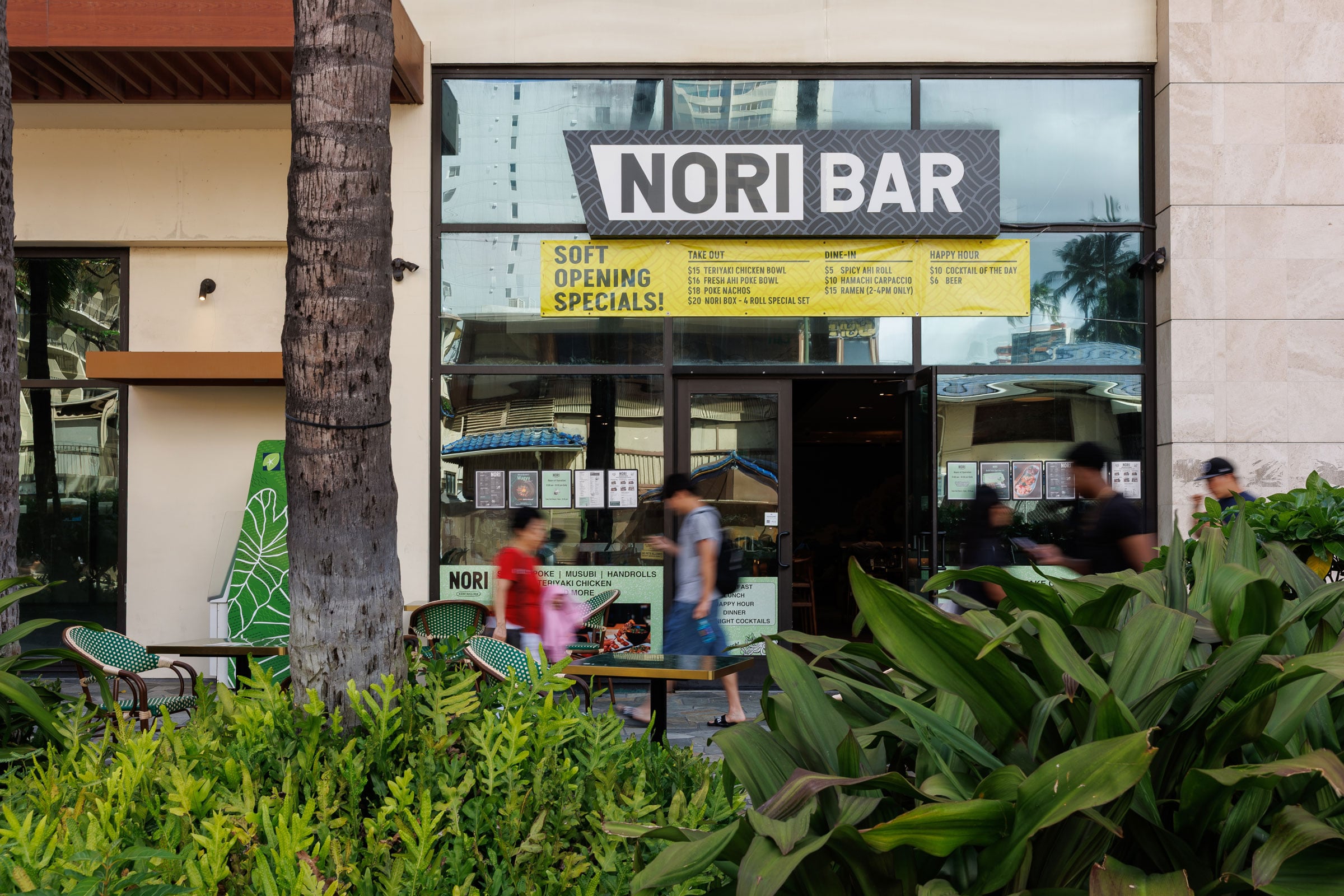
Nori Bar was a leveling up. Inspired by Japan’s stand-and-eat sushi bars and the trendy handrolls of LA and New York City, it was a restaurant—a 16-seat counter in a slip of space at Ward Village. Customers scanned QR codes to order and had 90 minutes for their premium ‘ahi with nikiri soy, Hokkaido scallops tinged with yuzu kosho, and freshly grilled unagi, all tucked in warm rice sheathed in crackling nori. The menu outgrew handrolls and the time limit fell by the wayside, but Nori Bar—where people running errands could pop in for quick snacks and couples could linger over sake and sushi—also found its groove.
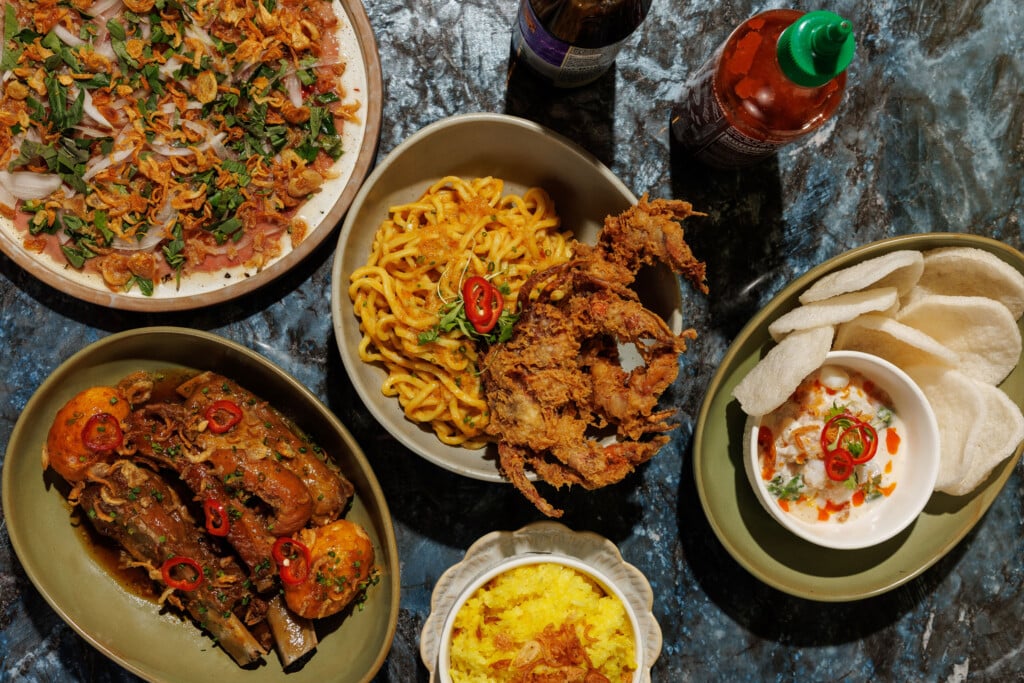
Chao Hawai‘i, in the same Nu‘uanu strip mall as Paradise Poke, was a chance to go beyond seafood. The nearest competitors were the karaoke bar and a Thai bar; no other full-service restaurants were within a half mile. With 70 seats, Chao’s tables could accommodate families and celebrations. Dang wanted a homestyle Vietnamese menu of dishes he’d grown up with; Kim wanted modern Vietnamese and cocktails. Chao would have all three. It opened in the summer of 2025 and ramped up with lunch, dinner, happy hour, Sunday brunch and late-night. Here, Ngo was the chef and partner; at Nori Bar, Dang’s brother Khang joined the partnership.
When a space opened up on Kūhiō Avenue in Waikīkī, they took it. The second Nori Bar was next to a Starbucks and more than triple the size of the first. With its opening in spring 2026, the group that started with six people at a poke shop had 152 on its payroll.
“The impetus for opening more restaurants came from the people we had working with us—creating opportunities for them,” Dang says. “Our employees had aspirations, bigger aspirations, and we did too.”
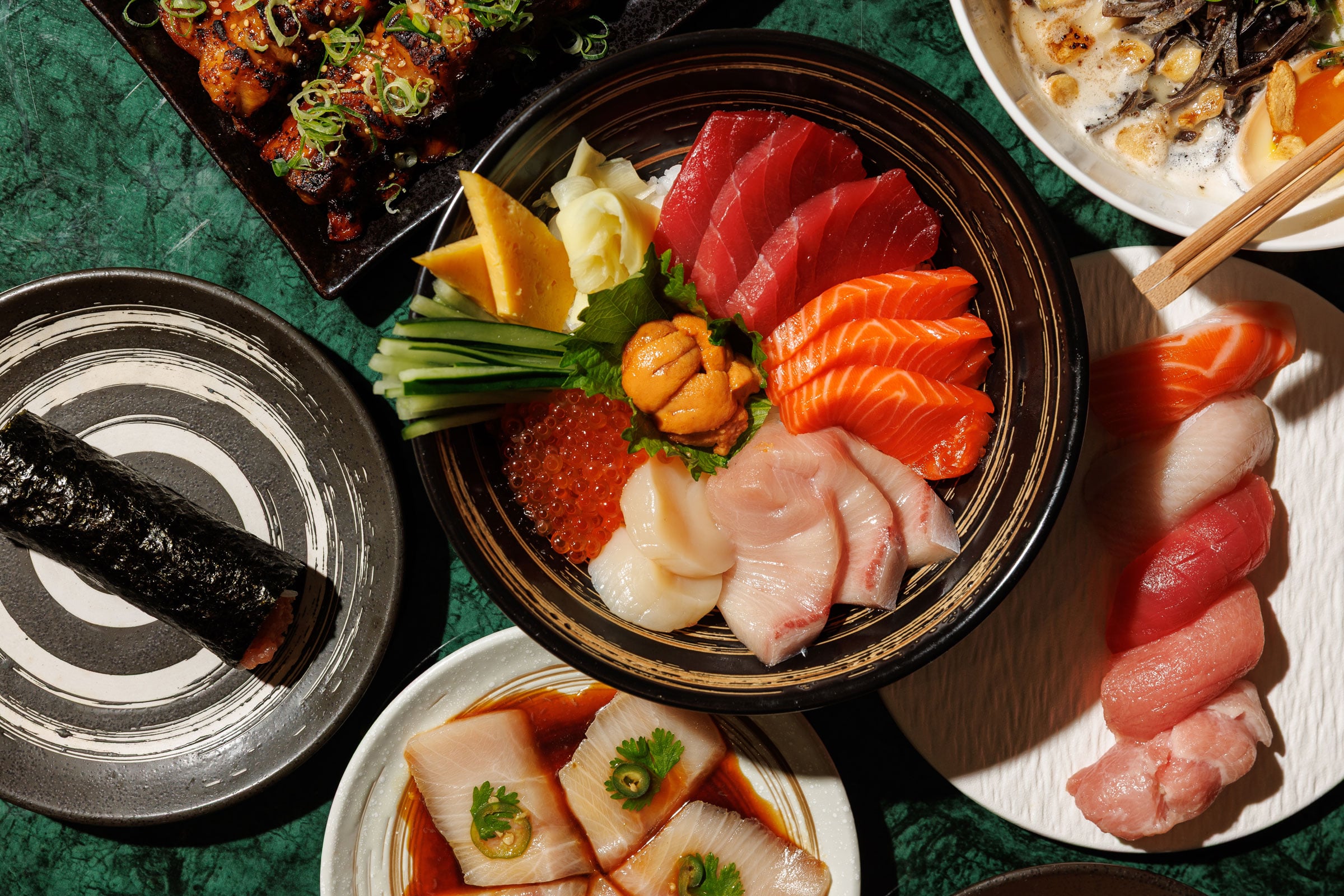
How did two people with limited backgrounds in the industry open three restaurants and O‘ahu’s largest standalone poke chain? Asked twice, Kim starts his answer the same way: podcasts. Restaurant Unstoppable, featuring interviews with successful restaurant entrepreneurs, is his favorite. He also cites books, industry trade shows the group attended in Chicago and Shanghai and input from a WhatsApp group he created of mostly second- and third-generation restaurateurs in their 30s and 40s—including La Tour Café’s Brandon Lam, Juno Chung of Koa Pancake House, Chris Iwamura of Rainbow DriveIn and McDonald’s Hawai‘i’s Vincent Lim. “I just saw issues and I was like, someone’s gotta have these same issues as me,” Kim says. “The whole thing about this restaurant thing is you learn as you go. You learn, you grow. If you don’t like something, change it fast.”
What about role models? Or a mentor? Dang’s response echoes Kim’s: “I can’t say we had role models, to be honest. We just jumped into it and learned along the way.” Both came in as outsiders—avid diners from a younger generation attuned to fast-moving trends and technology. In a post-pandemic world, Chao and Nori Bar offered takeout from early on. Kim researched reservations apps and AI phone receptionists. Yelp reviews and customer feedback, via QR codes at the top of their checks, were routed to his phone.
Internally, realizing their growth was outpacing their abilities, Kim and Dang were filling in management gaps. Michelle Lee Jackson—a former senior line cook at New York’s Marea, manager at Waicoco on Maui and bartender and sous chef at Podmore—became the group’s director of food and beverage. Thomas O’Reilly, who bartended at Podmore, Hau Tree and Nomad in LA, is director of beverage. A human resources manager came onboard in the spring, as did a part-time marketing director.
Now, Chao Restaurant Group’s tentacles twine through other Island seafood eateries as well. ‘Ahi & Vegetable, a sushi-and-sashimi shop bought and expanded by Fresh Island Fish, hired the group to systematize and automate operations. And early this year, it took over management of Thirty Eight, a struggling seafood restaurant owned by Dang family members.
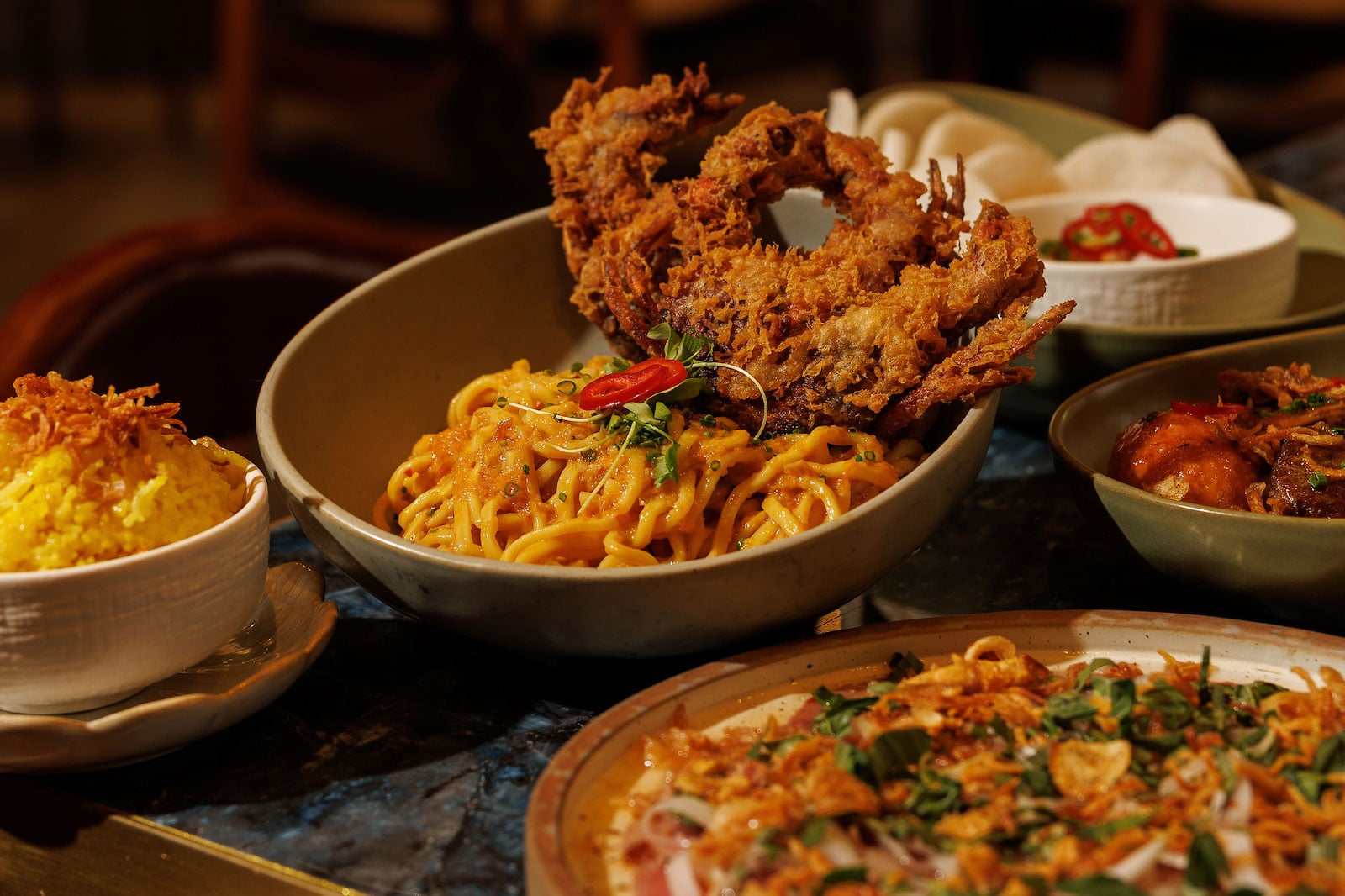
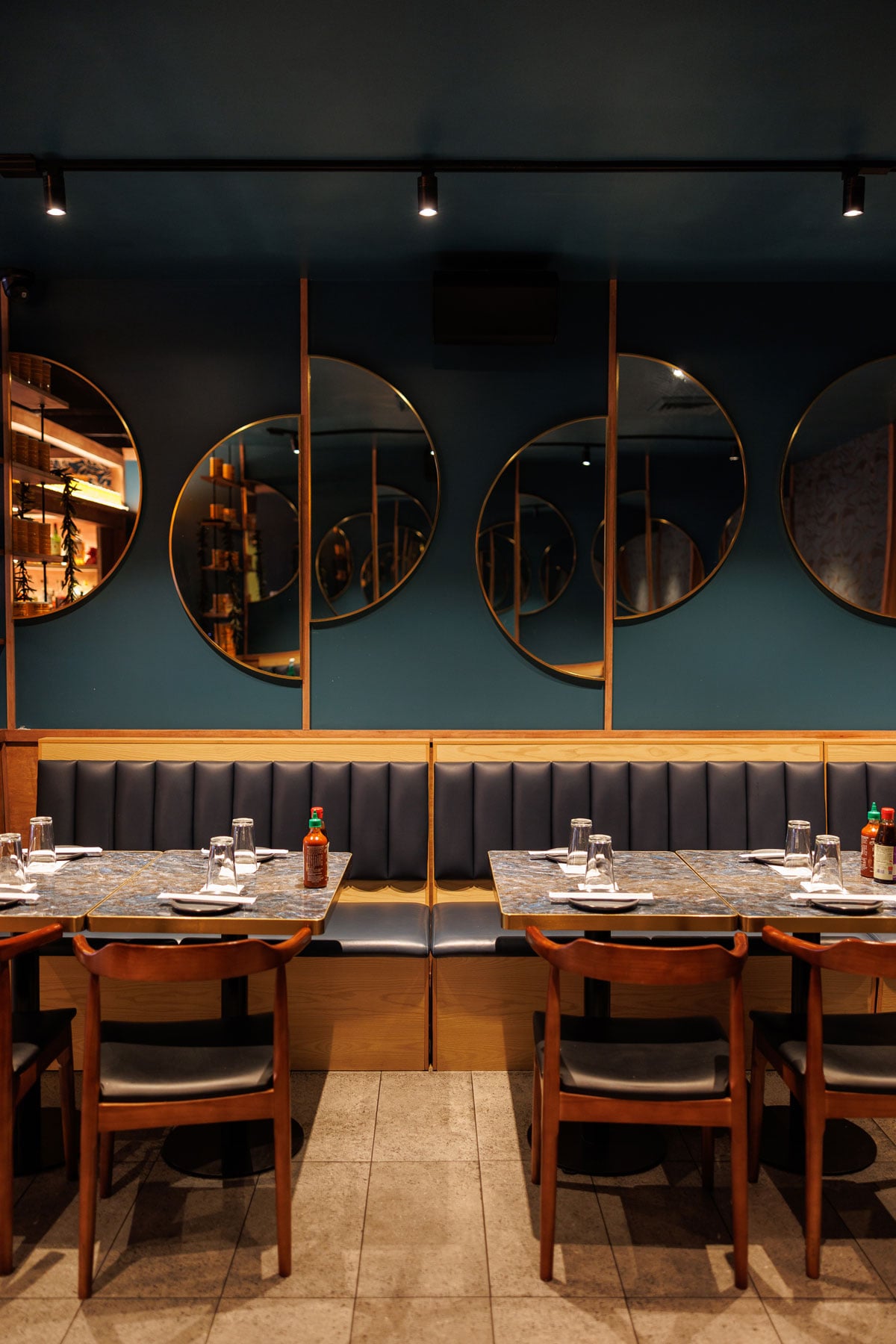
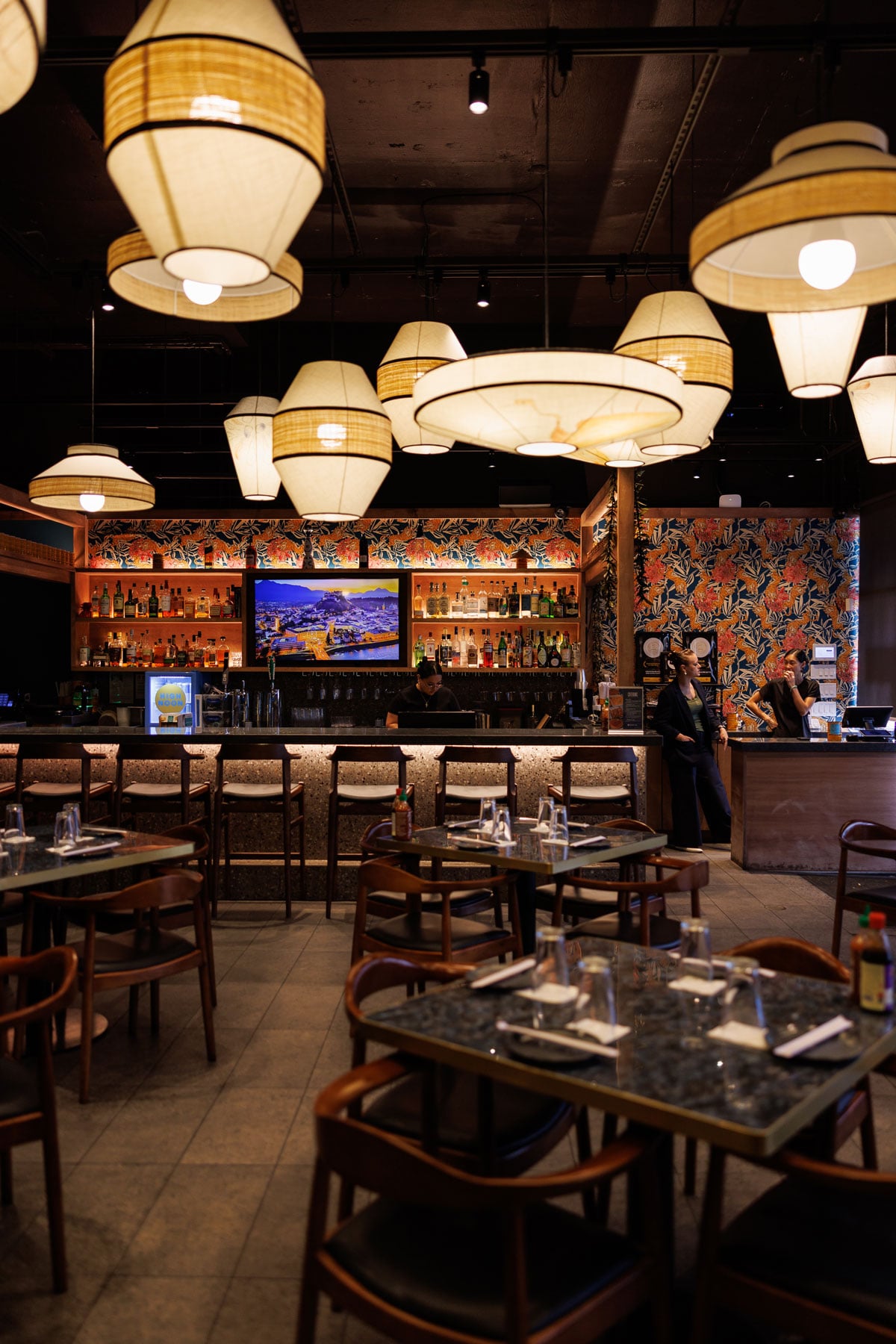
Chao group missed its target of opening Nori Bar Waikīkī in February to relaunch a rebranded Thirty Eight instead. Both places were still works in progress in early summer. Neither Iwilei nor Waikīkī were familiar neighborhoods to which the group was bringing a fresh concept. Thirty Eight and its 100 seats are next door to Nico’s Pier 38, a fresh fish destination for 22 years. Across town on restaurant-saturated Kūhiō Avenue, Nori Bar looks to passing tourists like another sushi spot. Never at a loss for ideas, Kim came up with two more: monthly poke-making classes at Nori Bar Waikīkī and a whole-‘ahi cutting demo followed by an omakase dinner made with that 100-plus-pound fish at Thirty Eight. Both would be sold on Resy and another platform that’s terra incognita for Honolulu restaurants—as an Airbnb Experience.
This is where Chao Restaurant Group hits pause—for now. “The entrepreneur will always want to do more, but we’re focused on solidifying our team and making sure every location is where it needs to be,” Dang says. “We always tell our wives, OK, this is the last one. Chao was supposed to be the last one. It’s always a back and forth.”