Making Hawaiian Language More Accessible With Hand Signs
An effort is underway to develop a new method of teaching ‘Ōlelo Hawai‘i called ‘Ōlelo Hawai‘i Kuhi Lima.
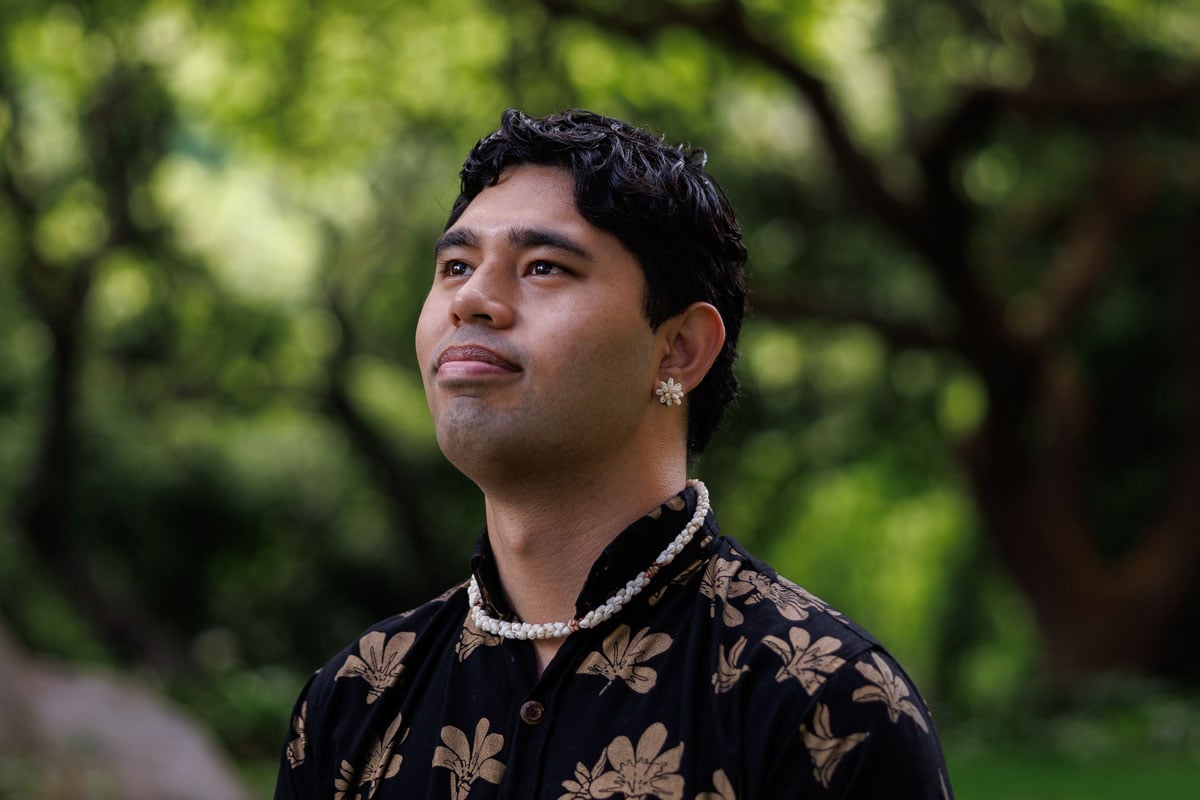
As the first deaf person to attend UH Mānoa’s Kawaihuelani Center for Hawaiian Language, Kekai Kaaumoana-Cummings works with a team to develop ‘Ōlelo Hawai‘i Kuhi Lima, or Hawaiian language hand gestures.
“When I refer to ‘Ōlelo Hawai‘i Kuhi Lima, I am talking about Hawaiian language hand signs that are used to support the learning and expression of ‘Ōlelo Hawai‘i,” Kaaumoana-Cummings says. “These are different from Hawaiian Sign Language, which is a distinct natural language used within the Deaf community in Hawai‘i.”
Though ‘Ōlelo Hawai‘i Kuhi Lima is not an officially standardized system, “the goal is to visually represent key concepts in ‘Ōlelo Hawai‘i in a way that supports understanding for deaf, deafblind, blind and hearing learners,” he says. He works in collaboration with deaf kūpuna and Hawaiian kūpuna, whom he says play essential roles in setting the direction of the work.
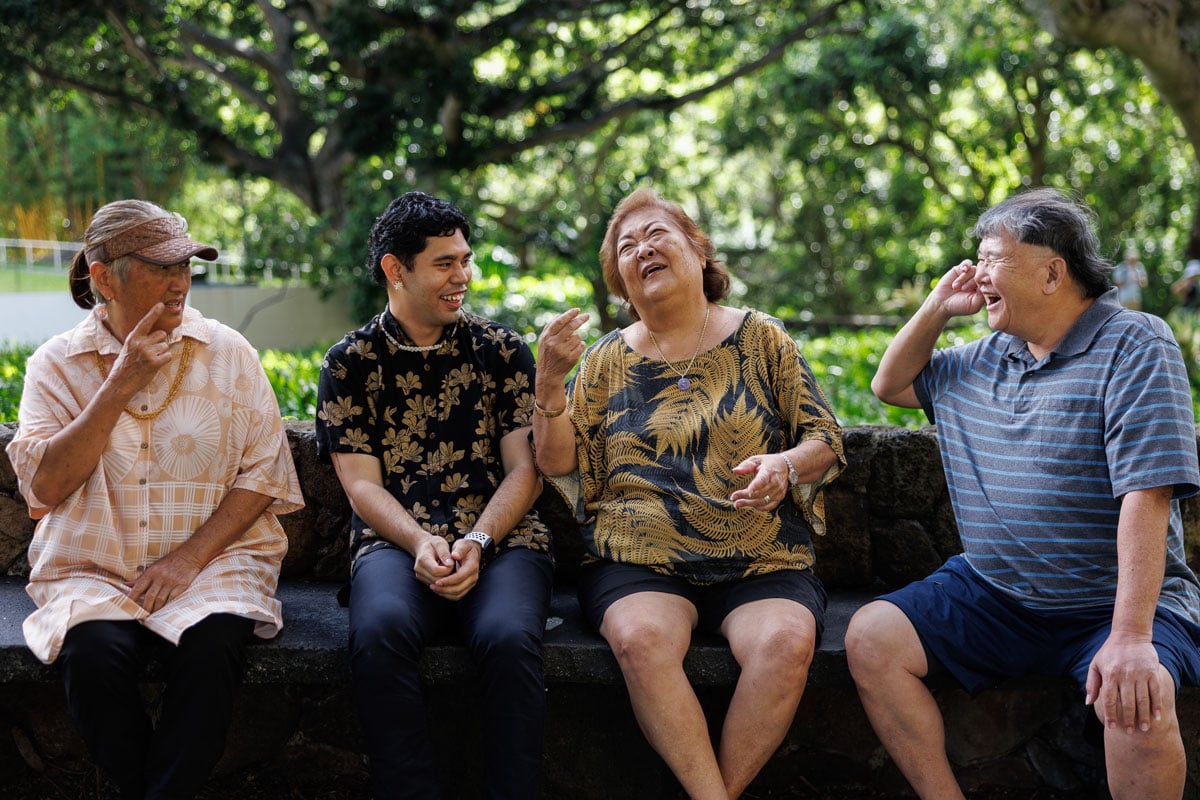
Kaaumoana-Cummings’ TikTok features a tutorial in which he teaches students basic phrases and the gestures that go with them. For instance, you might extend your palm and draw your other hand across it toward your belly to represent a‘o, or “learning.” This is similar to the American Sign Language version, which instead draws toward the forehead. This altered gesture was chosen “as a conceptual representation of learning as something that is taken in, absorbed, and carried within the learner,” Kaaumoana-Cummings says. “In this work, we are not focusing on direct word for word translation, but instead on creating visual expressions that reflect the mana‘o and deeper meaning of ‘Ōlelo Hawai‘i.”
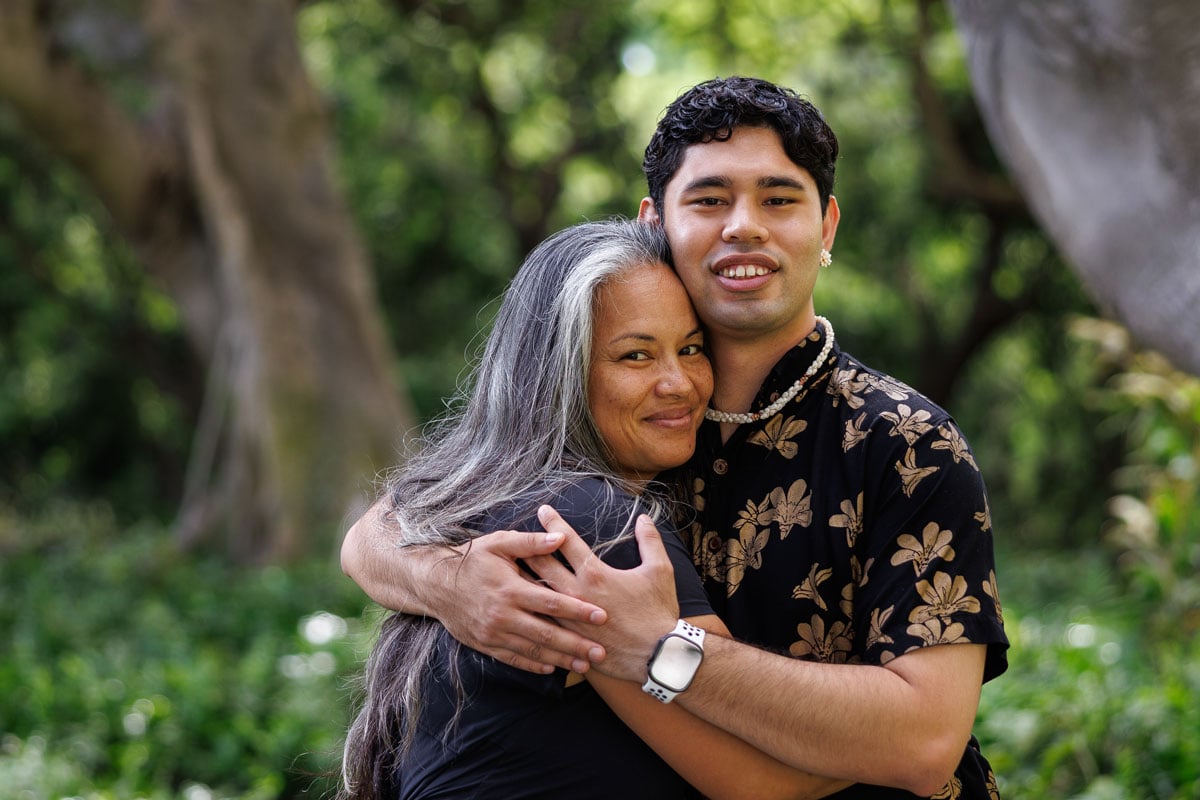
Kaaumoana-Cummings, a rising senior majoring in ‘Ōlelo Hawai‘i, says he is learning that “language is not separate from culture; it is how culture lives, breathes and is passed forward.” He hopes to strengthen access to language, culture and education for those of varying abilities. “The long-term vision is to support language learning that is inclusive, culturally grounded and future focused, so that ‘Ōlelo Hawai‘i and ‘Ōlelo Hawai‘i Kuhi Lima can grow as tools that help expand access, deepen understanding and strengthen connection to identity for the next generation.”
Katrina Valcourt is the executive editor of HONOLULU Magazine.