The Quest for Longevity
Today’s health and wellness zeitgeist is about adding life to your years.
F
From doctors to scientists to wellness influencers, everyone’s talking about longevity. Instead of just focusing on long life, it’s about maintaining wellness and living fully for more of your time on this planet, whether you’re in your 20s or 80s.
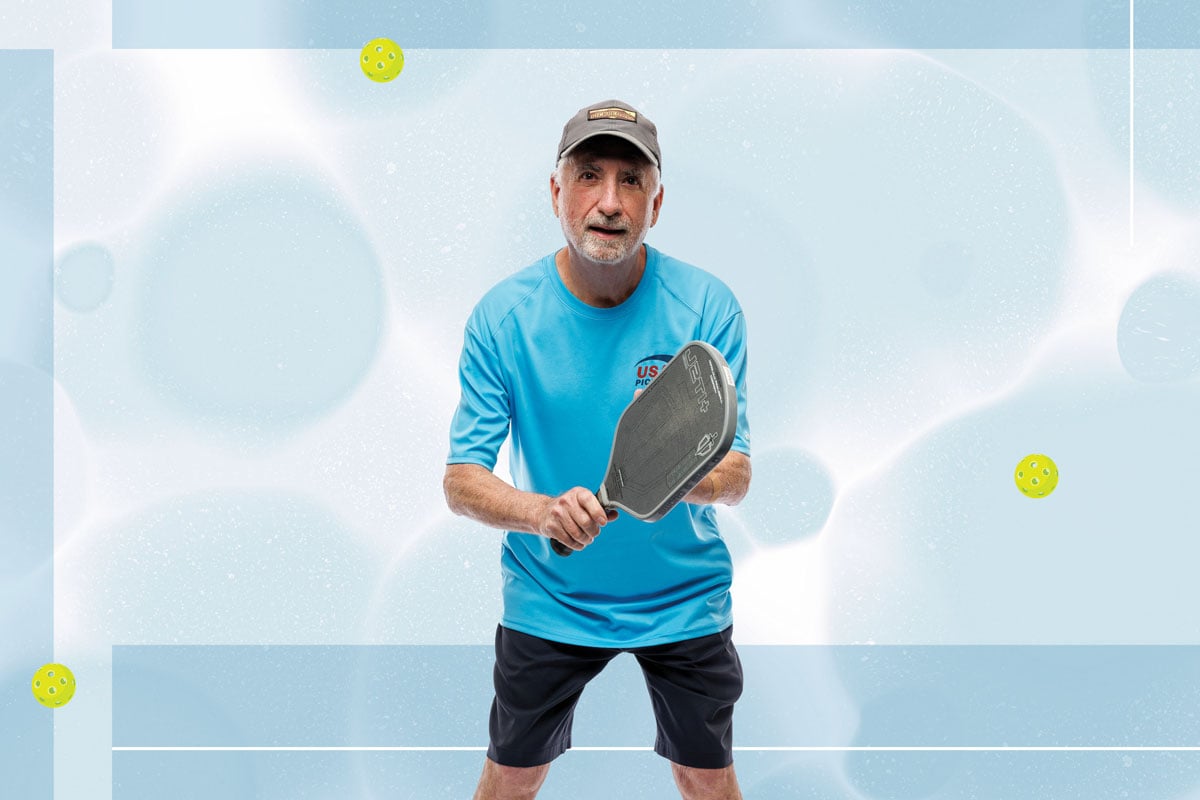
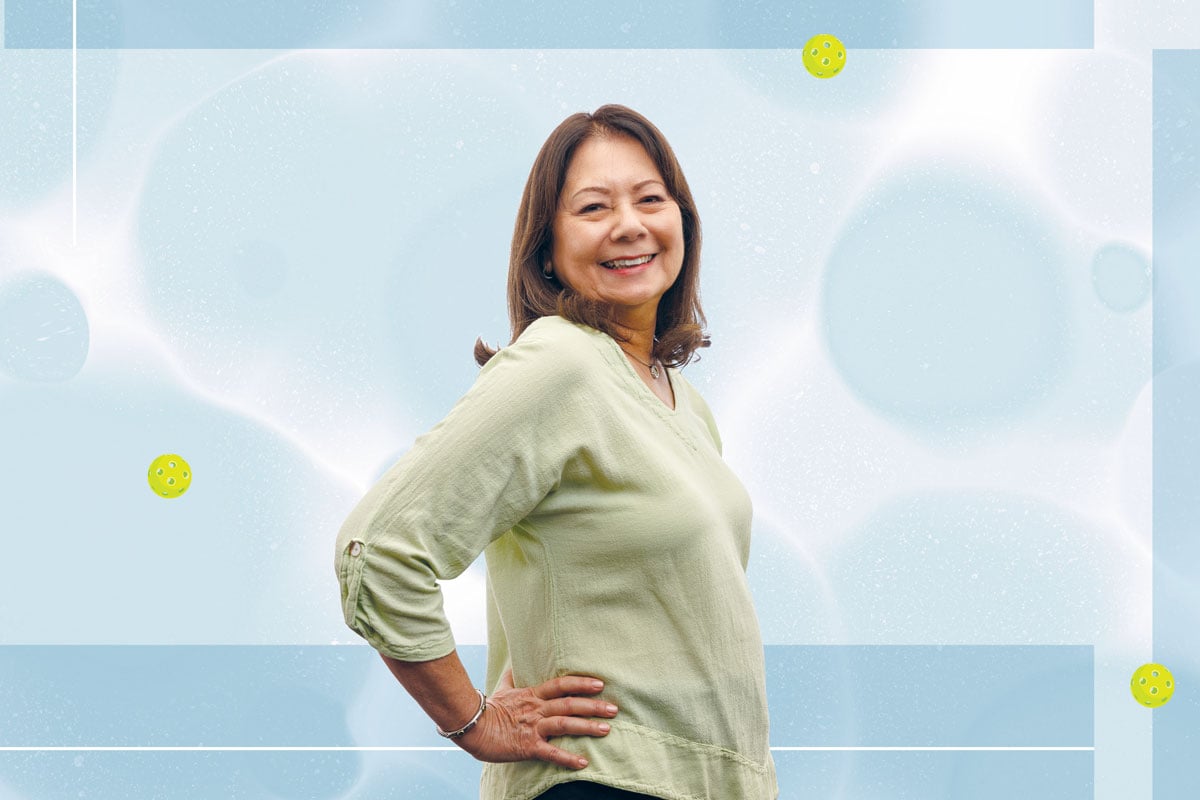
That’s exactly Frank Appel’s aim. At 79, the Kailua resident lives the active lifestyle of someone 20 years younger, but things could have turned out differently. After his wife died 14 years ago, Appel got used to spending time alone. Things got even quieter after he retired from a long career in health care in 2014. Feeling himself sliding into a life of solitude, he decided to turn things around. He started volunteering, pulling invasive weeds from Kawainui and Hāmākua marshes and teaching Medicare and Social Security classes for AARP, giving him a sense of purpose that experts say is critical to longevity.
He also picked up pickleball, which keeps him active and socially connected, two more contributors to longevity and a better quality of life. He now plays three or four times a week, teaches others how to compete and advocates for more pickleball courts at public parks. “I could, in another life, be a hermit,” he says. “But that image of retired people sitting around watching TV all day is exactly the wrong thing. You need to get up. You need to find things to make you active. You need to find passions.”
He’s right. A common belief is that people who age well can thank their genes. But years of longevity research, including hallmark studies conducted in the Islands, show that key lifestyle factors play outsized roles. In fact, only about one-third of a person’s longevity may be due to genes. The rest is in our hands: what we eat, how much we move, whether we smoke or drink, the preventive health care we receive, what purpose we derive from our lives and the strength of the support networks and social connections that frame our days. It’s a message doctors and advocates hope to spread more widely throughout Hawai‘i to people of all ages.
By 2035, a quarter of Island residents will be 65 or older. “The most important thing we can do is educate ourselves,” says Keali‘i Lopez, AARP Hawai‘i state director. “The truth of the matter is that we’re likely to live a lot longer than we thought we would. People are reaching the age of 100 or more. How do you take care of yourself, even at a young age, so you’re able to live a long, fulfilling life?”
Hawai‘i has had the longest life expectancy in the nation for more than three decades. The latest figures from the Centers for Disease Control and Prevention put the life expectancy in the Islands at 80.7 years (77.6 years for men and 83.8 for women). Chinese people make up the longest-lived ethnic group in the Islands, with a life expectancy of 88.2 years. That’s a full decade longer than the average lifespan nationally. The news isn’t nearly as good for some other ethnic groups in Hawai‘i: UH researchers found that Native Hawaiians and Pacific Islanders live only 77.4 years and 69.6 years on average, respectively, due to a lack of access to healthy foods and health care, among other factors.
SEE ALSO: How Healthy Are We, Really?
Older Adults Have Specialized Needs
Dr. Kamal Masaki, chair of the Department of Geriatric Medicine at the John A. Burns School of Medicine, says older adults need specialized health care and attention, things they might not always get when they see their primary care doctors. It’s why JABSOM integrates geriatrics into its medical training programs, one of only six medical schools nationwide to do so. “We want to teach them the basic principles,” she says, “and make sure we’re listening to the patient.”
As interest has surged in the number of healthy years a person lives, there’s been dramatic growth in the anti-aging market (from supplements to diet programs), which is expected to nearly triple in size by 2035 to a $367 billion-a-year industry, according to projections.
At the same time, researchers are advancing new frontiers in science, focusing on stem cell therapeutics and the impacts of inflammation. They’re also looking more closely at a person’s “organ age,” based on the concept that your organs may be biologically older than you are. The science is exciting, but experts agree there’s no replacement for good habits.
Okinawan Lifestyle: A Model?
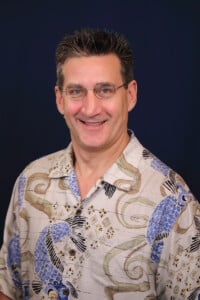
Dr. Bradley Willcox, director of the Kuakini Center of Biomedical and Translational Research on Aging and principal investigator of the Hawai‘i Lifespan Study, says the longest-lived populations in the world can give the rest of us insight into how to maintain health. He regularly points to older Okinawans as an example and has written extensively about their lifestyle. (He even follows the Okinawan diet.)
Okinawa has one of the highest concentrations of centenarians anywhere in the world and for decades enjoyed the world’s highest life expectancy (84 years for men, 90 for women in 1980). In recent years, however, the life expectancy in Okinawa has declined and scientists primarily blame dietary changes, with residents eating more processed foods and meat. More recent figures put the life expectancy in Okinawa at about 80 years for men and 87 for women (still high compared to the rest of the world, but no longer the highest).
What was it about the traditional Okinawan lifestyle that prolonged life? “It’s a four-legged chair: a healthy diet, physical activity, and they’re a very positive people with close-knit communities,” Willcox says. The fourth leg: Access to good health care.
Research shows the Okinawan diet was particularly important: rich in fruits and vegetables, with purple sweet potatoes and a little rice for carbohydrates, and fish and soybeans for protein. While the diet is a hearty one, Willcox says, Okinawans consumed about 15% to 20% fewer calories than other Japanese and lived about 15% to 20% longer. Caloric restriction has been shown to be an evidence-based predictor of longevity.
Willcox and other longevity researchers are also peering into Hawai‘i’s population for clues about longevity, including studying the small but growing number of people who sailed past their 80s and 90s to hit triple digits.
“When you get to our age, that’s what you talk about, your health.”
Anne Nohara Abaya
Exercise, Nutrition and a Healthy Brain
The Kuakini Hawai‘i Centenarian Study, with results published last year, looked at 3,734 men in the Islands to determine who was surviving past their 80s and why. Lead author Peter Martin, a professor of lifespan development at Iowa State University, says when it comes to health and lifestyle factors, among the biggest survivability predictors are staying active and eating a moderate diet.
Those who aged well also tended to steer clear of smoking and alcohol, had no depressive symptoms, and they maintained their health and good cognitive function. Martin says that studying centenarians is as much about figuring out how to live longer as it is how to live better, even at younger ages. “Life expectancy has increased substantially over the last century so more people will join the ranks of centenarians,” he says. “We need to prepare ourselves for longer lives … [and] an increase in quality of life.”
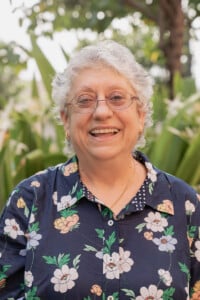
That’s one of the reasons Anne Nohara Abaya, 73, started attending JABSOM’s Mini-Medical School on Healthy Aging, a program designed to prepare participants “for the second half of their lives” through lectures covering everything from brain aging and cognition to heart disease. Many attendees return year after year. Abaya says she’s been a participant since 2019.
“There’s so much to learn about getting old,” says Abaya, a Honolulu resident and former human resources executive for General Electric Co. She retired in 2009. The JABSOM lectures, she says, make her think about her own parents and whether they might have lived more healthfully if they had known about some of the things she’s learning, like the importance of strength training as you age and why prescription dosages should be regularly evaluated. Her father lived to 85, her mother to 93.
After a day in class, Abaya jokes, she zips home to give the “data dump” to her husband Allen, 79. Her friends get an earful, too. “I have friends scattered all over and when you get to our age, that’s what you talk about, your health,” she says. “The mini-medical school has made me so much more aware of geriatric care.”
SEE ALSO: What Should We Do About Our Parents?
What About Genetics?
While lifestyle factors still have the greatest impact on longevity, Martin and his team found two commonalities among centenarians that are outside of our control. The first is how long our fathers live—a predictor also found in other studies. The second is called the FOXO3 gene. People who live the longest are more likely to have the “protective version” of the gene, whose properties have also been extensively studied.
In fact, Willcox was a leader on the team that discovered the longevity effect of FOXO3, associated with a markedly higher probability of a person becoming a centenarian. Willcox says about a third of us have the longevity version, but it hardly guarantees a long life. “It automatically gives you some help,” he says, essentially by improving how cells handle stress, but adds that poor lifestyle choices can negate its impact.
At the same time, he notes, the rest of us can “do things that ‘turn on’ the regular version, like eating fewer calories, exercising. In other words, if we don’t have a great set of genes, then we can be more motivated to do the things that do activate it.”
Another frontier in longevity studies focuses on organ health.
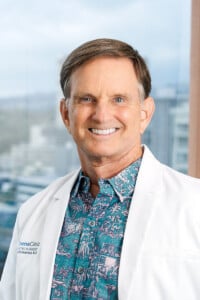
Dr. Robert Peterson, a Hawai‘i plastic surgeon and longevity-focused physician, has written several books about the science of aging. He says while we may have a chronological age, not all of our body’s systems age at the same rate.
“If you say 70 years old, for example, that can span a wide range of health statuses,” he says, “from a pretty active person to someone who is practically bed-ridden.” He says the biological aging of organs is a growing area of study for researchers, particularly around detecting problems earlier and fixing them.

The Kuakini Hawai‘i Centenarian Study found that the biggest survivability predictors include staying active, eating a moderate diet, and not smoking or drinking alcohol.
Preventing Health Problems
Last year, Peterson’s practice partnered with a group called Lokahi Longevity to launch a clinic focused on the kinds of preventive services aimed at catching concerns before they become major medical conditions.
He’s also a case study for the importance of preventive care.
Five years ago, Peterson underwent a heart stress test because he wanted to up his exercise regimen. He had no cardiac risk factors, normal blood pressure, and worked out just about every day. Instead of getting cleared for more exercise, Peterson got a stunning diagnosis: He had ischemic heart disease and needed a triple heart bypass. “It was a reminder for me that exercise does not protect you from a heart attack, which is absolutely the opposite of what I had lived my life believing,” he says, adding preventive screening is one thing we can all do to live longer, healthier lives.
Appel of Kailua says his time in health care underscored that message for him. He sees his primary care physician yearly, isn’t on any daily medications, and keeps current on age-related problems that crop up, like cataracts that made driving at night more difficult. He got cataract surgery and is back behind the wheel.
The father of two adult children, both of whom live on the mainland, has also expanded his social connections beyond pickleball friends. He jumped onto a dating app for senior singles and has been in his current relationship for about six months. He also makes time for things he loves, like travel. He’s gone as far afield as the Antarctic, taking Zodiac boats to remote islands to see penguins up close. This year, he’s taking his son to Alaska. His outlook on aging: “Do the things you enjoy.”
Appel has outlived both his parents (his mother died at 71, his father at 77). He’s also seen siblings struggle with chronic conditions, and a sister died of a stroke at 80. He knows how important every day is and sees pickleball as the “centerpiece” of his healthful lifestyle. “It really does keep you active, socially, too,” he says.
His partner didn’t play pickleball when he met her. She does now.